How Medical Practices Can Cut No-Shows with Automated Email Reminders
By SendBridge Team · Published Oct 12, 2026 · 8 min read · General
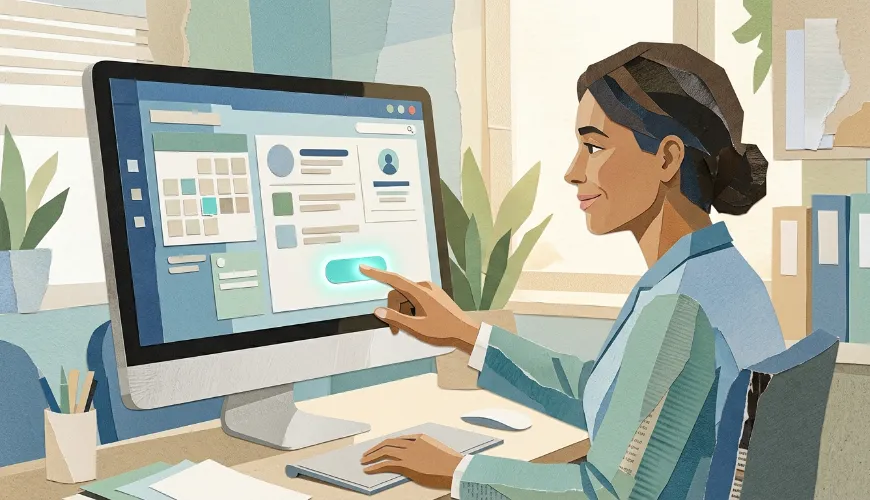
It's 2:40 on a Tuesday. The exam room sits ready, the provider has the chart open, and the patient never arrives. Nobody called, and nobody can fill the slot this late. Most practices respond by sending more reminders, but volume rarely solves it. What actually cuts no-shows is a reminder that lands at the right moment and lets the patient confirm, cancel, or rebook in one click.
TL;DR: Automated email reminders reduce no-shows when they do three things: arrive about a day before the visit, give the patient a one-click way to confirm, cancel, or reschedule, and run straight from your EHR so the schedule updates itself. Pair them with an active waitlist, and every cancellation becomes a filled slot instead of an empty chair.
What Patient No-Shows Actually Cost Your Practice
A missed appointment drains three budgets at once: revenue, staff time, and marketing spend. Revenue is the obvious hit. A study of outpatient clinics published in BMC Health Services Research estimated that each missed patient cost about $196, and that figure comes from 2008, before more than a decade of rising care costs.
Marketing loss gets far less attention. Plenty of new patients find a practice through paid search, and if you run Google Ads for doctors, you paid for the click that produced that booking. When the patient skips the visit, the acquisition cost vanishes along with the appointment fee. You bought the lead, converted it, and still lost it at the final step.
Clinical consequences round out the picture. Another patient could have used that time, and a skipped follow-up visit can delay a diagnosis or stall a treatment plan. Fixing the problem starts with understanding why patients miss in the first place.

Why Most Reminder Systems Fail
Forgetfulness tops the list of reasons patients give for missing visits, which makes reminders sound like an easy win. They often aren't. In that same BMC study, a centralized phone reminder barely moved the clinics' no-show rate.
Here's the catch: a reminder that only reminds leaves the patient with no easy next step. If Thursday no longer works, the patient has to call during office hours, wait on hold, and explain. Many simply stay home instead.
Email changes that equation. It gives the patient a written record of the time, address, and prep instructions, and it can carry buttons to confirm, cancel, or reschedule. A 2026 before-and-after study in Actas Urológicas Españolas tested exactly this setup in a Buenos Aires urology department, and email reminders with an easy cancel link cut the odds of a missed visit by roughly a quarter.
Look closely at what that cancel link does. It turns a silent no-show into an early cancellation, and an early cancellation gives your team time to offer the slot to someone else.
Build the Reminder Engine Inside Your EHR
Picture a patient who reschedules by phone on Monday and still gets an email on Wednesday for the old time. Standalone reminder tools cause exactly this, because they keep a second schedule that drifts away from the real one. One confusing message like that, and patients stop trusting the next one.
The cleaner approach runs reminders from the system that already holds the schedule. An EHR automation platform can send a confirmation the moment staff books a visit, fire the main reminder on a set timeline, and write the patient's response back into the appointment record. When a patient cancels through the email, the slot opens on the calendar without anyone at the desk touching it.
Before you switch anything on, put a few foundations in place:
-
Record each patient's consent to email contact and their preferred channel.
-
Match reminder templates to appointment types, since a new patient intake needs different instructions than a quick recheck.
-
Confirm the vendor signs a business associate agreement (BAA) and sends messages securely.
-
Assign one person to watch cancellations and work the waitlist.
Once the engine runs off your live schedule, timing becomes the next lever to pull.
When Should Automated Appointment Reminders Go Out?
Timing matters more than volume. A large 2026 target trial emulation within Buenos Aires's public health system compared WhatsApp reminder schedules and found that a single message about 24 hours ahead prevented no shows as well as a two-message sequence. That same single reminder outperformed one sent 72 hours out on its own. The earlier message added nothing for attendance, though it did prompt more patients to cancel in advance.
The channel in that study differs from email, but the lesson carries over cleanly. Build your sequence around the day before the visit:
When
Purpose
At booking
Confirmation
Locks in the details and adds a calendar file
3 days before
Early heads up (optional)
Surfaces cancellations while you can still backfill
About 24 hours before
Main reminder
Prompts the patient to confirm, cancel, or reschedule
Morning of the visit
Short note (optional)
Covers parking, arrival time, or the telehealth link
Use the early email only if you keep an active waitlist. Without one, it mostly generates cancellations you can't refill, so let the 24-hour reminder carry the load.
What to Put in a Reminder Email Patients Act On
Ever opened an email and hunted for the one detail you needed? Patients feel the same frustration with cluttered reminders. Keep the message short and put the action near the top.
A strong reminder includes:
-
The patient's first name and the provider's name
-
Date, time, and location, with a map link or the telehealth link
-
Clear buttons to confirm, cancel, or reschedule
-
Prep instructions for that visit type, such as fasting, forms to complete, or an insurance card to bring
-
A direct phone number staffed during business hours
-
A reply address that someone on your team actually reads
Leave out anything that reveals a diagnosis or the reason for the visit, especially in the subject line. A subject like "Your appointment with Dr. Patel on Thursday" does the job without exposing protected health information.
Common Mistakes That Keep No-Show Rates High
Automation alone doesn't guarantee results. These errors turn up in practices of every size:
-
No cancel option. When canceling takes effort, patients skip silently.
-
Sending from an unmonitored address. Patients reply with questions, and nobody answers.
-
One template for every visit. A surgical consult and a lab draw need different instructions.
-
Letting cancellations sit. A freed slot only pays off when someone fills it from the waitlist.
-
Skipping the data. Without a monthly no-show report by provider and appointment type, you can't tell what's working.
-
Ignoring repeat patterns. A patient who misses twice needs a personal call, not a third automated email.
Each of these has a simple fix, and most take less than an afternoon to set up.
Where to Start with Automated Email Reminders This Quarter
The real goal isn't sending more messages. It's a schedule that tells you the truth early enough to act on it. When patients can cancel with one click a day ahead, your team trades surprise gaps for open slots it can fill.
Start small and measure. Pull your no-show rate for the last 90 days, broken out by provider and visit type. Then turn on a single EHR-driven reminder about 24 hours before each visit, with confirm, cancel, and reschedule buttons, and connect cancellations to a waitlist. Check the numbers again after 60 days and adjust timing or templates where the data points.
Every kept appointment protects the revenue, the provider's time, and the ad spend that filled the slot. If your current system can't trigger reminders off the live schedule, fix that first, because everything else in this playbook depends on it.
FAQs
How far in advance should a practice send appointment reminder emails?
Send the main reminder about 24 hours before the visit. Research on digital reminders shows a single message the day before performs as well as multiple reminders for attendance. Add an earlier email three days out only if you have a waitlist ready to fill cancellations.
Are automated email reminders HIPAA compliant?
They can be. Use a vendor that signs a business associate agreement, document patient consent for email contact, and keep diagnoses and visit reasons out of the subject line and message body. Date, time, location, and provider name are generally appropriate for a reminder.
Do email reminders work better than text message reminders?
Neither channel wins for every patient. Text works well for quick confirmations, while email handles longer prep instructions, intake forms, and maps more cleanly. The strongest approach lets each patient choose a preferred channel and sends the reminder there.
What should a practice do about patients who repeatedly miss appointments?
Flag patients after a second missed visit and have staff call them personally. The conversation often uncovers a fixable barrier such as transportation, work hours, or confusion about the visit's purpose. Some practices also offer these patients same-week slots, since shorter booking lead times tend to reduce missed visits.