Monitoring Valuable Corporate Equipment Across Large Outdoor Areas
By SendBridge Team · Published Feb 21, 2026 · 8 min read · Technology
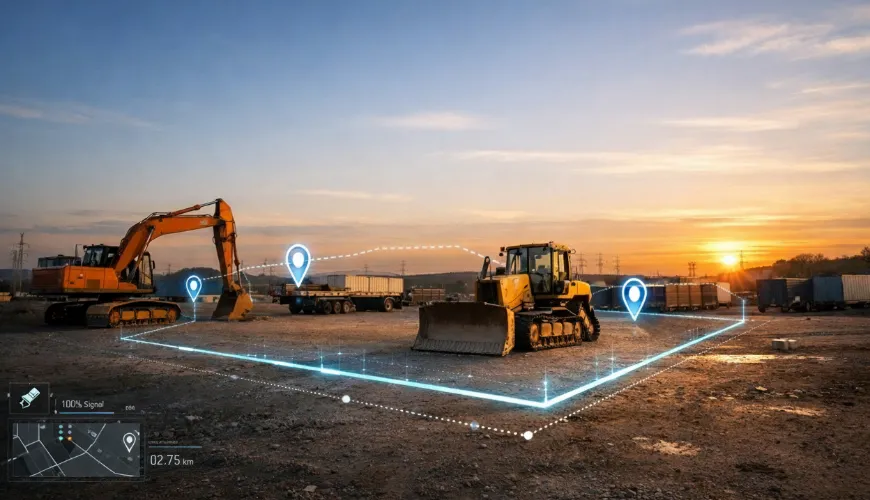
Managing valuable equipment across a massive outdoor site presents unique hurdles for any business. Large areas like construction zones or shipping ports make it hard to keep an eye on every piece of gear.
When a single generator or trailer goes missing, the delay can cost thousands of dollars in lost time.
Theft is another risk that keeps project managers up at night when items are left in open fields. Modern technology now offers ways to keep track of these items without needing a person on site at all times.
The Reality Of Managing Assets In Open Spaces
Big yards and open fields create blind spots for traditional security teams. A site supervisor might spend an hour just walking from one end of a lot to the other to find a specific truck.
This manual search process is slow and often leads to mistakes in inventory logs. If the logs are wrong, the whole project schedule can fall apart quickly.
Losing track of equipment leads to more than just frustration. It causes a ripple effect where workers stand around waiting for the tools they need to finish a job.
Companies often buy extra gear just to make sure someone always has a backup available nearby. This extra spending eats into the profit margins of the business over time.
Reducing Wasteful Idle Time For Heavy Machinery
Keeping an engine running when a machine is not in use wastes a lot of expensive fuel. You can use Pozyx GPS Asset Tracking or a different system to keep your fleet in check at all times. This visibility keeps the project moving without delays caused by lost tools or wasted fuel.
Findings from GPX indicate that heavy equipment stays idle for about 30% of its total operating hours on average.
Seeing this data in a report helps managers decide if they have too many machines on a single site. They can move a bulldozer to a different location where it will actually be used instead of just sitting there.
Why GPS Technology Is Leading The Market
Satellite tracking has become the standard for companies with assets spread across the globe. Recent data from Fortune Business Insights suggests that North America held over 36% of the global market for these devices in 2025.
Satellites provide a clear view of where an item sits, even if it is miles away from the main office. They can see which machines are moving and which ones have stayed parked for too long.
This level of visibility supports faster decision-making across operations. Managers can optimize routes and reduce unnecessary fuel consumption.
Alerts can notify teams if equipment leaves a designated area unexpectedly. Historical movement data helps identify usage patterns and inefficiencies. GPS tracking strengthens control, accountability, and asset performance.
Projecting The Growth Of Asset Intelligence
The demand for better tracking is not slowing down anytime soon. A study by Roots Analysis highlights that the global market for these tracking tools is set to grow from $4.17 billion in 2026 to over $12.28 billion by 2035.
Companies are realizing that the cost of the technology is much lower than the cost of losing a single heavy machine.
Investing in these systems early allows a company to scale its operations without losing control. As a business grows and takes on more projects, the number of assets it owns will naturally increase. Having a system in place to handle that growth is a smart move for long-term stability.
Challenges With Traditional Radio Frequency Tags
Some companies try to use older methods like radio frequency identification for their outdoor yards. A guide from AlignOps mentions that metals and other large objects can block the signals from these tags.
If a tag cannot be read from a distance, it loses its value for large-scale monitoring. Workers would still need to get close to the item to scan it with a handheld device.
That defeats the purpose of having an automated system that provides real-time updates from across a vast area.
Weather conditions can interfere with signal reliability. Installing additional readers across a large yard increases costs quickly.
Limited range makes it harder to track moving assets in real time. Maintenance of multiple scanning points adds another operational burden. These drawbacks push companies to explore more advanced tracking solutions.

Maximizing Efficiency For Unpowered Equipment
Not every piece of equipment has its own engine or battery to provide power for a tracker. Items like trailers, storage containers, and small generators often sit for weeks without being touched.
According to a blog post by Trak-4, battery-powered trackers are the best choice for these types of unpowered assets.
These devices are built to last for years on a single charge. They only send updates at specific times to save energy and keep the unit running.
This selective reporting helps conserve battery life without sacrificing visibility. Many models include motion sensors to trigger alerts if the asset moves unexpectedly.
Compact designs make them easy to hide and protect from tampering. Reliable tracking reduces the risk of theft or misplaced equipment. These solutions provide dependable oversight for assets that would otherwise be difficult to monitor.
- Standalone trailers and flatbeds
- Portable light towers and site heaters
- Shipping containers used for storage
- Non-powered attachments like buckets or augers
The Role Of Software In Modern Monitoring
The hardware on the machine is only one part of the total solution. Research from Precedence Research shows that software makes up about 48% of the total market share for asset tracking.
A good dashboard turns raw location data into maps and charts that are easy for anyone to read.
Modern software can set up virtual fences around a specific work area. If a piece of equipment leaves that zone, the system sends an alert to the manager immediately.
- Real-time map views of every active asset
- Automated alerts for unauthorized movement
- History logs for every trip a vehicle takes
- Integration with existing inventory management tools
Global Connectivity And The Power Of IoT
The Internet of Things has changed how big companies look at their supply chains. An article by Here.com points out that one major firm now has 1 million containers that send location updates every 15 minutes.
If a shipment is running late, the company can provide an exact time of arrival based on the current location. It removes the guesswork that used to be a standard part of long-distance logistics.
Real-time tracking improves inventory planning at warehouses. Managers can reroute shipments quickly if disruptions occur.
Data collected from connected devices highlights recurring delays or bottlenecks. Customers benefit from more accurate updates and fewer surprises. IoT connectivity builds a more responsive and resilient supply chain.
Financial Benefits Of Complete Operational Visibility
Knowing where everything is can save a business a surprising amount of money on repairs. Insights from Geotab reveal that maintenance and repair costs can drop by 18% when a company has full visibility of its assets.
Preventing a breakdown is always cheaper than fixing a machine that has already failed. It keeps the work site safer for the people using the equipment every day.
A well-maintained fleet lasts longer and has a higher resale value when the company is ready to upgrade to newer models.
Visibility helps identify underused assets that can be reassigned. Real-time data supports smarter scheduling and fuel management. Clear records make warranty claims easier to process. Managers can forecast replacement timelines with greater accuracy.
Safety And Predictive Maintenance Strategies
Safety is always the top priority on a busy outdoor site with heavy traffic. A report by Kynection claims that using predictive maintenance can lower the number of breakdowns by as much as 70% in busy operations.
Fewer breakdowns mean fewer people are stuck in dangerous spots trying to fix machines in the field.
Tracking systems can monitor how a person drives a vehicle or operates a crane. If someone is being reckless, the manager can step in and provide more training before an accident occurs.
Clogged filters and low refrigerant levels are common triggers for this behavior. Thermostat placement can cause inaccurate temperature readings.
Addressing these root causes restores smoother, longer cycles. Balanced operation improves indoor comfort and air quality. Correcting short cycling protects both performance and long-term equipment value.
Emerging Tech Trends In Visual Rendering
New ways of seeing data are helping managers understand their sites better than ever. A tech trend update from Vidyatec mentions that Gaussian Splatting became a major step forward for rendering high-quality 3D scenes in 2025.
Seeing a 3D model of the terrain helps planners decide where to place heavy equipment for the best efficiency.
They can spot potential hazards or tight spots before the machines even arrive on the site. Combining these visual tools with GPS data creates a powerful system for managing complex outdoor projects.
Keeping track of expensive gear in large open spaces is much easier with the right digital tools. Companies no longer have to guess where their trucks or tools are located at the end of the day.
Using satellites and smart software provides a level of control that was impossible just a few years ago.
These systems help reduce waste and keep workers safer as they finish their tasks. Smart managers use this data to make better choices and grow their business for the future.