How Strong Networks Enable Faster Digital Communication
By SendBridge Team · Published Apr 14, 2026 · 9 min read · Technology
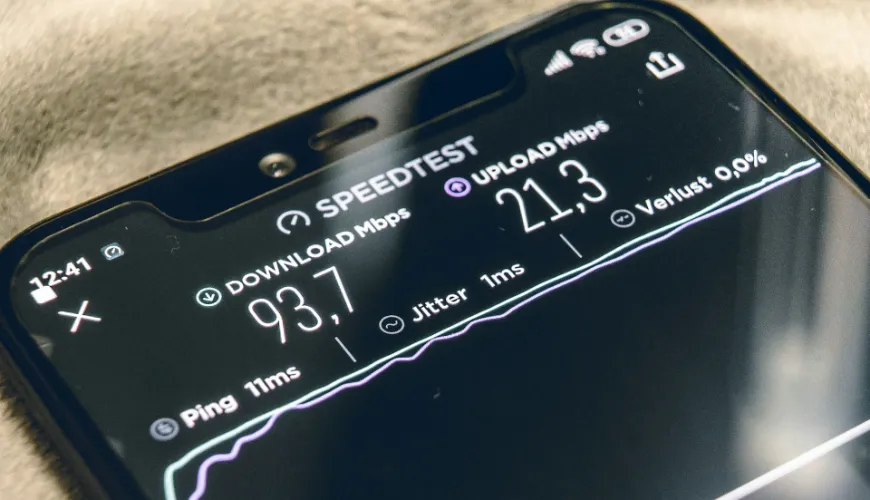
Modern life runs on clicks. Messages, payments, and video calls feel instant when the network is strong, and they stutter when it is not. Strong networks turn distance into a detail by moving data fast, steady, and in the right order, even when traffic spikes.
What We Mean By a Strong Network
A strong network is not just big pipes. It blends high capacity with low latency, low loss, and smart routing. It also survives failures without breaking user sessions.
You feel that strength in smooth video, snappy apps, and a clear voice. Under the hood, it is careful engineering across fiber paths, routing policy, security, and operations. The outcome is simple - fast feels fast.
Bandwidth, Throughput, and Latency - The Real Speed Trio
Bandwidth is the lane width. Throughput is how much traffic actually flows. Latency is the time a packet needs to make the trip. All three matter.
If latency is high, a web page can still feel slow even with lots of bandwidth. If loss creeps in, throughput collapses because protocols back off. Strong networks raise throughput and lower delay, so the user experience stays crisp.
A simple test you can try
Open a page, then run a ping from the same location. If the site feels slow but the ping time is low, you may have a throughput or loss issue. If ping times swing a lot, jitter is at play - and real-time apps will suffer first.
Why Backbone Architecture Sets The Pace
Speed starts with the backbone. Long-haul fiber, amplification, and optical gear set the ceiling for capacity and reach. Routing design sets how many hops a packet takes and how quickly the network heals. Big backbones knit continents together, but they also shorten paths between major clouds and carriers. Providers that run global cores can move your traffic onto short, direct routes fast. This is where operators like GTT run large IP networks that interconnect with major content and cloud platforms, helping your packets take fewer detours. The shorter the path and the steadier the core, the faster your apps feel.
From 400G to 800G - Capacity that Feels Like Speed
Optical capacity upgrades show up as better performance in the real world. When a backbone doubles port capacity, it delays congestion and keeps queues short in busy periods. That means lower latency and fewer drops during peaks.
A trade article at Lightwave Online reported that a recent global IP backbone upgrade enabled customers to boost port capacity from 400G to 800G, signaling room for growth without immediate contention. The headline number is capacity, but the win is felt as stable latency and reliable throughput when it matters most.
Routing, Peering, and Shorter Paths
Routing is how networks pick a path. Good policy favors low-latency paths that are also stable. Strong networks maintain rich peering at major exchanges and direct links into clouds to cut distance.
Shorter paths reduce round-trip times for chat, video, and API calls. The benefit stacks with capacity upgrades. With fewer hops and wide lanes, congestion and jitter both fall, and retransmits drop.
Reliability and Jitter - Hidden Enemies of Fast Feels
A network can be quick on a good day and still feel slow if it lacks steady timing. Jitter - uneven delay - breaks real-time traffic like voice and gaming. Packet loss triggers resends and rate drops.
Here is a short checklist that helps teams steady the flow:
- Track latency percentiles, not just averages.
- Watch jitter and packet loss on each hop, not only the end-to-end view.
- Prefer diverse paths with fast failover to keep timing tight.
- Shape or queue real-time traffic so bursts do not crush voice and video.

Edge, Caching, and Proximity - Bringing Content Closer
Distance adds delay. Edge caches and regional points of presence hide that distance by serving content from nearby sites. The result is fewer long-haul trips per click.
For dynamic apps, placing API gateways and data replicas closer to users cuts tail latency. Even small saves of 10 to 20 ms add up across a page load with many assets and calls. Proximity is a simple lever that multiplies the value of a strong core.
When edge matters most
Edge wins when the same assets are fetched often, or when microservices need a quick round-trip. Media, gaming patches, and analytics pixels all fit this model. If your users are spread across regions, edge coverage turns into a direct speed boost.
Security without Slowdowns
Inspection and encryption once meant slow. That is no longer the rule. Modern inline security scales with hardware assist and smart flow handling.
The trick is to inspect once and forward fast. Keep stateful firewalls close to the edge, and let the backbone move clean traffic at line rate. With sane policies and placement, you get safety and speed at the same time.
Visibility and Operations - Fixing Problems before Users Notice
Even the best design needs eyes on it. Strong networks stream telemetry from routers, middleboxes, and apps. They look for early signs of queue growth and path flaps.
This is a playbook that keeps teams ahead of trouble:
- Alert on rising latency percentiles and growing retransmits.
- Trace flows through the backbone to spot hot links early.
- Correlate app errors with network events to cut mean time to repair.
- Run game day drills for failovers so routing shifts are boring, not scary.
Energy Matters - Efficiency as a Speed Enabler
Power and cooling shape what you can deploy, where you can deploy it, and how often you can refresh gear. Efficient optics and routers unlock density in racks and sites that would otherwise cap out. That makes it easier to place capacity where the traffic really is.
Optical Connections News noted that a recent IP backbone upgrade delivered a smarter, faster, and more secure network while cutting energy per transported bit by roughly 70 percent. Energy efficiency is not just a green line on a slide - it is how operators fit more performance into the same footprint, which translates into more headroom and steadier latency for customers.
Application Design Still Matters
A strong network sets the stage, but your app writes the script. If the app is chatty, heavy, or fragile, users still feel lag. Good design makes every packet count, so the network boost turns into real speed.
Trim the round-trip
Every request has a cost. Cut extra handshakes by reusing connections and avoiding needless redirects. Where you can, bundle small calls or switch to a single stream that carries updates over time.
HTTP/3 helps because it rides on QUIC and avoids head-of-line blocking seen with older stacks. Use connection hints like preconnect for the hosts you know you will hit. Keep DNS fresh so lookups do not steal the first seconds of a session.
Make each byte count
Small files travel faster and queue less. Compress text with modern methods and minify scripts and styles. Size images to the screen, not the desktop, and prefer efficient formats like AVIF or WebP.
Cache what does not change often. Strong cache headers and stable ETags stop repeat downloads and protect the tail when links get busy. For data that must be updated, consider sending deltas instead of full objects.
Choose the right patterns and protocols
Pick patterns that match the job. For real-time notes or presence, streams and events beat constant polling. For bulk moves, batch work and send it off the main path so the interface stays snappy.
Match the protocol to user needs. HTTP/3 is a safe default for most apps because it handles loss better. For voice and video, use protocols that keep media flowing smoothly and accept a tiny loss rather than freezing the screen.
Prioritize the critical path
Users judge speed by how fast they can act. Load only what is needed to show the first view and respond to the first tap. Lazy load the rest once the core is visible.
Inline just enough critical CSS to paint the page, then fetch full styles in the background. Defer non-essential scripts so they do not block input. Give the browser clear priorities so it grabs the right bytes first.
How To Plan Your Next Network Step
Start with data. Map where your users are, where your services live, and which paths they take today. Find the slowest 5 percent of flows and ask why they are slow.
Then pick levers. It could be a transit change, a new peering point, an edge cache, or a backbone port upgrade. Make one change, measure, and then make the next. Strong networks are built in clear steps that keep experience front and center.
A trade publication at Lightwave Online highlighted how backbone capacity upgrades open room for customers to grow without performance pain, moving from 400G toward 800G. Use that idea as a model at your own scale. Plan capacity ahead of demand, shorten paths, and keep jitter in check. Your users will feel the difference.
Strong networks do more than push packets. They shrink distance, smooth out the busy hours, and keep conversations clear when it matters most. When capacity is ready ahead of demand, and paths stay short and stable, apps feel quick, voice stays clean, and people trust the tools in front of them. Keep tuning the core, bringing edges closer, and watching the signals - latency, loss, and jitter - so every click turns into a quick, reliable moment that helps teams work, customers connect, and ideas move at the speed they deserve.