The Role of Digital Tools in Modern Laboratories and Workplaces
By SendBridge Team · Published Oct 16, 2026 · 9 min read · Technology
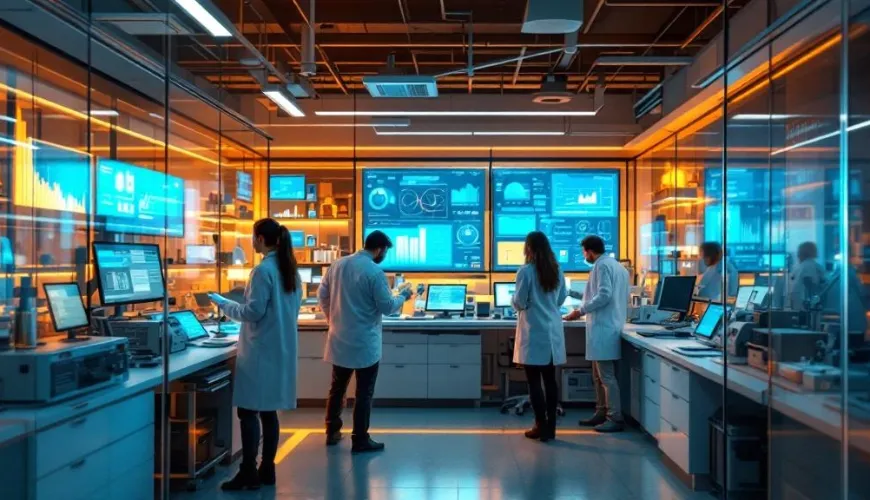
The last two decades have seen workplaces and laboratories undergo major changes because of digital technology. The industry is moving away from traditional methods which depended on paper documents and manual processes and separate computer systems to adopt complete digital solutions. The tools provide two benefits because they boost efficiency and help organizations to handle data better while they optimize their work processes and improve team communication.
The scientific community depends on electronic lab notebooks and LIMS software as critical tools for conducting research and handling laboratory operations. The daily output of laboratories includes substantial amounts of experimental data which becomes unmanageable when researchers depend on paper notebooks and separate spreadsheets. Digital systems enable researchers to document their experiments while monitoring samples and conducting result analysis within one system that boosts their work efficiency and result precision.
Businesses and organizations that operate beyond laboratory environments are implementing digital technologies to enhance their communication systems and information management capabilities. Digital signage software serves as one of the most significant examples because it allows organizations to show real-time information through screens which they install at various locations including offices, research facilities, and hospitals, as well as industrial sites. The systems enable users to share updates through the systems, while they display data dashboards, and communicate safety instructions, as well as show important announcements in real time.
The digital signage market includes products from Novisign which demonstrate that modern display management systems can operate through flexible and scalable tools. Although digital signage is often associated with marketing displays or retail environments its applications extend much further. Digital signage in laboratories and research facilities enables users to display workflow updates, laboratory schedules, compliance reminders, and real-time research metrics.
The combination of laboratory management technologies like electronic lab notebooks LIMS software and workplace communication platforms which include digital signage software creates an advanced digital ecosystem for laboratories. The organization uses these tools to achieve better operational results while enabling teams to work together with greater visibility throughout their work process.
The operation of these technologies with their interrelated functions provides organizations with essential knowledge which will determine their workplace and research facility development in the present time.
Electronic Lab Notebooks and the Evolution of Research Documentation
Researchers in laboratories used handwritten notebooks as their primary method of recording experimental work and scientific findings for many years. Scientists needed these notebooks to record their work but the notebooks had several problems that restricted their use. The process of finding previous research experiments needed a lot of time because researchers faced challenges in working together and they might lose important documents or see them become unusable.
The electronic lab notebook (ELN) system transformed research documentation methods scientists used to create and handle their scientific work. Researchers can now use a digital system that provides standardized structured recording methods to capture their laboratory testing activities instead of using manual note-taking. Scientists use these platforms to record their experimental methods while they can upload their datasets and share images and create connections between different experiments.
The primary benefit of electronic lab notebooks enables researchers to conduct efficient searches through their research data. Researchers can find their experiments without delay by using a search function that works with multiple search terms including keywords and sample identifiers and experiment titles. The system provides time savings while it maintains access to essential knowledge from earlier research work.
The use of electronic lab notebooks establishes better research team collaboration among scientists who conduct their work through institutional research centers. Scientists in large academic institutions and organizations conduct research activities that require them to interact with scientists from various departments and
research facilities. The digital notebook system permits team members to access shared experimental data while they monitor project outcomes and provide feedback during their work. The research process advances quickly through this collaborative space because it stops unnecessary work from repeating itself.
The electronic laboratory notebooks provide laboratories with the ability to connect their research instruments and software systems. The modern scientific instruments will create digital data which, through ELN systems, can be imported directly into their systems. The process decreases manual data entry work and also decreases the chances of transcription mistakes which typically happen during manual result copying.
Security and compliance requirements serve as primary factors which scientists must consider when conducting their research. The electronic lab notebooks provide users with three essential functions which include audit trails and version control and user permissions. The tools maintain experimental records in their original form without any alterations, which becomes crucial for industries that operate under strict regulations like pharmaceuticals and biotechnology.
Through its digital documentation method electronic lab notebooks enable laboratories to handle their knowledge resources more effectively while they preserve complete data integrity.

LIMS Software and Laboratory Workflow Management
Laboratories use electronic lab notebooks to document their experiments while LIMS software provides important functions which serve different needs. A Laboratory Information Management System (LIMS) is designed to manage the operational side of laboratory work, including sample tracking, workflow automation, and data management.
Laboratories operate through daily sample processing which involves handling multiple samples. The facility needs to keep complete track of each sample from its first entry until the last results are delivered. High-volume laboratories like clinical testing facilities or environmental analysis centers face extreme difficulties when they try to handle this process through manual methods. LIMS software creates an easy solution that tracks samples from their original state to their final destination through its main system.
Laboratories that use LIMS receive samples which get assigned special codes that include barcodes. The testing process uses this identifier to monitor sample progress through its various testing phases. The system maintains a complete record of every person who handled the sample together with all tests conducted and the resulting outcomes. The organization needs this level of traceability to preserve its quality control system while complying with legal obligations.
The primary advantage of LIMS systems lies in their capability to automate workflows. Laboratories typically implement standardized procedures which require multiple steps and various equipment types. The LIMS software system can execute workflow automation through its capability to distribute tasks and manage testing schedules and direct sample movement throughout essential procedures. The system decreases laboratory staff administrative duties while maintaining uniformity in their testing operations.
LIMS systems create important advantages through their capacity to handle data management tasks. The centralized database system enables laboratories to store their data which simplifies result analysis and report generation. Laboratory managers can track performance metrics through their ability to observe testing turnaround times and instrument usage rates and quality control measurements.
LIMS software finds extensive application in industries which require accurate laboratory procedures because of its operational abilities. Pharmaceutical companies use LIMS to conduct drug development tests while environmental laboratories apply the system to test water or soil samples and clinical laboratories need it for their patient diagnostic data analysis.
LIMS systems enable laboratories to enhance their operational efficiency through organized workflow management and sample and data tracking which helps them achieve high accuracy standards while meeting all regulatory requirements.
Digital Signage Software in Modern Work Environments
Organizations are using digital signage software to enhance their communication systems and information distribution methods which extends beyond laboratory management systems. Digital signage uses network-connected screens to show changing content that includes announcements and dashboards and schedules and multimedia messages.
Digital signage systems allow instantaneous updates which exceed the capabilities of traditional printed notices and bulletin boards. Organizations can manage content remotely and distribute information across multiple screens in different locations. Workplaces that require immediate communication will benefit from digital signage because of its adaptable communication capabilities.
Digital signage provides multiple practical functions in research facilities and laboratories. Common areas use screens to show laboratory schedules and safety reminders and equipment availability information. Some organizations also use digital signage to present real-time data dashboards showing research progress or operational metrics.
The platform for digital signage software provides its administrators with the capability to create and schedule display content across multiple screens. The users can develop information playlists which will automatically receive updates through the system while connecting with outside data sources that include calendars and dashboards. The system guarantees that all relevant information remains accessible to workers because the system automatically generates updates without requiring manual work.
The implementation of Novisign demonstrates how digital signage systems enable organizations to control their visual content distribution while creating an effective visual information management system. The platforms in this category provide users with predefined templates which they can use together with cloud management solutions to control extensive display networks through body purpose-built interface systems.
Visual information presentation becomes essential when situations demand rapid message delivery. Digital signage systems in laboratories display safety procedure reminders together with upcoming experiment details and operational alerts. Digital displays present information in a clear and consistent manner which enables teams to remain informed during their workdays.
Digital signage systems have become essential to organizations which are implementing digital transformation because they work together with other digital solutions. Digital signage delivers vital information to relevant personnel who require it most while ELNs and LIMS systems operate as research and laboratory data management systems.
Moving Forward with Digital Transformation
Digital technology is transforming laboratory and organizational methods for handling information. The implementation of electronic lab notebooks and LIMS software and digital signage software enables organizations to replace their manual workflows with unified digital systems that enhance operational efficiency and communication.
Electronic lab notebooks establish a standardized system which scientists use to document their experiments and share research information and work together. LIMS software assists laboratories in managing their operations by monitoring samples and streamlining their processes and maintaining complete test data throughout their examination procedures. The modern laboratory data management system operates through these technologies which function as its core elements.
Workplace communication tools such as digital signage platforms which include Novisign solutions enable organizations to transmit information across teams and locations. Digital signage technology uses connected screens to display changing content which shows essential updates and schedules and safety information at all times.
The implementation of digital tools establishes a workplace environment which enhances connectivity and operational efficiency. Organizations need to establish smooth information exchange between systems and between employees in order to handle research data more efficiently.
The digital transformation process requires organizations to implement technologies which enhance their data management systems and communication networks. Digital platforms enable organizations to operate more efficiently while their employees work together to achieve business goals in both scientific research and healthcare and corporate settings.