6 Ways Monitoring Systems Strengthen Fleet Safety Performance
By SendBridge Team · Published Feb 05, 2026 · 9 min read · Technology
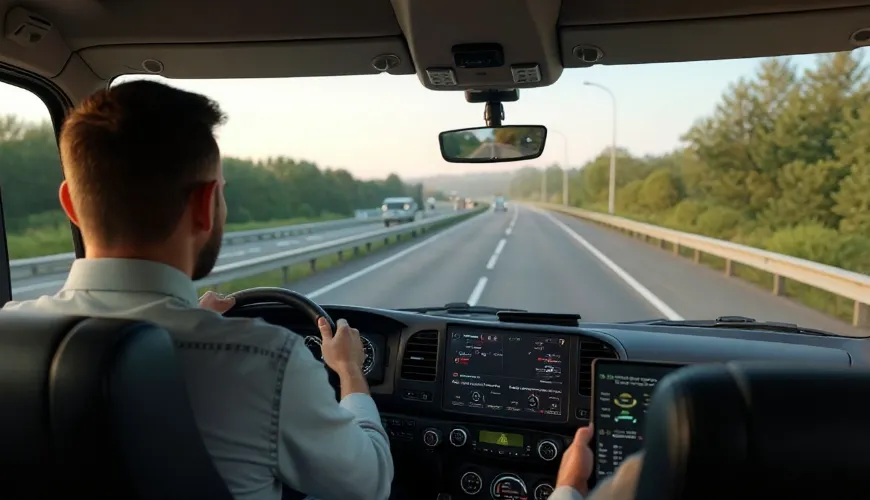
Modern fleets face real risks every mile. Crashes, close calls, and costly downtime can pile up fast. Monitoring systems help teams see what is happening, spot risk sooner, and act with confidence. The right setup turns raw data into safer habits and stronger results.
These tools capture driving behavior, vehicle health, and environmental conditions in real time. Managers can use alerts and reports to coach drivers before small issues turn into serious incidents.
Patterns emerge that guide training, routing, and maintenance decisions. This proactive approach reduces insurance costs and improves vehicle uptime. It creates a culture where safety is measured, discussed, and continuously improved.
Why Monitoring Matters For Fleet Safety
Safety is not only about rules on paper. It is about what happens in the cab, on the road, and in the back office. Monitoring links those worlds so managers can set clear standards and drivers can get fair feedback.
You do not need a huge tech stack to make progress - even simple steps make a difference. Many fleets start with video so they can review events, then add alerts and reports as they grow. An AI fleet dash cam becomes the hub for real-time insight, mid-trip coaching, and post-trip reviews. Many fleets also invest in supportive accessories such as radar detector cords from Cobra, which help keep radar detection systems powered and connected during long trips. The key is to build a process that your team will actually use.
Good monitoring builds trust. When drivers know the rules and see that reviews are consistent, they are more likely to speak up about hazards. The program shifts from catching mistakes to preventing them.
Monitoring provides objective context after incidents, reducing finger-pointing and confusion. Clear data helps distinguish unavoidable events from behaviors that need coaching.
This fairness improves buy-in and lowers resistance to safety programs. Insights from monitoring can inform policy updates and training refreshers. When safety efforts feel transparent and useful, adoption rises across the fleet.
Detect Risks In Real Time
Real-time detection gives a driver a second chance to avoid a problem. Audible or visual alerts cut through a busy cab and bring focus back to the road. Small nudges at the right moment can prevent a hard brake, a rolling stop, or a close follow.
Independent researchers at a major university tested in-cab alerting for several risky behaviors. They reported that the system reliably triggered audible warnings during distraction tasks and rolling stops, and it improved close-following detection on retest.
Their work shows how fast, clear alerts can support safer choices in the moment.
Not every alert needs to be reviewed by a manager. Many risky moments are brief and resolve on their own. What matters is that the driver has timely feedback and the team can track patterns over weeks, not just single trips.
These micro-corrections add up to fewer incidents and smoother driving habits. Fleets can tune alert sensitivity so warnings feel helpful rather than distracting.
Pairing real-time alerts with periodic summaries helps drivers reflect without feeling micromanaged. Managers then see trends like recurring distraction windows or high-risk routes. This balance keeps attention on prevention instead of punishment.
Drivers internalize safer habits, reducing reliance on constant alerts. Combining in-cab feedback with coaching sessions reinforces learning and builds confidence behind the wheel. Alert data can guide route planning, highlighting roads or conditions that consistently trigger risks.
When patterns are addressed proactively, fleets see fewer accidents and lower repair costs. Real-time detection becomes part of a culture where safety is continuous, visible, and shared.

Coach Drivers With Evidence
Video and event data make coaching fair and specific. Instead of guesswork, managers can sit with a driver and review the exact clip or metric behind a score. This keeps the conversation calm and action-focused.
A nonprofit road safety group compared crash trends over a decade and found a rise in large truck fatalities, even as more fleets adopt technology.
Their analysis highlights why coaching must target the behaviors that matter most, like distraction and speeding, not just miles driven. More data alone does not change outcomes - consistent coaching does.
Use short, regular coaching sessions to build skills:
- Pick 1 or 2 focus behaviors and track them for 30 days
- Watch clips together and agree on one habit to practice
- Set a simple goal for the next week and follow up on it
Drivers should see coaching as support, not punishment. Celebrating improvements, even small ones, helps habits stick. Evidence-based coaching strengthens trust between drivers and managers.
When feedback is tied to clear data, drivers understand why changes matter and feel treated fairly. Repeating positive reinforcement alongside corrections encourages long-term behavior change.
Small weekly improvements compound into safer driving patterns across the fleet. Structured, data-driven coaching turns technology from a monitoring tool into a performance-building partner.
Standardize Policies And Accountability
Monitoring works best when policies are simple and known. Define the behaviors you care about, how they are scored, and what happens next. Make the escalation path clear, from a coaching chat to a formal warning if needed.
Scorecards should be balanced. Include safe miles, smooth driving, and pre-trip checks, not only negative events. Transparent scoring prevents surprises and reduces conflict during reviews.
Create a feedback loop that includes drivers. Invite ideas on route risks, customer sites, and vehicle quirks. When drivers help shape the rules, they are more likely to follow them.
Consistent enforcement reinforces fairness and credibility across the fleet. Regularly reviewing and updating policies keeps them aligned with new technology and operational changes.
Recognizing positive behaviors alongside addressing risks motivates compliance without growing resentment.
Clear documentation guarantees everyone knows expectations and reduces ambiguity during incidents. When accountability is predictable and participatory, safety becomes a shared responsibility rather than top-down enforcement.
Integrating technology with policy makes compliance easier to track and measure. Automated scorecards and alerts can flag deviations and highlight positive performance in real time.
Sharing results openly with the team encourages friendly competition and collective improvement.
Training sessions tied to policy updates guarantee everyone understands both expectations and the reasons behind them. A standardized, transparent system turns rules into actionable guidance that supports safer, smarter fleet operations.
Optimize Maintenance And Vehicle Health
Safety links to maintenance more than many fleets realize. Monitoring systems spot patterns that hint at mechanical issues, like repeated hard brakes on the same unit or sudden spikes in coolant temperature.
Fixing small issues early avoids roadside events and keeps drivers confident in their equipment.
Pair vehicle data with driver behavior. For example, track harsh cornering alongside tire wear. If one unit shows rapid shoulder wear, coaching plus a quick alignment may solve both the safety risk and the cost problem.
Set simple thresholds to trigger work orders. You can start with a few rules, then refine them as you learn. This cuts downtime and keeps assets in a safer state for longer stretches.
Proactive maintenance extends vehicle lifespan and reduces unexpected repair costs. Scheduling service based on real data prevents over-maintenance and catching hidden issues early.
Sharing trends with drivers encourages them to report anomalies before they become serious. Integration between monitoring and maintenance teams streamlines workflows and guarantees nothing slips through the cracks.
When vehicles stay healthy, both safety and operational efficiency improve across the fleet. Linking maintenance insights to fleet-wide strategy amplifies results.
Data can highlight recurring issues across multiple units, guiding procurement or design decisions. Predictive analytics help plan parts inventory and technician schedules, minimizing downtime.
Clear communication between drivers, maintenance, and management guarantees small problems are addressed before they escalate. A proactive, data-driven approach turns maintenance from reactive firefighting into a structured safety and efficiency program.
Prove Compliance And Lower Claims
When something goes wrong, clear records protect people and the business. Time-stamped video, speed, and location data help explain what happened and why. Solid documentation keeps the focus on facts, not guesses.
A federal pocket guide to commercial motor vehicle safety tallied thousands of fatal crashes involving large trucks and buses in recent years.
That context shows how important accurate records are for regulators, insurers, and courts. Good evidence speeds up investigations, supports fair outcomes, and can reduce claim costs when your driver was not at fault.
Use your system to build a defensible paper trail:
- Keep event clips and reports for a set retention period
- Map training and coaching notes to specific behaviors
- Align audit folders with your policies and schedules
Strong documentation helps win customer trust. When you can show how you monitor, coach, and maintain, safety becomes part of your service, not just a promise.
Accurate records make regulatory audits smoother and less stressful. Having organized data reduces the risk of penalties or compliance gaps. Insurers may view well-documented fleets more favorably, potentially lowering premiums.
Clear evidence allows managers to identify recurring risk factors and adjust policies proactively. Thorough documentation turns accountability into a competitive advantage and protects people and assets.
Monitoring systems work since they make safety visible. They help drivers in the moment, managers in the week, and the whole company over the long haul. Start simple, coach often, and keep refining the process - that is how fleets turn insight into safer roads for everyone.
When safety is visible, it becomes a shared priority rather than a hidden obligation. Continuous feedback reinforces good habits and highlights risks before they escalate. Patterns emerge that inform training, route planning, and vehicle upkeep.
Fleets that commit to ongoing coaching and data review see measurable reductions in incidents and downtime. By treating monitoring as a tool for learning and improvement, companies create safer roads and more confident drivers.