How to Build a High-Performing Team Through Better Communication?
By SendBridge Team · Published Jul 24, 2026 · 7 min read · General

Imagine walking into your office and seeing a team that is not just aligned, but working smoothly and consistently delivering results. Does that feel out of reach, or something you can build over time?
Leading a high-performing team is not only about tracking numbers. It also involves creating an environment where people feel motivated, supported, and clear about their role.
So, how do you move from average performance to a team that consistently does strong work? Let's look at the steps that can help you build a team that meets expectations and often goes beyond them.
1. Set clear goals and expectations
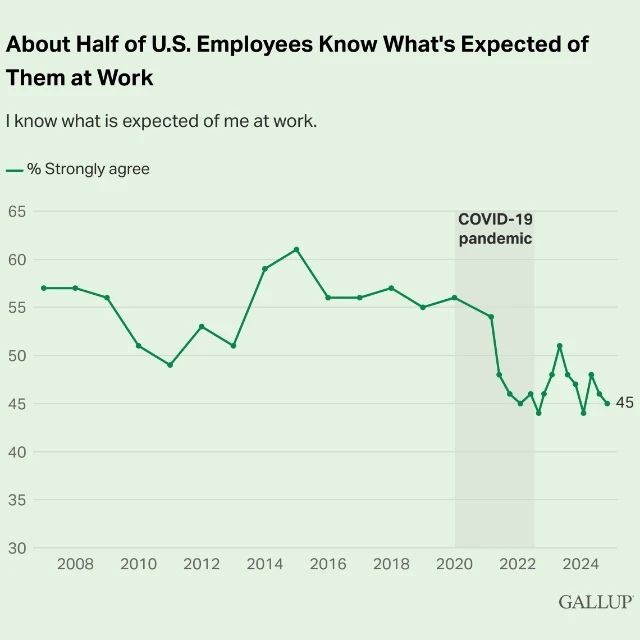
According to Gallup, only about 45% of employees strongly agree they know what is expected of them at work. Teams with clear expectations are far more likely to stay aligned and perform consistently.
We often set goals with good intentions, but lose track when they are too vague. The same applies to teams. Without clear direction, it becomes difficult for people to stay aligned or measure progress.
A better approach is to set SMART goals-specific, measurable, achievable, relevant, and time-bound. This gives teams a clear understanding of what needs to be done and how success will be evaluated.
Leaders like Steve Jobs were known for maintaining strong clarity around goals and vision. When teams know exactly what they are working toward, it becomes easier to stay focused and make consistent progress.
Clear expectations reduce confusion, improve accountability, and help teams work with more confidence toward shared outcomes.
2. Communication tools and techniques
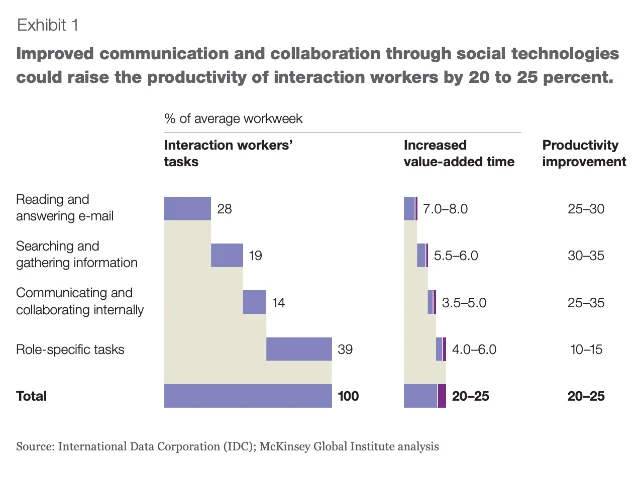
Research from McKinsey & Company found that improving communication and collaboration through digital tools can increase productivity by up to 20–25%.
Technology plays an important role in helping teams collaborate, especially in today's distributed work environment, and tools like WhatsApp CRM can make communication faster and easier to manage
Project management and communication tools that bring tasks, updates, and discussions into one place can make coordination much easier, particularly for teams working across different locations. For process clarity, teams often rely on a flowchart generator to map workflows and clarify responsibilities.
Teams that also need to review, edit, convert, or share documents efficiently may benefit from tools like PDF Guru.
For teams that depend on shift-based or time-bound work, tools like Employee Scheduling Software like Homebase, can reduce confusion around availability and responsibilities. When schedules are clear and accessible, teams spend less time coordinating logistics and more time focusing on the work itself.
At the same time, tools alone are not enough. Active listening is just as important. Paying close attention to what others are saying and asking clear follow-up questions helps avoid misunderstandings and keeps everyone aligned.
Regular team interactions also make a difference. Both formal meetings and informal check-ins give teams space to share updates, discuss ideas, and resolve any blockers before they slow down progress. Many teams also use structured tier meetings to create a consistent rhythm for sharing updates, escalating issues, and keeping everyone aligned across different levels of the organization.
When the right tools are combined with clear communication habits, teams can stay connected and work more smoothly, regardless of where they are located. Over time, these habits also shape how teams handle customer conversations - the clarity built internally often carries over into how people respond to external queries and keep clients informed. Teams that apply consistent communication standards on both sides tend to build stronger relationships and operate with greater reliability as they grow.

3. Encouraging innovation and shared learning
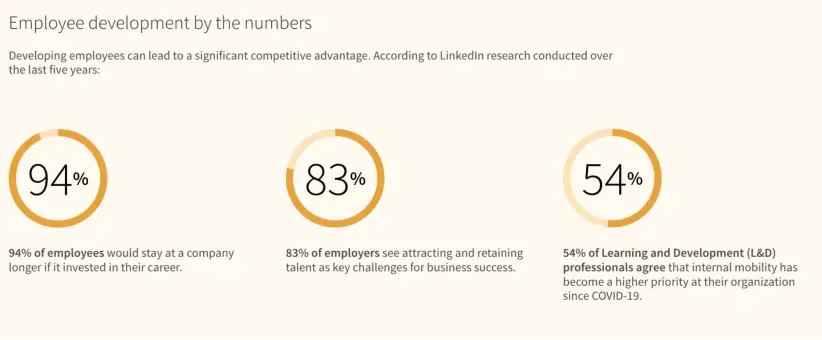
According to LinkedIn Learning, 94% of employees say they would stay longer at a company that invests in their learning and development.
Strong teams improve over time by learning from experience and trying new ideas. Creating an environment where people feel comfortable sharing thoughts, giving feedback, and testing new approaches helps teams grow and adapt.
One way to support this is by encouraging open communication. When team members know their ideas are welcome and that mistakes are treated as learning opportunities, they are more likely to contribute and experiment. Recognizing thoughtful risk-taking and practical ideas can also reinforce this mindset.
Knowledge sharing plays an important role as well. Teams benefit when individuals share what they know, whether through regular sessions, peer mentoring, or simple internal resources that others can refer to later.
To make learning more consistent, many teams use a Learning Management System. It helps organize training materials, track progress, and ensure everyone has access to the same knowledge. Instead of relying only on informal sharing, teams get a central place to learn, revisit concepts, and build skills over time.
It also helps to promote cross-functional collaboration. When people from different roles or departments work together, they bring new perspectives that can lead to better ideas and solutions.
When learning and idea-sharing become part of everyday work, teams are better equipped to handle challenges and improve their operations.
4. Celebrating success and recognizing achievements
Well-recognized employees are 45% less likely to leave their organization within two years, according to a 2022-2024 longitudinal study by Gallup.
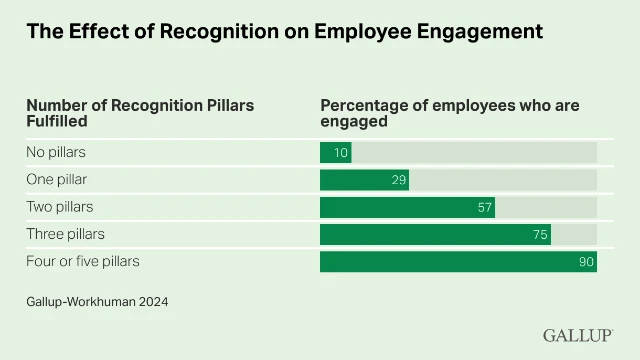
Recognition and appreciation play an important role in keeping teams motivated. When people see their efforts acknowledged, it reinforces the value of their work and encourages them to keep contributing.
A strong team culture includes both individual and team recognition. This can take many forms-formal recognition programs, public appreciation during meetings, or simple acknowledgments of a job well done. In many organizations, recognition is also reinforced through meaningful physical awards that mark important contributions in a lasting way. For example, personalized crystal awards from Awards.com are often used to honor leadership, years of service, and standout team achievements, turning appreciation into something tangible employees can proudly keep. These moments help build a sense of accomplishment and belonging.
It's also important to celebrate milestones, not just major wins but smaller achievements along the way. Recognizing progress helps maintain momentum and keeps teams engaged over time.
When appreciation becomes a regular part of the workplace, it creates a positive environment where people feel encouraged to do their best work and support one another.
5. Adaptability and continuous improvement
Today's business environment is constantly changing, with shifting market conditions and new challenges emerging regularly. To keep up, teams need to stay flexible and be ready to adjust their approach when needed.
For growing teams and startups, setting up the right business structure early on also matters, and many founders turn to reliable LLC formation services to keep operations organized and compliant as they scale.
Regular check-ins can help teams stay on track. Reviewing progress, discussing market changes, and identifying areas for improvement enable teams to respond more quickly and make better decisions.
Building a habit of continuous improvement is just as important. Encouraging team members to share feedback on processes and workflows can highlight gaps and lead to smoother ways of working over time.
When learning and adaptation are part of the culture, teams are better prepared to handle change and maintain steady performance even in uncertain situations.
Cultivating a Team of Success
Building a high-performing team is not about one big change-it is the result of small, consistent actions over time. Clear goals give direction. Thoughtful communication keeps everyone aligned. A culture of learning helps teams improve, while recognition keeps people motivated. And the ability to adjust ensures the team stays steady, even when things change.
When these elements come together, performance stops feeling forced. Work becomes more coordinated, decisions are clearer, and people take greater ownership of their work. The result is a team that not only meets expectations but builds a rhythm of steady, reliable output.
It doesn't happen overnight, but with the right communication habits in place, it becomes something you can build and sustain.