Payment Links That Look Like Phishing: Why Genuine Invoices Get Quarantined and Paid Late
By SendBridge Team · Published Oct 15, 2026 · 7 min read · Email Deliverability
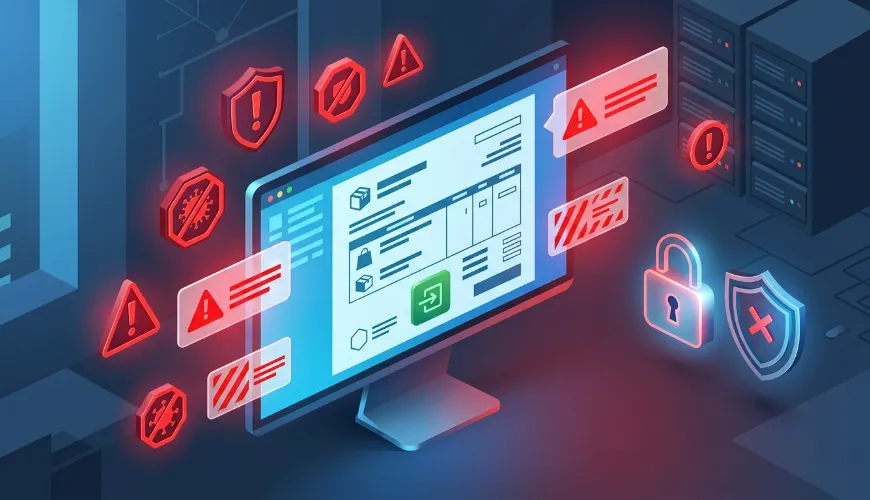
In today's digital economy, payment links have become a convenient and widely adopted tool for businesses to request and receive payments swiftly. Whether invoicing clients, collecting subscription fees, or facilitating one-time transactions, payment links simplify the payment process for both parties. However, an unexpected and increasingly common challenge has surfaced: many legitimate payment links are being flagged as phishing attempts by email security systems. This results in quarantined emails, delayed payments, and a cascade of operational disruptions. Understanding why this happens is essential for businesses aiming to maintain smooth cash flow and healthy vendor-client relationships.
Cybersecurity systems have grown increasingly vigilant in response to the rising tide of email-based attacks. According to a report by Proofpoint, phishing attacks surged by 65% in 2023 compared to the previous year, prompting email filters to become more aggressive and cautious in their threat detection processes. This heightened scrutiny means that genuine invoices containing payment links, especially those with suspicious-looking URLs or unusual sender domains, can inadvertently trigger security protocols designed to protect users from fraud.
The consequences of these false positives extend beyond mere inconvenience. When legitimate payment requests are quarantined or sent to spam folders, payments get delayed, cash flow is disrupted, and the trust between businesses and their customers can erode. This article explores the reasons behind this phenomenon, its impact on business operations, and practical strategies companies can adopt to prevent genuine invoices from being mistaken for phishing attempts.
Why Genuine Payment Links Get Flagged by Security Filters
Phishing emails frequently mimic invoices or payment requests as a method to trick recipients into clicking malicious links that can steal sensitive information or install malware. To combat this threat, email security solutions analyze multiple factors such as URL structures, sender reputation, and email content for red flags. Unfortunately, many legitimate payment platforms use link formats that closely resemble those favored by cybercriminals.
For example, URLs that contain long strings of random alphanumeric characters, multiple subdomains, or obscure domain names are common in legitimate payment gateways. These features often serve technical purposes such as tracking transactions or enhancing security. However, attackers also use similar URL tricks to obfuscate malicious links, making it difficult for automated filters to distinguish between genuine and fraudulent payment requests.
In addition, some businesses rely on third-party payment processors whose domains might be unfamiliar to recipients or flagged as suspicious by spam filters. This increases the risk that genuine payment emails will be quarantined or blocked.
To mitigate this, businesses can benefit from getting support from Complete Technology Solutions. Expert IT support teams can help configure email systems to whitelist trusted domains, optimize spam filter sensitivity, and implement authentication protocols that improve email deliverability. Early involvement of IT professionals in the invoicing process is critical to balancing security with usability.

The Impact of Payment Link Phishing Alerts on Business Operations
The consequences of having legitimate invoices mistakenly flagged as phishing attempts are multifaceted and substantial. When payment emails are quarantined, the following issues commonly arise:
- Delayed Payments: Recipients often do not check their spam or quarantine folders promptly, which means invoices go unpaid past their due dates.
- Cash Flow Disruptions: For suppliers and vendors, delayed receivables can hinder their ability to manage operational budgets, payroll, and investment plans.
- Customer Frustration: Clients who encounter confusing security alerts or blocked emails may lose confidence in the billing process, potentially harming long-term business relationships.
- Increased Administrative Overhead: Both vendors and customers may need to spend additional time verifying invoice authenticity and resending payment links, creating inefficiencies.
A survey conducted by the Association for Financial Professionals revealed that 32% of companies experienced delayed payments due to email filtering issues in 2023. This statistic underscores how widespread and impactful this problem has become across industries.
Furthermore, the financial impact of delayed payments can be severe, particularly for small and medium-sized enterprises (SMEs) that rely heavily on predictable cash inflows. Late payments can force businesses to seek short-term financing or delay critical expenditures, which in turn affects growth and competitiveness.
Mitigating Risks Through IT Collaboration and Best Practices
Addressing the problem of genuine payment links being flagged as phishing requires a coordinated effort between finance teams and IT departments. Implementing technical safeguards such as Domain-based Message Authentication, Reporting & Conformance (DMARC), Sender Policy Framework (SPF), and DomainKeys Identified Mail (DKIM) can help authenticate emails and reduce the incidence of false positives. These protocols verify that emails are sent from authorized servers, improving their credibility in the eyes of recipient mail systems.
Moreover, partnering with managed IT service providers like Compass Computer Group in Cleveland can bring specialized expertise to the table. These teams can assist in configuring email security policies, maintaining domain reputation, and monitoring for any anomalies that might cause legitimate payment emails to be flagged. Proactive IT involvement ensures that payment-related communications are recognized as legitimate by recipient servers without compromising overall security.
Beyond technical measures, businesses can adopt several best practices to reduce the likelihood of their payment links being mistaken for phishing attempts:
- Use Branded Payment Portals: Direct customers to payment pages clearly associated with the company's official domain. Branded URLs increase trust and reduce suspicion.
- Shorten URLs with Reputable Services: Using URL shorteners that maintain security and transparency can produce cleaner, more recognizable links that are less likely to trigger spam filters.
- Educate Clients: Inform customers about what legitimate payment emails look like, including sender addresses and link formats, and encourage them to whitelist vendor email addresses.
- Regularly Review Email Content: Avoid excessive formatting, suspicious language, or hyperlinking practices that can trigger spam filters.
- Implement Secure Email Gateways: Invest in advanced filtering technologies that balance threat detection with minimizing false positives.
By integrating these strategies, companies can streamline their billing processes, improve payment timeliness, and safeguard the customer experience.
The Role of Advanced Technologies in Reducing False Positives
As cyber threats evolve, email security systems will continue to tighten controls, which may inadvertently affect genuine business communications. However, emerging technologies offer hope for better balancing security and convenience.
According to Gartner, by 2025, over 70% of organizations will adopt AI-driven cybersecurity tools capable of more accurately distinguishing between malicious and legitimate emails. These AI-powered filters analyze vast amounts of data and context to reduce false positive rates significantly. This advancement promises to make it far less likely that genuine payment links will be quarantined in the near future.
Until such technologies become widespread, businesses must remain proactive in managing their payment communications. This includes continuous collaboration with IT experts, regular review of email templates and domains, and educating clients on secure payment practices.
When Phishing Filters Flag Your Invoices
In a world where phishing attacks are increasingly sophisticated and prevalent, it is understandable that email filters err on the side of caution. However, when genuine payment links become collateral damage, the resulting quarantines and payment delays create tangible challenges for businesses. These delays can disrupt cash flow, strain customer relationships, and increase administrative workload.
By understanding why these issues occur and working closely with IT professionals, companies can implement effective technical and procedural measures to ensure their invoices reach customers promptly and securely. Proactive communication, robust email authentication protocols, and expert IT support are key to overcoming the hurdles posed by payment link phishing alerts.
Businesses that invest in these areas will enjoy smoother payment cycles, improved cash flow predictability, and stronger customer trust in the long term. Addressing the root causes of payment link misclassification today lays the foundation for more resilient and efficient financial operations tomorrow.