Anatomy of a Fake Invoice: How Sales and Finance Inboxes Get Played
By SendBridge Team · Published Oct 16, 2026 · 7 min read · Technology
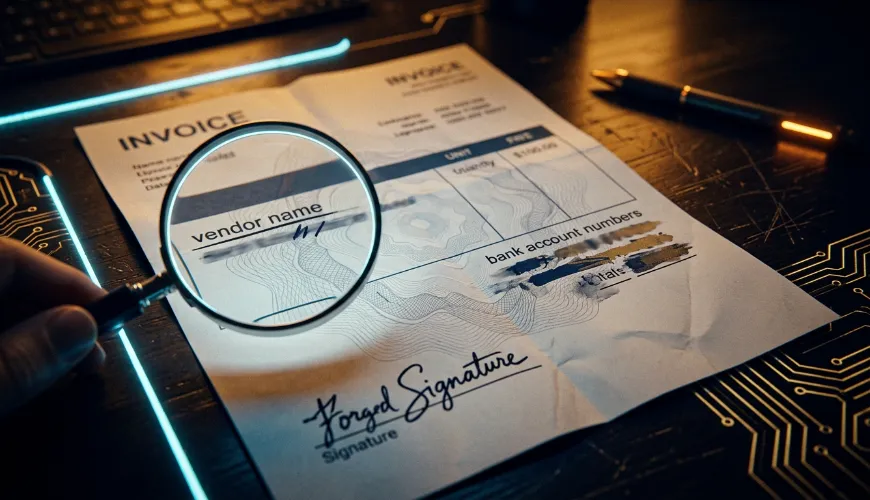
Cybersecurity threats come in many forms, but few hit businesses as hard-or as quietly-as fake invoice scams. These schemes zero in on sales and finance teams, taking advantage of trust and gaps in everyday procedures to drain company funds or slip past security and grab sensitive data. The Association of Certified Fraud Examiners estimates that businesses lose around 5% of their annual revenue to fraud each year, and invoice scams account for a sizable chunk of that total. A number that large makes one thing clear: companies need to understand exactly how these fake invoices work and how they find their way into corporate inboxes in the first place.
Cybercriminals often craft fake invoices that closely resemble legitimate documents from trusted vendors or partners. These invoices may include subtle variations in vendor names, bank account details, or invoice numbers that evade casual scrutiny. Attackers then send these fraudulent documents to sales or finance inboxes, hoping employees will approve payments without thorough validation. A key vulnerability here is the reliance on email as a primary communication channel, which can be easily spoofed or compromised. Implementing a robust cybersecurity deployment by Computers Made Easy can help mitigate these risks by enhancing email security, monitoring inbound communications, and detecting anomalies before they reach critical decision-makers.
Anatomy of a Fake Invoice
Understanding the components of a fake invoice is essential for early detection. Typically, a fraudulent invoice includes the following elements:
-
Vendor Information: Often, the vendor's name is slightly altered, or the email address is similar but not identical to the official contact. Cybercriminals may register domains mimicking legitimate vendors to increase credibility.
-
Invoice Number and Date: These may be fabricated or copied from previous legitimate invoices but altered to avoid duplication detection.
-
Line Items and Pricing: While some fake invoices mimic genuine goods or services, others include vague descriptions or inflated amounts to exploit inattentive reviewers.
-
Payment Details: Crucially, the bank account or payment instructions are manipulated to redirect funds to the attacker's account.
For sales and finance teams, the challenge lies in balancing efficiency with vigilance. Automated invoice processing systems can speed up approvals but may lack the nuance needed to flag subtle discrepancies. This is where expertise in strategic consulting at Contego Solutions can provide significant value. By aligning IT and business processes, strategic consulting helps organizations establish controls, workflows, and technology solutions that reduce the risk of falling victim to invoice fraud.

How Sales and Finance Inboxes Become Targets
Email remains the primary vector for delivering fake invoices. Attackers use several tactics to infiltrate these inboxes:
-
Phishing and Spear Phishing: Targeted emails that appear to come from trusted sources trick employees into opening attachments or clicking links containing malicious payloads.
-
Business Email Compromise (BEC): Cybercriminals compromise legitimate business email accounts to send fraudulent invoices that appear authentic.
-
Domain Spoofing: Creating email addresses that closely resemble those of real vendors to deceive recipients.
Once inside the inbox, fake invoices can bypass filters because they do not always contain malware but rely on social engineering to prompt payment. A study by the FBI's Internet Crime Complaint Center reported that BEC scams led to losses exceeding $2.4 billion in 2023 alone. This highlights the financial impact of compromised corporate emails, particularly within sales and finance functions responsible for outgoing payments.
Detection and Prevention Strategies
Organizations can take several proactive steps to detect and prevent fake invoice scams:
-
Employee Training: Regular awareness programs educate staff on recognizing suspicious emails and verifying invoice authenticity.
-
Verification Procedures: Implementing multi-factor verification for invoice approvals, including direct confirmation with vendors via known contact information.
-
Email Security Enhancements: Utilizing advanced filters, spoofing detection, and anomaly monitoring to flag unusual email patterns.
-
Cross-Department Collaboration: Encouraging communication between sales, finance, and IT teams to share threat intelligence and suspicious activity reports.
Integrating these approaches within a comprehensive cybersecurity framework is vital. Partnering with experts who specialize in cybersecurity deployment and risk management ensures that defenses evolve alongside emerging threats.
The Role of Technology and Consulting
Technology plays a pivotal role in defending against invoice fraud. Artificial intelligence and machine learning algorithms can analyze invoice data for irregularities, such as mismatched vendor details or unusual payment instructions. However, technology alone is insufficient without strategic implementation. This is where it becomes instrumental. Through consulting, companies can tailor IT solutions to their specific operational needs, ensuring that security measures integrate seamlessly with business processes.
Moreover, consulting services can assist in developing incident response plans and conducting regular audits to identify vulnerabilities. According to a recent survey by Deloitte, 79% of organizations that experienced fraud lacked a formal fraud risk management program prior to the incident. Engaging consultants early helps organizations avoid this pitfall by establishing robust policies and controls.
The Financial and Operational Impact of Fake Invoice Fraud
The consequences of fake invoice fraud extend beyond immediate financial loss. When fraudulent payments are made, companies may face cash flow disruptions, strained vendor relationships, and increased operational costs related to investigation and remediation. A Ponemon Institute study found that the average cost of a data breach involving financial fraud is approximately $4.35 million. While not all fake invoice scams result in data breaches, the financial strain and reputational damage can be similarly significant.
Furthermore, the time and resources spent on resolving fraudulent transactions detract from core business activities. Finance departments may need to implement costly process changes or additional controls, impacting productivity. Sales teams might experience delays in legitimate vendor payments, affecting supply chains and customer satisfaction. These ripple effects underscore the importance of proactive fraud prevention measures.
Case Studies: Real-World Examples of Fake Invoice Schemes
To illustrate the tactics used by fraudsters, consider the following examples:
-
A multinational manufacturing company received an invoice that appeared to come from a longtime supplier. The invoice included subtle spelling errors in the vendor's email address and requested payment to a new bank account. The finance team, lacking verification protocols, processed the payment, resulting in a loss of $250,000.
-
An IT services firm fell victim to a BEC attack when cybercriminals compromised the email account of a senior executive. The attackers sent fraudulent invoices to the finance department, which were processed before the fraud was detected. The firm recovered some funds but still incurred significant losses and reputational damage.
These cases demonstrate how sophisticated and convincing fake invoices can be, and why reliance on technology and human vigilance must go hand in hand.
Building a Culture of Security Awareness
Beyond technology and process improvements, fostering a culture of security awareness throughout the organization is paramount. Employees at all levels should understand the risks associated with fake invoices and be encouraged to question anomalies without fear of reprimand. Regular training sessions, phishing simulations, and clear reporting channels empower staff to act as the first line of defense.
Additionally, leadership must prioritize cybersecurity by allocating adequate resources and setting expectations for compliance. Organizations that embed security into their corporate culture are better positioned to detect and respond to threats swiftly.
Staying One Step Ahead of Invoice Fraud
Fake invoice scams are a sophisticated threat targeting the very heart of business operations-sales and finance departments. The combination of social engineering, technical deception, and procedural gaps creates a perfect storm for fraudsters. However, with informed vigilance, employee training, enhanced email security, and strategic consulting, organizations can significantly reduce their exposure.
By dissecting the anatomy of a fake invoice and understanding how these scams penetrate inboxes, businesses can implement targeted defenses. Leveraging services such as empowers companies to stay a step ahead of cybercriminals, protecting their financial assets and maintaining operational integrity in an increasingly complex threat environment.