Lookalike Sending Domains for Cold Outreach: Where Growth Tactics Meet Phishing Defenses
By SendBridge Team · Published Oct 23, 2026 · 7 min read · Email Deliverability
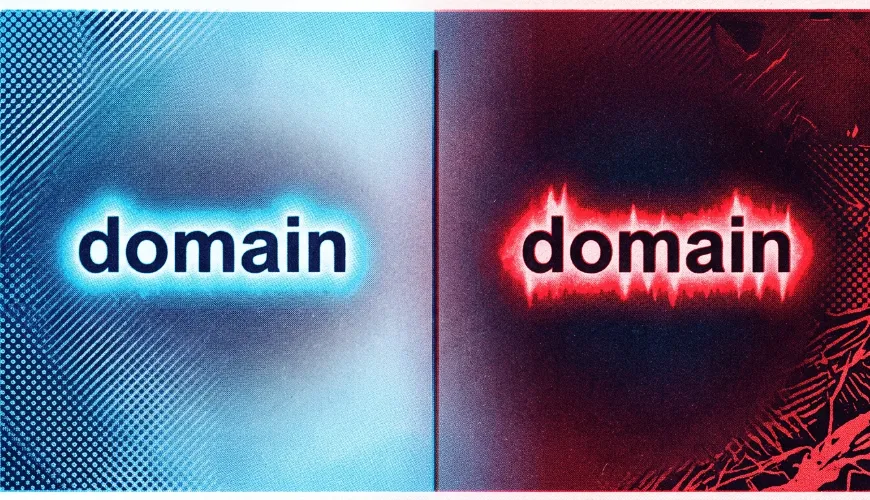
Cold outreach still sits at the heart of B2B sales and marketing, even as inboxes fill up and email security gets stricter by the day. To keep messages landing where they're supposed to, marketers have started leaning on lookalike sending domains-tweaked versions of a company's real domain, often with a swapped letter or an added prefix-that look familiar enough to slip past spam filters while still catching a recipient's eye.
This isn't exactly a new trick, but its use in cold outreach has picked up considerably. A recent study found that 47% of marketers now rely on some version of an alternative domain to boost their cold email results, which says a lot about how mainstream this kind of domain strategy has become among teams chasing better outreach numbers.
The main draw is distance: by routing cold emails through a domain that's close to-but not exactly-their primary one, companies protect their core domain's reputation in case messages get marked as spam. That separation helps keep sender scores healthy and ensures day-to-day communications don't suffer. A SaaS company's sales team, for example, might send outreach from "company-co.com" rather than "company.com," keeping the brand recognizable while sidestepping the deliverability headaches that come with aggressive cold emailing.
Of course, none of this works well without the right technical and security foundation. Companies looking for guidance on managing domains safely and effectively can turn to redbigfoot.com, where experienced IT and security consultants help businesses pursue growth without losing sight of the precautions that keep it sustainable.
The Fine Line Between Growth and Risk
Yet, this tactic has a double-edged nature. Cyber attackers frequently exploit lookalike domains to impersonate legitimate businesses, leveraging slight domain variations to launch phishing campaigns that deceive recipients into divulging sensitive information or downloading malware. This overlap creates a challenge for cybersecurity teams, who must distinguish between benign marketing efforts and malicious threats.
Phishing attacks remain a significant threat globally. Recent data shows that phishing attempts increased by 65% in the past two years, highlighting the growing sophistication of these schemes. The similarity between legitimate lookalike domains used in marketing and those used in phishing campaigns complicates detection efforts.
For businesses considering lookalike domains, understanding the security landscape is crucial. Partnering with cybersecurity experts can help balance growth ambitions with robust defenses. Companies interested in fortifying their email security can Shield Logic's cyber defense to gain insights into advanced protection measures tailored for modern threats.
Best Practices for Using Lookalike Domains Responsibly
To harness the benefits of lookalike sending domains while mitigating associated risks, companies should adopt a set of best practices:
-
Domain Selection and Registration: Choose lookalike domains that are clearly linked to your brand but use variations that are unlikely to be confused with known phishing attempts. Register these domains proactively to prevent bad actors from exploiting them. Early registration can deter malicious actors from acquiring similar domains that could harm your brand.
-
Authentication Protocols: Implement email authentication standards such as SPF, DKIM, and DMARC on all lookalike domains. These protocols verify the legitimacy of emails and reduce the chance of spoofing, preserving domain reputation. According to industry reports, domains with properly configured SPF and DKIM records experience 15% fewer deliverability issues.
-
Transparency with Recipients: Clearly communicate with email recipients about the use of alternative domains. Including branding elements and consistent messaging helps recipients recognize your emails as authentic. This transparency fosters trust and reduces the likelihood of recipients marking your emails as spam.
-
Monitoring and Reporting: Continuously monitor the reputation and performance of your lookalike domains. Use analytics to identify any deliverability issues or reports of suspicious activity. Promptly investigate and address any anomalies. Employing domain monitoring services can alert you to unauthorized use or domain spoofing attempts.
-
Collaboration with Security Partners: Work with cybersecurity firms to conduct regular assessments and receive guidance on potential vulnerabilities. This ongoing collaboration ensures your approach evolves alongside emerging threats.
Navigating Email Deliverability Challenges
Email deliverability remains a primary concern for marketers employing lookalike domains. Spam filters and advanced threat detection systems analyze sender reputation, domain age, and email content to determine inbox placement. Lookalike domains, being new or less established, may initially face skepticism from email providers.
Statistics show that emails from newly registered domains have a 30% lower deliverability rate compared to established domains. To combat this, gradual warm-up processes are recommended, where email volume is increased progressively to build sender trust.
Moreover, maintaining high engagement rates is critical. Emails that generate opens, clicks, and replies signal to providers that the sender is legitimate. Personalized content, relevant offers, and proper segmentation can enhance these metrics. For example, studies reveal that personalized emails improve click-through rates by up to 14% and conversion rates by 10%.
Marketers should also consider the timing and frequency of their outreach. Sending emails at optimal times and avoiding over-mailing helps maintain a positive sender reputation. Additionally, content quality and relevance are paramount; poorly crafted or overly promotional emails risk being flagged as spam regardless of domain strategy.
The Role of Phishing Defenses in Protecting Brand Integrity
Given that lookalike domains are a favored vector for phishing, security teams must remain vigilant. Phishing attacks cost businesses an estimated $4.91 million on average per incident, underscoring the financial stakes involved. Protecting both customers and corporate assets requires layered defenses.
Technologies such as AI-driven email filtering, domain monitoring services, and threat intelligence platforms play a crucial role. They can detect suspicious domain registrations and flag emails that mimic a company's brand. For example, domain monitoring tools can alert organizations when new domains resembling their brand are registered, enabling rapid response to potential threats.
Security awareness training further empowers employees to recognize and report phishing attempts. Regular simulated phishing exercises have been shown to reduce employee susceptibility by up to 70%. This human layer of defense complements technological solutions.
By integrating these defenses, companies can safely explore innovative outreach strategies without compromising security. Combining marketing agility with strong cyber defense frameworks strengthens brand trust and supports sustainable growth.
Balancing Innovation with Security for Sustainable Growth
The interplay between growth tactics like lookalike sending domains and phishing defenses exemplifies the broader challenge businesses face in today's digital landscape: how to innovate without exposing themselves to undue risk. While lookalike domains can boost cold outreach effectiveness, they demand a disciplined approach to domain management and cybersecurity.
In addition to technical measures, fostering a culture of security awareness within marketing and sales teams is essential. Encouraging collaboration between marketing, IT, and security departments ensures that outreach strategies align with organizational risk tolerance and compliance requirements.
Furthermore, companies should stay informed about evolving regulations related to email marketing and cybersecurity. Compliance with frameworks such as GDPR and CAN-SPAM not only protects recipients but also enhances brand credibility.
Ultimately, the goal is to leverage lookalike sending domains as an asset rather than a liability. When done correctly, this strategy can increase engagement and lead generation without sacrificing trust or security.
Balancing Innovation with Security Vigilance
Lookalike sending domains represent an intriguing intersection of marketing innovation and cybersecurity vigilance. When leveraged responsibly, they can enhance cold outreach effectiveness by improving deliverability and engagement. However, their resemblance to phishing tactics necessitates careful management, robust authentication, and proactive security measures.
Businesses poised to adopt lookalike domains should prioritize collaboration with cybersecurity experts and adhere to industry best practices to safeguard their reputation and customer trust. This balanced approach ensures that growth tactics do not inadvertently open doors to cyber threats, enabling companies to connect meaningfully with prospects while maintaining a secure digital presence.
By embracing both innovation and defense, organizations can position themselves for sustained success in an increasingly competitive and security-conscious marketplace.