What Sellers Need to Know About Negotiation Tactics in Property Deals
By SendBridge Team · Published Jan 28, 2026 · 8 min read · Sales
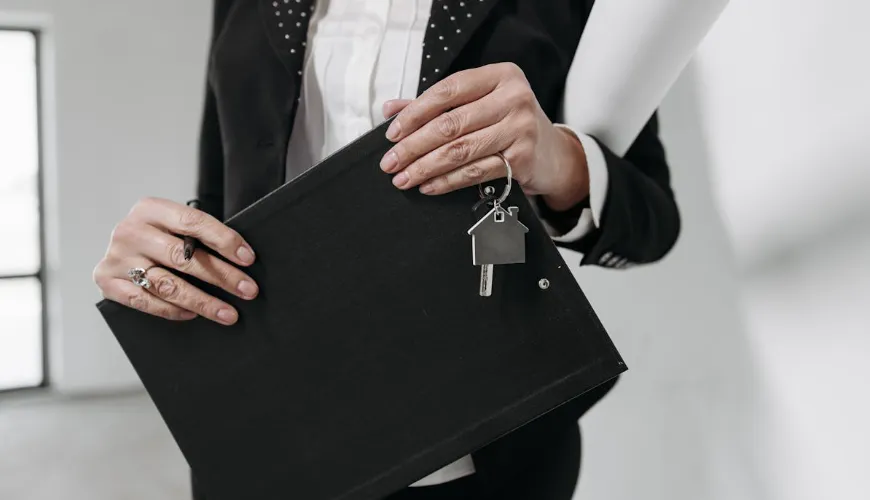
Negotiation is an art and a science, particularly in the realm of property deals. Sellers must navigate a well-defined sector that involves buyers, agents, market conditions, and personal motivations.
Understanding negotiation tactics empowers sellers and increases the chances of achieving favorable outcomes in their transactions. Educating oneself on these tactics can bridge the gap between sellers hoping for a swift, profitable sale and buyers vying for the best deal. We will examine several key strategies sellers should consider to effectively negotiate their property deals.
Understanding Buyer Psychology
To effectively negotiate, a seller must first understand the psychology of the buyer. Buyers often approach property deals with a focus on value, both emotional and monetary. This mindset can lead to aggressive negotiating stances as buyers try to secure the best deal possible.
Sellers should be prepared to recognize and empathize with the buyer’s perspective. Building rapport with buyers can create an atmosphere of trust and collaboration rather than competition.
Factors such as urgency, desire for the property, and available financing options can all play significant roles in a buyer's psychological state during negotiations. Awareness of these motivations allows sellers to tailor their negotiation strategies accordingly.
Preparing for Negotiation
Preparation is integral to successful negotiation. Sellers should conduct thorough research about current market trends, property valuations, and comparable listings in their area. This preparation helps to establish a solid foundation for gauging the property's worth and assessing reasonable offers.
Understanding how your property compares to others can significantly influence negotiation tactics. Sellers who come armed with data regarding their property’s features, like upgrades or local amenities, can bolster their negotiation position.
Defining your bottom line is necessary. Knowing the least amount you’re willing to accept helps to avoid emotional decisions during heated moments.
Creating a Winning Buying Narrative
Sellers often overlook the importance of storytelling in negotiation. An engaging narrative around the property can make it more compelling to buyers. Highlighting the unique aspects of a home, like its history, the sense of community, or the reasons for selling, can make a significant difference in buyers' perception.
Crafting a narrative that resonates with potential buyers can help them envision their lives in the property, thereby elevating its perceived value. Sharing personal reasons for selling may elicit empathy from buyers, possibly making them more likely to consider a seller's terms. Establishing an emotional connection helps to pave the way for a smoother negotiation process.
Utilizing Professional Help
Enlisting the help of real estate professionals can transform a seller's negotiation strategy. Agents possess valuable insights and experience, and they often know the ins and outs of local markets. They can provide pertinent market data and advice on how to make property listings more attractive.
An agent can handle initial dialogues with buyers, which often reduces the emotional strain on sellers. Whether you’re looking to sell your family home or an investment property, having an agent by your side can significantly enhance your ability to negotiate effectively, particularly when supported by reliable conveyancing services to manage the legal aspects of the transaction.
They can provide support when crafting counteroffers and help maintain momentum during discussions. Cash buyers often prefer a smooth transaction
Establishing working relationships with reliable professionals can open doors to opportunities. Sellers seeking expedient sales may consider options such as how to get cash for your Florida mobile home today from a reliable cash home buyer. A dependable cash buyer typically offers transparent terms and eliminates common delays associated with traditional financing.
They often purchase properties in as-is condition, saving sellers from costly repairs or staging. These buyers tend to close quickly, which can be beneficial for those facing time-sensitive situations. Partnering with a trusted cash home buyer ensures a straightforward process and greater peace of mind throughout the sale.

Mastering the Art of Counteroffers
Counteroffers can be among the most challenging aspects of negotiation. They are necessary for reaching an amicable agreement.
When faced with an offer, sellers should assess every aspect critically, evaluating more than just the offered price. Terms such as closing costs, payment conditions, and contingencies can substantially shift the negotiation field.
A thoughtful counteroffer encourages dialogue instead of shutting down discussions. Sellers must respond promptly while remaining calm and professional. Allowing too much time to pass can give buyers the impression that sellers are not interested or are unprepared, which might weaken their negotiation stance.
Achieving Win-Win Situations
Striving for a win-win situation in negotiations can result in a mutually beneficial outcome. Instead of merely seeking the highest possible price, consider what aspects of the deal are crucial to both parties. Achieving this alignment often requires flexibility.
A seller may accept a slightly lower offer if the buyer can accommodate a faster closing date. Fostering cooperative elements can make the negotiation environment more harmonious, building goodwill between both parties.
Sellers should approach negotiations without an adversarial mindset, focusing instead on finding common ground that satisfies both sides. These tactics will help close the deal and might lay the groundwork for future transactions or referrals.
Dealing with High-Stakes Situations
Negotiation can sometimes escalate into high-stakes contests where emotions run high. Sellers should learn techniques for maintaining composure during such discussions. Taking breaks or bringing in a third party for mediation can be beneficial if negotiations become contentious.
Establishing ground rules at the outset for respectful communication helps mitigate misunderstandings. Recognizing when to walk away serves as a critical tactic.
A seller who remains calm, collected, and assertive is more likely to command respect during tough negotiations. This discipline often results in better deals, as buyers can sense confidence, making them more willing to accommodate reasonable requests.
Learning from Past Experiences
Analyzing past transactions can uncover valuable lessons for future negotiations. Sellers should reflect on what strategies worked and which did not, allowing them to refine their approach. Keeping notes or records of negotiation outcomes enhances the learning process.
Engaging in post-deal discussions with agents and buyers, when appropriate, allows sellers to gather insights into how each negotiation was perceived by both sides. This reflective practice informs future strategies and contributes to personal growth as a negotiator.
Leveraging Market Timing to Your Advantage
Timing plays a crucial role in negotiation outcomes, and sellers who understand market cycles can negotiate from a stronger position. During periods when demand outweighs supply, sellers often have increased leverage, allowing them to set firmer terms and expect multiple offers. In slower markets, being aware of current buyer behavior can help sellers adjust expectations and strategies to remain competitive.
Monitoring seasonal trends, interest rate fluctuations, and economic indicators ensures sellers are never blindsided by sudden shifts. By choosing the most opportune time to list a property, sellers enhance their ability to negotiate confidently and maximize potential profits.
Utilizing Data-Driven Decision Making
Modern real estate negotiations increasingly rely on data, making it important for sellers to understand and leverage available analytics. Tools that track neighborhood sale prices, average days on the market, and buyer activity patterns offer powerful insights that support informed decision-making. This data can be used to justify pricing, strengthen counteroffers, and debunk lowball offers during negotiations.
Sellers who demonstrate a firm grasp of market analytics often gain credibility during discussions. Providing data-backed reasoning for a price or negotiation stance creates a perception of preparedness and professionalism, which may reduce buyer resistance and facilitate smoother conversations.
Managing Emotions and Communication
Emotions can significantly influence negotiations, particularly in property deals where sellers may have personal attachments to their homes. Managing these emotions helps maintain clarity and prevents rash decisions that could derail a favorable deal. Keeping communication respectful, consistent, and professional ensures both parties stay focused on the goals without escalating tensions.
Active listening is crucial, as it allows sellers to better interpret buyer concerns and respond constructively. By approaching each interaction with calm confidence and emotional discipline, sellers position themselves as reliable negotiators capable of guiding discussions toward mutually beneficial outcomes.
Enhancing Property Presentation for Stronger Offers
A well-presented property naturally strengthens a seller’s negotiation position. Buyers are more inclined to meet a seller’s terms when they feel the property has been cared for and offers exceptional value. Simple enhancements such as fresh paint, decluttering, and improving curb appeal can dramatically influence a buyer’s willingness to negotiate favorably.
High-quality photographs, virtual tours, and staging can further elevate perception, helping buyers visualize themselves in the space. These strategic presentation efforts often lead to quicker offers and provide sellers with a firmer footing during negotiations.
Understanding Legal Considerations in Negotiations
Legal knowledge is another powerful tool that can significantly impact property negotiations. Sellers should familiarize themselves with disclosure requirements, contract clauses, and local real estate laws to prevent misunderstandings or disputes. This understanding ensures that all negotiations proceed smoothly and that sellers avoid unintentional missteps that could void agreements or invite legal challenges.
Working with a qualified real estate attorney can provide clarity on contract terms, protect seller interests, and offer guidance on complex negotiation points. Being legally prepared enhances confidence and strengthens credibility, contributing to more successful outcomes in the negotiation process.
Sellers armed with knowledge about negotiation tactics will find themselves better equipped to navigate the complexities of property deals. Whether managing buyer psychology, preparing meticulously, telling a compelling narrative, or utilizing the expertise of professionals, each of these tactics plays a significant role. Taking the time to master negotiation inquiries and strategies can lead to more successful and profitable property transactions, making the effort well worth it.