The Secrets of Persuasive Ads - How to Craft Your Own
By SendBridge Team · Published Jun 10, 2026 · 11 min read · Marketing

Why Persuasive Ads Matter More Than Ever
Advertising has always been about convincing someone to act-whether that means buying a product, signing up for a newsletter, or simply remembering a brand. Yet, in a world saturated with messages vying for attention, only the most persuasive ads stand out and drive real results. But what truly makes an ad persuasive? The answer is a blend of psychology, creativity, and strategic thinking. By understanding the techniques that drive action and learning from successful advertisement examples, marketers can craft messages that not only capture attention but also convert it into meaningful engagement.
Understanding the Anatomy of Persuasive Ads
The Core Elements of Persuasion in Advertising
Advertising is rooted in time-tested theories of persuasion, many of which were outlined decades ago by psychologist Robert Cialdini. His principles-reciprocity, commitment, social proof, authority, liking, and scarcity-still underpin many modern persuasive techniques. The most effective ads often combine several of these principles to create compelling messages that nudge consumers toward action.
For instance, Nike's iconic "Just Do It" campaign isn't just catchy-it's a masterclass in emotional resonance and empowerment, tapping into the universal human desire for achievement and belonging. By leveraging emotional triggers, storytelling, and relatable imagery, Nike's ads persuade on both a rational and subconscious level.
Real-World Persuasive Ads Examples
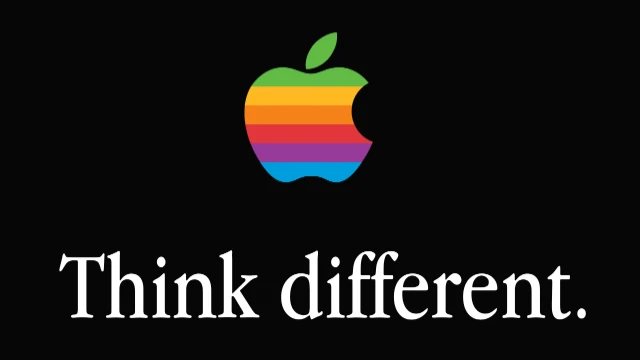
Apple's "Think Different" Campaign: Apple's ads consistently highlight innovation and creativity, positioning their products as tools for dreamers and doers. The campaign didn't focus on technical specs but instead celebrated visionary thinkers, creating a sense of aspiration and belonging.
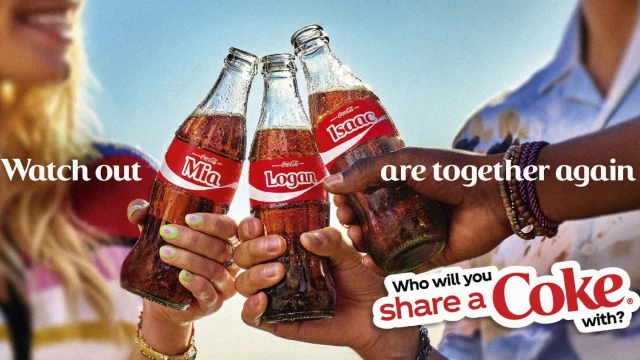
Coca-Cola's "Share a Coke" Campaign: Personalization played a huge role here. By printing names on bottles, Coca-Cola encouraged people to find their own bottle and share it, tapping into the persuasive techniques of personalization and social proof. The result? A surge in sales and widespread social media buzz.
Dove's "Real Beauty" Campaign: Dove challenged beauty standards by featuring real women instead of models. This use of authenticity and relatability made the campaign emotionally engaging and persuasive, fostering trust and sparking global conversations.
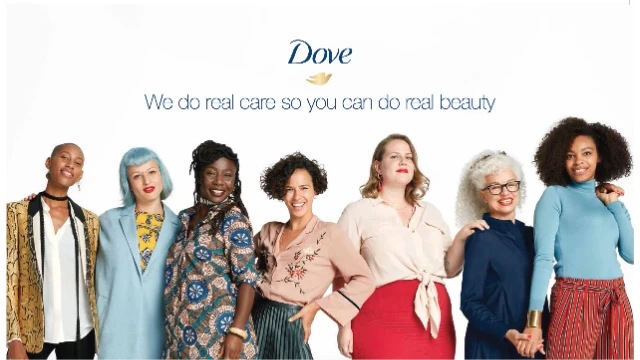
These examples demonstrate how persuasive ads use emotional appeals, authenticity, and personalization to resonate with audiences. They don't just promote a product-they invite the consumer to be part of a story or movement.
Effective Persuasive Techniques in Advertising
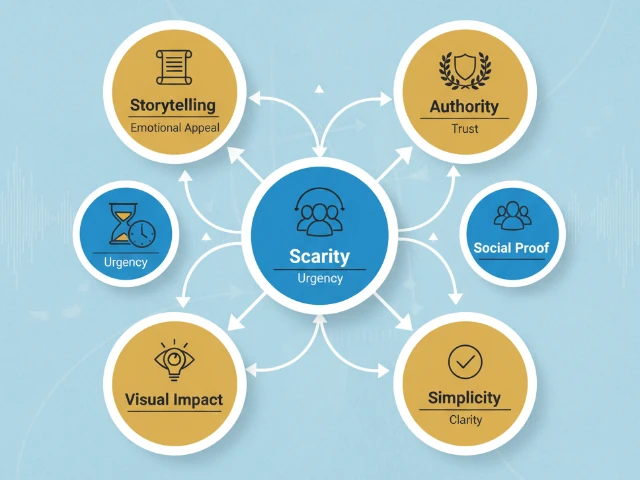
Storytelling and Emotional Appeal
At its core, every persuasive ad tells a story. Storytelling humanizes a brand and makes it memorable. Consider Google's annual "Year in Search" video ads: these use real-world events and search queries to evoke deep emotions, subtly demonstrating Google's relevance in people's lives. Emotional ads, especially those that evoke happiness, nostalgia, or empathy, are more likely to be shared and remembered.
Authority and Trust
Endorsements from credible experts or celebrities can lend authority to a brand. Take toothpaste brands like Colgate, which often feature dentists to bolster credibility. In a crowded market, third-party validation helps reduce skepticism and increases trust.
Scarcity and Urgency
Phrases like "Limited Time Offer" or "Only a Few Left in Stock" are classic examples of the scarcity principle in action. This persuasive technique creates a sense of urgency, prompting consumers to act quickly for fear of missing out (FOMO). Amazon's lightning deals and Black Friday sales consistently leverage this approach.
Social Proof
People are naturally inclined to trust the choices of others. Ads highlighting customer testimonials, ratings, or "bestseller" tags take advantage of social proof. For example, Booking.com's ads display messages like "Booked 10 times in the last 24 hours," nudging viewers toward a decision.
Visual Impact
A striking image or clever visual metaphor can communicate a message more powerfully than words alone. According to a Nielsen study, visual content is processed 60,000 times faster than text-a fact that underscores the power of strong creative in persuasive ads. In physical environments, this rapid psychological processing relies entirely on how flawlessly a concept transitions from a digital screen onto real-world media. Utilizing premium custom printed vinyl banners allows brands to capture this immediate psychological real estate, using crisp color calibration and grand-scale clarity to stop passersby in their tracks before they can look away. For inspiration, look no further than Absolut Vodka's famous bottle-shaped visuals, which maintained brand consistency while sparking curiosity and engagement.
Simplicity and Clarity
The best advertisements distill a message down to its essentials. Too much information can overwhelm and confuse. Persuasive ads focus on a single, clear call to action (CTA), using concise language and uncluttered visuals. A memorable CTA-like M&M's "Melts in Your Mouth, Not in Your Hands"-can drive both recall and action.

What Makes an Advertisement Truly Persuasive?
The Science Behind What Works
While creativity is important, the psychology of persuasion is the engine that drives conversions. Research from the American Marketing Association shows that people are more likely to be persuaded by ads that:
- Address a specific pain point or desire
- Offer a clear benefit or solution
- Combine rational information with emotional appeal
- Use credible sources and endorsements
- Create a sense of urgency or exclusivity
A well-designed persuasive ad doesn't just deliver information; it creates a feeling and a sense of connection. It's about tapping into the audience's needs, wants, and motivations. As Steve Jobs once remarked, "Marketing is about values. It's a complicated and noisy world, and we're not going to get a chance to get people to remember much about us… so we have to be really clear about what we want them to know about us."
Real-World Example: Persuasive Ad Breakdown
Imagine scrolling through Instagram and seeing a video: A woman runs through a busy city, her sneakers pounding the pavement. Cut to a close-up-she's smiling, sweat on her brow, as the sunrise glimmers. The copy reads: "For every runner, at every sunrise." Beneath, a tagline: "Run Your Way. Brooks."
Why does this work? The ad targets a specific emotion-personal achievement-and pairs it with relatable imagery. It uses inclusivity ("every runner") and a universal moment (sunrise) to invite viewers into the experience. The CTA is subtle but effective, encouraging personal connection with the brand.
How to Create Your Own Persuasive Ad: A Step-by-Step Guide
1. Know Your Audience
Start with research. Who is your target customer? What are their motivations, fears, and desires? Tools like Google Analytics, social listening platforms, and customer surveys can provide valuable insights. The more deeply you understand your audience, the more tailored-and persuasive-your message will be.
2. Define a Clear Objective
Every persuasive ad has a single, focused goal-whether it's increasing sales, generating leads, or boosting brand awareness. Define what action you want your audience to take, and ensure every element of your ad supports this objective.
3. Choose Your Persuasive Techniques
Select the techniques most relevant to your audience and goal. Will you use emotional appeal, scarcity, authority, or social proof? Sometimes, a combination is most effective. For example, a limited-time discount (scarcity) paired with glowing customer testimonials (social proof) can create a powerful one-two punch.
4. Craft a Compelling Headline and Visual
Your headline is the first thing people see. Make it attention-grabbing and relevant to your audience. Pair it with a visual that reinforces your message-whether that's a striking image, an evocative video, or a clever infographic. Utilizing professionally made design templates can help you maintain high visual standards and ensure your ads look polished across all social platforms without needing a dedicated design team.
5. Write Clear, Concise Copy
Avoid jargon and complex language. Use short sentences, active voice, and a conversational tone. Focus on benefits rather than features, and include a strong call to action-whether that's "Shop Now," "Learn More," or "Join the Movement."
6. Test and Optimize
No ad is perfect on the first try. Use A/B testing to compare different headlines, visuals, and CTAs. Monitor performance metrics like click-through rate, conversion rate, and engagement. Continuously refine your approach based on what works best for your audience.
Example of a Persuasive Ad (Template)
Headline: Unlock Your Best Skin Yet
Visual: Before/after photo of real customer, clear improvement
Copy: "Join thousands who've transformed their skin with [Brand]. Dermatologist-recommended, loved by customers. Try it risk-free for 30 days-glow guaranteed."
CTA: Shop Now
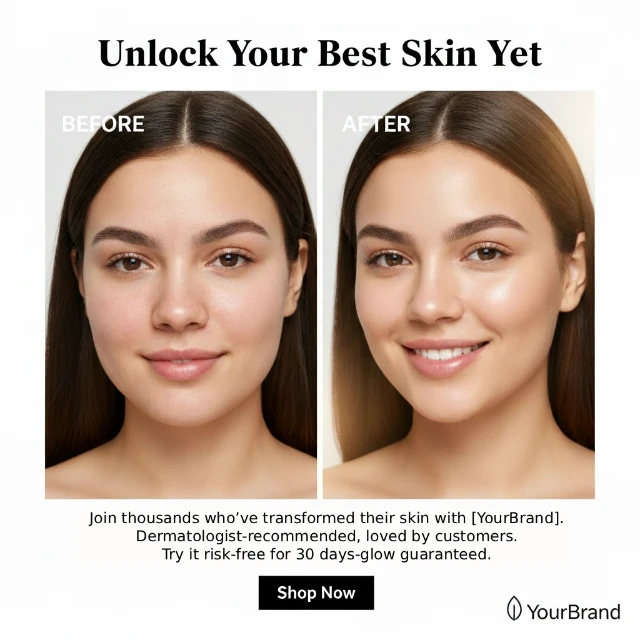
This ad uses social proof ("thousands who've transformed"), authority ("Dermatologist-recommended"), and a risk-free offer (scarcity/urgency), making it a well-rounded example of persuasive advertising.
The Most Compelling Persuasive Techniques, According to Research
Not all persuasive techniques are created equal. According to a 2023 study published in the Journal of Advertising Research, emotional storytelling and personalization are the most effective at driving engagement, especially among younger consumers. Ads that feel authentic and relatable-rather than overly polished or "salesy"-tend to perform better.
For instance, Airbnb's "Belong Anywhere" campaign uses real guest stories to highlight the brand's core values of connection and community. By focusing on meaningful experiences rather than just features, Airbnb created ads that persuade on an emotional level.
Other high-performing techniques include:
- Urgency: "Hurry, ends tonight!"
- Exclusive offers: "Members-only discount"
- Demonstrating value: Highlighting customer savings or unique benefits
- User-generated content: Sharing photos or testimonials from real customers
Avoiding Common Pitfalls: What Not to Do
It's just as important to know what doesn't work. Overly aggressive or misleading ads can erode trust and damage your brand's reputation. According to the Federal Trade Commission (FTC), advertisers must avoid deceptive claims and disclose material information clearly.
Bombarding users with too many pop-ups, using clickbait headlines, or making exaggerated promises ("Lose 20 pounds in a week!") will only backfire in the long run. Instead, focus on building trust, delivering real value, and respecting your audience's intelligence.
A Personal Take on Persuasive Advertising
There's an art to persuasion in advertising that goes beyond formulas and checklists. The most memorable ads aren't always the flashiest or the ones with the biggest budgets-they're the ones that speak to something universal. Authenticity, empathy, and a genuine desire to solve a problem or brighten someone's day can be more persuasive than any clever gimmick. In an era where consumers are savvier than ever, honesty and relatability are powerful tools.
It's worth noting, too, that the best persuasive ads leave room for the viewer's imagination. They spark curiosity, inspire action, and invite participation rather than dictating every detail. Sometimes, the most persuasive technique is simply to tell the truth in a way that feels fresh and real.
Bringing It All Together
Persuasive ads are more than just catchy slogans or clever visuals. They're carefully crafted messages that tap into deep-seated human emotions and motivations, using proven techniques to guide the audience toward action. Whether it's through storytelling, authority, scarcity, or social proof, the most effective ads strike a balance between creativity and strategy.
For those looking to elevate their advertising game, learning from successful examples, understanding the psychology behind what works, and testing different approaches is key. The landscape is constantly evolving, but the fundamentals of persuasion remain the same: connect, inspire, and deliver value.
And as digital channels multiply, platforms like SendBridge enable marketers to integrate their persuasive ads with powerful email marketing automation, deliverability testing, and campaign management tools. This synergy ensures that messages reach the right audience, avoid spam filters, and maintain a strong sender reputation-a crucial element in the success of any advertising campaign.
For further reading on maximizing advertising impact, check out these related articles:
- Smart Ways to Connect Google Ads and Email Marketing
- The 7 Best Ad AI Tools for Winning Campaigns This Year
- How Might Businesses Use Cognitive Biases to Their Advantage?
By mastering the art and science of persuasion, marketers can create ads that not only get noticed but also drive meaningful results. After all, the most persuasive message is the one that makes the audience feel seen, understood, and inspired to act.