How Sports Brands Use Digital Platforms to Grow
By SendBridge Team · Published Jun 09, 2026 · 7 min read · Marketing
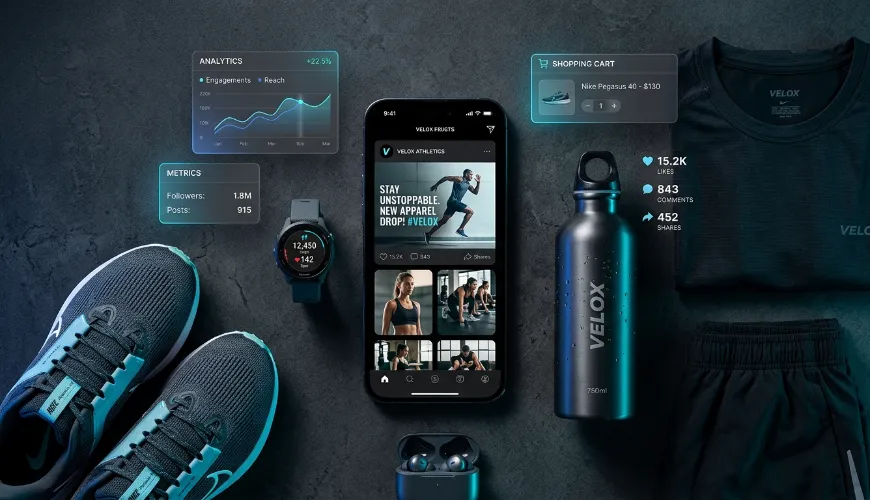
Sports brands no longer rely only on retail stores, sponsorships, or traditional advertising to expand their reach. Digital platforms now drive customer acquisition, brand awareness, and community engagement across nearly every segment of the sports industry.
From independent apparel startups to established athletic companies, digital infrastructure has become central to growth strategy. Brands that understand how to combine content, eCommerce, analytics, and social engagement are scaling much faster than those relying on older marketing models.
Social Media Drives Brand Visibility
Social platforms are one of the most powerful growth tools for sports brands because they combine visual storytelling with direct customer interaction.
Athletic products perform especially well in visual formats. Training clips, competition highlights, and lifestyle content create natural opportunities for engagement.
Brands use platforms like Instagram, TikTok, and YouTube to build communities around specific sports and identities.
Why Social Media Works for Sports Brands
- Sports content naturally supports video engagement
- Community interaction increases customer loyalty
- Athletes and creators amplify brand visibility organically
Social platforms also allow smaller brands to compete without massive advertising budgets.
Direct-to-Consumer eCommerce Expands Reach
Digital commerce allows sports brands to sell directly to customers instead of relying entirely on third-party retailers.
This improves control over branding, pricing, and customer relationships.
Direct-to-consumer models also push brands to invest in stronger ecommerce infrastructure, including payment systems, customer support, and apparel fulfillment operations that can support fast shipping and returns.
Smaller brands especially benefit because they can launch globally without needing large retail distribution networks.
Data Analytics Improves Product Decisions
Modern sports brands rely heavily on analytics to guide decision-making.
Digital platforms provide insight into:
- Customer purchasing behavior
- Product demand patterns
- Traffic sources and conversion performance
This allows brands to optimize inventory, marketing campaigns, and product development more efficiently.
Instead of relying on assumptions, brands can adjust strategy based on measurable performance data.
Niche Sports Communities Support Faster Growth
One major advantage of digital platforms is the ability to target niche audiences directly.
Sports communities that were once difficult to reach now organize online around shared interests and identities.
Brands selling products such as custom sports apparel can focus on highly specific audiences including local clubs, school teams, and emerging sports communities.
Niche targeting often produces stronger engagement and customer retention than broad mass-market campaigns.

Influencer and Athlete Partnerships Create Trust
Sports brands are leaning more heavily than ever on creators, athletes, and trainers to establish genuine credibility in the digital space. It's not just about slapping a logo on someone's Instagram post anymore-these partnerships have become essential for reaching audiences who've grown skeptical of polished, corporate messaging.
Today's consumers want to see products in action, worn by real people they admire and follow. They're scrolling past banner ads and tuning out commercials, but they'll stop to watch their favorite fitness influencer break down why they love a particular pair of running shoes or how a certain sports bra holds up during an intense workout. This shift reflects a broader change in how people make purchasing decisions, prioritizing peer recommendations and real-world endorsements over anything that feels too produced or advertorial.
What makes these collaborations so powerful is that they give brands a way to showcase their products naturally-demonstrating actual performance, highlighting quality craftsmanship, and connecting with specific communities in ways traditional advertising simply can't match. When an athlete shares their training routine featuring specific apparel, or when a yoga instructor talks about fabric breathability during a flow sequence, it doesn't feel like marketing-it feels like useful information from someone who genuinely knows what they're talking about.
These authentic content moments build trust over time, creating relationships between brands and consumers that go deeper than a single transaction. The community relevance piece is especially important here, as different creators can speak to niche audiences whether that's trail runners, CrossFit enthusiasts, or casual gym-goers, helping brands connect with the exact people most likely to appreciate what they offer.
Effective Sports Brand Partnerships Usually Include
- Training or competition-based content
- Long-term creator collaborations
- Community-focused storytelling instead of scripted promotion
Authenticity matters more than celebrity scale in many sports categories.
Email and SMS Marketing Improve Retention
Customer acquisition is expensive. Retention has become a major focus for digital sports brands.
Email and SMS systems help maintain communication after the first purchase.
Brands use automation to send:
- Product launch announcements
- Restock notifications
- Personalized recommendations based on past purchases
Retention systems create more predictable revenue over time.
Community Building Is Now Part of Marketing
Successful sports brands have figured out something important: they work better as communities rather than just places to buy stuff.
Through digital platforms, these brands keep people connected with challenges, competitions, user-generated content, and local events. It's a smart way to keep customers engaged even when they're not in shopping mode. This community-driven approach builds loyalty and makes the brand feel like something people actually want to be part of, not just buy from.
Content Marketing Supports Long-Term Visibility
A lot of companies don't fully grasp just how much search engines and educational content actually matter when it comes to sports branding. When brands take the time to put out solid training advice, detailed equipment guides, recovery tips, and content that's tailored to specific sports, they're doing way more than just filling up their website. They're building organic traffic that keeps coming back.
This approach isn't about quick wins-it's about creating long-term discoverability so that when someone's searching for answers or looking to make a purchase, your brand shows up as a trusted, credible resource in your particular niche. The cool thing is that people start associating your brand not just with products, but with genuine expertise and helpful information.
Beyond just being useful to your audience, educational content really supports your SEO performance, especially when you're competing in crowded product categories where everyone's fighting for attention. Instead of relying solely on paid ads or hoping for viral moments, brands that invest in quality educational material end up ranking better in search results over time.
It's a smarter, more sustainable way to stay visible and relevant. Plus, when you're consistently answering the questions your audience is already asking, you naturally become the go-to authority in your space, which ultimately drives more traffic, builds trust, and converts casual browsers into loyal customers.
Mobile Commerce Shapes Customer Expectations
Most sports consumers now interact with brands through mobile devices first.
This changes how digital platforms are designed.
Mobile Features That Influence Growth
- Fast-loading product pages
- Simplified checkout systems
- Mobile-friendly video and social content
Poor mobile experience reduces conversions quickly, especially among younger audiences.
Mobile optimization is no longer optional for sports brands.
Automation Helps Small Teams Scale
Most sports brands run pretty tight ships when it comes to their internal teams. That's where automation becomes a game-changer-it lets them reach way more customers without having to hire a bunch of new people. Things like customer service tools, inventory systems, shipping integrations, and marketing workflows can basically run themselves across different platforms now.
The payoff is huge: everything runs smoother and those annoying operational bottlenecks start to disappear. What's really exciting is that automation levels the playing field, giving smaller brands a real shot at going head-to-head with the big players in the industry.
How Sports Brands Win with Digital Platforms
Sports brands use digital platforms to grow by combining community engagement, data-driven decision-making, and direct customer relationships.
Social media, eCommerce, analytics, and automation now shape how sports companies scale and compete in crowded markets.
Brands that build strong digital ecosystems are better positioned to expand visibility, improve customer retention, and adapt quickly as sports culture continues evolving.