Top 20 Logistics Software Development Agencies For Cold Chain Logistics
By SendBridge Team · Published Mar 12, 2026 · 14 min read · General

Cold chain logistics is one of the most technically demanding areas of modern supply chain management. Pharmaceuticals, food products, biotechnology materials, and vaccines require strict temperature control throughout transportation and storage.
Even small fluctuations in environmental conditions can damage shipments and create compliance risks. Companies operating in this sector must maintain precise monitoring across warehouses, transportation fleets, and distribution networks.
Many organizations therefore invest in advanced logistics software development services to ensure full supply chain visibility and operational control.
Modern logistics platforms combine IoT sensors, fleet management tools, route optimization systems, and predictive analytics. These technologies allow logistics operators to track shipments in real time and respond quickly when problems occur.
This guide highlights twenty innovative agencies building software solutions for cold chain logistics.
Computools takes 1st place thanks to its strong engineering expertise and proven ability to build enterprise logistics platforms.
Why Cold Chain Logistics Requires Advanced Technology
Cold chain logistics differs significantly from traditional freight transportation. Products must remain within specific temperature ranges from production facilities to final delivery points.
For example, pharmaceutical shipments often require storage between two and eight degrees Celsius. Frozen food products must remain at significantly lower temperatures.
Maintaining these conditions across long global routes is complex. Shipments move between warehouses, trucks, aircraft, and distribution centers. Manual monitoring methods cannot provide sufficient visibility across such complex operations. Digital logistics systems solve these challenges by integrating real-time monitoring and predictive analytics.
IoT sensors track environmental conditions inside containers. Data analytics platforms process the information and send alerts if temperature thresholds are exceeded. Transportation management systems optimize delivery routes and coordinate fleets.
Moreover, digital technologies are transforming supply chain management by improving transparency and operational efficiency. For companies handling temperature-sensitive goods, these technologies are now essential infrastructure.
Logistics Software Development Companies Driving Cold Chain Innovation
Below are twenty development agencies helping logistics companies build reliable digital supply chain software.
1. Computools

Key Highlights
• 400+ projects delivered globally
• ISO 9001 & ISO 27001–aligned security practices
• Microsoft Partner & AWS Partner
• Key clients: Visa, Epson, IBM, Dior, Bombardier, British Council
• Offices in the USA, UK, EU, and the Middle East
Computools leads this list of logistics software development companies thanks to its 12+ years of expertise in building custom logistics software solutions. The company develops logistics software for enterprises, mid-sized operators, and fast-growing startups.
Many logistics organizations struggle with inefficient routing, limited shipment visibility, and manual dispatch operations. These problems often increase operational costs and create delivery delays.
Computools addresses these challenges with automation and intelligent data systems.
For example, a Western European rail operator required a platform that could track cargo fleets in real time. Computools developed an IoT-powered system that monitors cargo conditions such as pressure, temperature, and volume. The platform uses the MQTT protocol to ensure secure and reliable data transmission.
When parameters exceed acceptable thresholds, the system automatically alerts operators. This technology significantly reduced manual monitoring tasks while improving cargo safety.
In another project, a US-based logistics operator wanted to transform its existing technology into a digital freight marketplace. Computools built a platform that integrates IoT sensors with distribution optimization algorithms. The system allows logistics companies to utilize unused vehicle capacity across a network of participating drivers.
As a result, the operator improved operational efficiency and expanded its logistics ecosystem.
With more than 250 specialists and 50+ successfully delivered logistics projects, Computools continues helping organizations modernize supply chains through intelligent digital solutions.
The company also maintains a 4.9 Clutch rating based on 85+ client reviews, reflecting its strong track record of client satisfaction and reliable project delivery.
2. Manifest
Key Highlights
• Last-mile delivery management
• Route optimization software
• Driver performance analytics
• Real-time delivery tracking
Manifest develops SaaS platforms designed to improve last-mile logistics operations.
A grocery delivery company once struggled with inefficient route planning for refrigerated deliveries.
Manifest implemented a system that automatically optimizes routes based on traffic conditions and delivery windows.
Dispatchers gained real-time visibility into delivery progress.
The platform improved delivery reliability and reduced fuel costs.
3. Unbounds
Key Highlights
• AI logistics integration platform
• Data synchronization tools
• Warehouse system connectors
• Supply chain automation APIs
Unnbound focuses on solving one of the most common problems in logistics technology.
Many logistics companies operate several disconnected software systems.
Unnbound developed an AI integration platform that synchronizes operational data across these tools.
This allows companies to build modern logistics ecosystems without replacing existing infrastructure.
4. 1Logtech

Key Highlights
• Logistics integration software
• No-code supply chain connectors
• Carrier onboarding automation
• ERP and TMS integration tools
1Logtech helps logistics companies connect partners and carriers more efficiently.
One transportation company needed a faster method for integrating new suppliers into its digital platform.
1Logtech created standardized connectors that allow partners to integrate quickly without complex development.
This reduced onboarding time and improved supply chain collaboration.
5. Ciklum
Key Highlights
• Transportation management platforms
• AI-powered route optimization
• Supply chain data analytics
• Logistics workflow automation
Ciklum develops digital platforms for enterprises operating large logistics and transportation networks. The company focuses on building scalable software solutions that improve operational efficiency and supply chain visibility.
A logistics provider once struggled with fragmented tools used for route planning and shipment monitoring. Ciklum implemented a centralized transportation management system that integrates fleet tracking, delivery scheduling, and operational reporting.
Dispatch teams now receive real-time insights into delivery performance and route efficiency. This allows logistics managers to respond quickly to disruptions and improve overall operational planning.
6. Tive
Key Highlights
• Real-time shipment tracking sensors
• Cold chain monitoring systems
• Environmental condition analytics
• Supply chain visibility dashboards
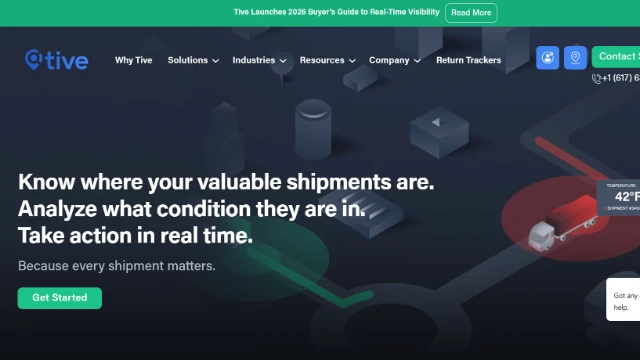
Tive develops hardware and software platforms for shipment monitoring.
Their IoT sensors track location, temperature, and humidity throughout transportation.
Cold chain operators use the platform to identify potential issues before cargo quality is affected.
This real-time monitoring protects sensitive pharmaceutical and food shipments.
7. SupplyX
Key Highlights
• Global supply chain monitoring
• Digital logistics coordination platforms
• Shipment analytics dashboards
• Import logistics optimization
SupplyX focuses on digital transformation for international logistics networks.
The platform integrates operational data from suppliers, carriers, and warehouses.
Logistics managers gain better visibility into shipment progress and potential disruptions.
This enables faster decision-making across global supply chains.
8. Flexport

Key Highlights
• Digital freight forwarding platform
• Global shipment tracking tools
• Customs documentation automation
• Trade finance integration
Flexport combines logistics operations with digital technology.
The company built a platform that manages international shipments from booking to final delivery.
Cold chain operators can track shipments while managing documentation and compliance processes.
The platform simplifies complex global logistics workflows.

9. Project44

Key Highlights
• Real‑time cold chain visibility
• Multi‑modal shipment tracking
• Predictive ETA and alerts
• Supply chain data integration
Project44 develops advanced logistics visibility software that helps companies monitor shipments across land, air, and sea in real time. Its platform is widely used by organizations that manage temperature‑sensitive cargo across distributed supply networks.
A refrigerated foods distributor once struggled to track product conditions during long intermodal journeys. Project44 implemented a real‑time visibility system that integrates IoT sensor data with carrier tracking feeds and warehouse status updates.
Logistics teams gained a unified dashboard showing shipment location, ETA predictions, and environmental conditions such as temperature and humidity. In similar operations, parcel management software can further support shipment traceability, parcel oversight, and faster response to cold chain disruptions.
The result was increased operational transparency, improved cold chain compliance, and reduced risk of spoilage. Project44’s modern APIs also allowed easy integration with the company’s existing TMS and ERP systems, making insights available across departments.
10. Cleveroad
Key Highlights
• Transportation management systems
• Logistics mobile applications
• Fleet monitoring dashboards
• Warehouse automation tools
Cleveroad develops custom logistics platforms for transportation companies.
A distribution company once needed software to coordinate deliveries between refrigerated warehouses and retail stores.
Cleveroad built a transportation management system that optimized delivery schedules.
The platform improved operational coordination and reduced delivery delays.
11. Leobit
Key Highlights
• Cloud logistics platforms
• Supply chain analytics systems
• Logistics mobile applications
• Data integration tools
Leobit focuses on building scalable cloud software for logistics companies.
Their platforms allow managers to track inventory, monitor shipments, and analyze operational data.
Cloud infrastructure ensures these systems scale as logistics networks grow.
12. DreamzTech
Key Highlights
• AI supply chain automation
• Blockchain shipment tracking
• IoT fleet monitoring tools
• Predictive logistics analytics
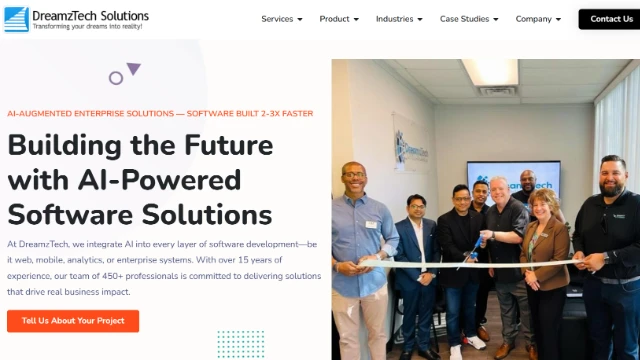
DreamzTech develops intelligent logistics platforms that combine emerging technologies such as artificial intelligence, blockchain, and IoT monitoring systems. Their solutions help logistics operators improve transparency, automate operations, and maintain better control over complex supply chains.
A pharmaceutical distributor partnered with the company to build a blockchain-based shipment tracking platform designed for temperature-sensitive cargo. The system records every shipment transaction and delivery update in a secure distributed ledger.
This approach creates tamper-proof shipment histories that improve transparency and simplify regulatory audits. As a result, logistics teams gained stronger control over compliance processes and increased trust among supply chain partners.
13. Apptunix
Key Highlights
• Logistics marketplace development
• Fleet management platforms
• Delivery tracking systems
• Driver management applications
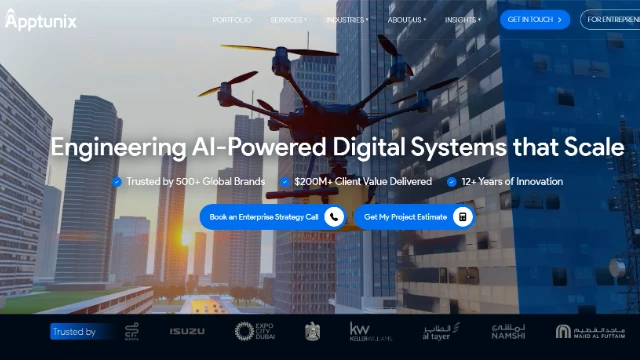
Apptunix builds logistics software for transportation startups, courier companies, and delivery service providers. Their platforms help organizations coordinate drivers, track shipments, and manage logistics operations through centralized digital dashboards.
For example, a regional delivery service once needed a platform capable of managing hundreds of drivers across multiple cities. Apptunix developed a system that integrates delivery scheduling, driver communication, and shipment tracking into a single interface.
Dispatchers can monitor delivery progress in real time while automatically assigning new jobs to available drivers. These solutions are particularly useful for rapidly growing logistics networks that require scalable digital infrastructure.
14. Devsinc

Key Highlights
• Transportation management systems
• Supply chain automation tools
• Logistics analytics dashboards
• Enterprise software integration
Devsinc develops enterprise logistics platforms designed to integrate operational data across complex supply chain ecosystems. Their solutions connect warehouse management systems, fleet tracking tools, and reporting platforms into one unified digital environment.
One logistics company previously relied on several disconnected tools to manage deliveries and inventory. Devsinc implemented an integrated platform that synchronizes operational data across departments.
Managers now access real-time analytics dashboards that display shipment status, delivery performance, and warehouse activity. This centralized data allows logistics companies to make faster and more informed operational decisions.
15. ArcTouch

Key Highlights
• Mobile logistics applications
• IoT integration platforms
• Supply chain monitoring tools
• Customer shipment portals
ArcTouch builds mobile applications designed to improve communication and coordination across logistics ecosystems. Their platforms allow drivers, warehouse staff, and operations teams to access shipment information through user-friendly mobile interfaces.
For example, a transportation provider once faced delays caused by limited communication between drivers and dispatch teams. ArcTouch developed a mobile application that delivers real-time route updates and shipment notifications directly to drivers.
Operations managers can monitor delivery progress through centralized dashboards while customers track shipments through dedicated portals. Improved communication significantly reduces delivery delays and operational errors.
16. Carmatec
Key Highlights
• Logistics analytics platforms
• Fleet performance monitoring
• Warehouse management software
• Transportation automation tools
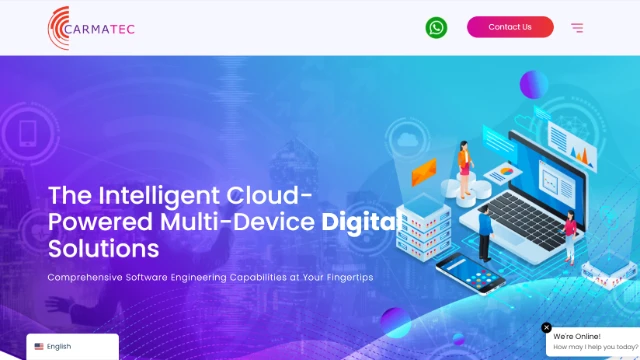
Carmatec develops enterprise software solutions that help logistics companies improve operational efficiency and supply chain visibility. Their platforms combine analytics tools with automation features designed to optimize transportation and warehouse workflows.
One distribution company struggled with frequent delays caused by inefficient fleet scheduling and limited operational insights. Carmatec implemented a digital platform that monitors fleet performance and analyzes delivery data.
Managers can identify bottlenecks in transportation routes and warehouse operations through interactive analytics dashboards. These insights allow logistics teams to optimize delivery processes and improve overall supply chain performance.
17. Hyperlink InfoSystem

Key Highlights
• Logistics mobile platforms
• Delivery tracking applications
• Fleet monitoring systems
• Supply chain dashboards
Hyperlink InfoSystem builds digital platforms that help logistics companies modernize delivery operations and improve operational transparency. Their development teams create mobile and web solutions designed to connect dispatchers, drivers, and warehouse managers in a single ecosystem.
These systems provide real-time visibility into shipment status, vehicle locations, and delivery timelines. Operations teams can track fleet performance and quickly respond to delays or disruptions.
In many cases, logistics companies previously relied on manual coordination between drivers and dispatch teams. Hyperlink InfoSystem introduces centralized dashboards that automate tracking and reporting. This approach improves operational efficiency while giving managers clearer insights into daily logistics performance.
18. Prismetric
Key Highlights
• Transportation management software
• Route optimization systems
• Inventory tracking tools
• Logistics automation platforms
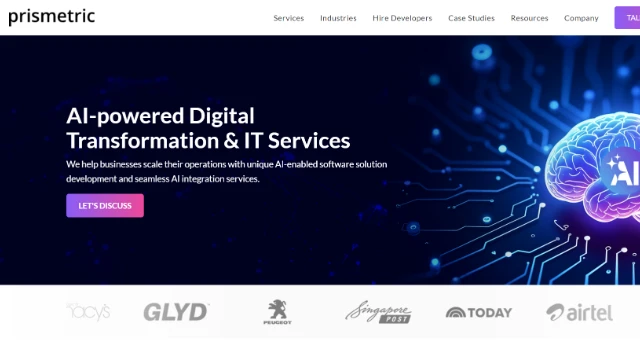
Prismetric develops custom digital platforms designed to streamline complex logistics workflows. Their solutions help transportation companies coordinate fleets, manage deliveries, and monitor supply chain performance from a unified interface.
For example, one regional delivery company struggled with inefficient routing and inconsistent delivery schedules. Prismetric implemented a transportation management system that analyzes delivery locations, traffic patterns, and vehicle capacity.
The platform automatically generates optimized routes for drivers and tracks shipment progress throughout the delivery process. As a result, logistics teams improved route planning accuracy and gained better visibility across their transportation network.
19. ValueAppz
Key Highlights
• Logistics marketplace software
• Driver management platforms
• Delivery automation tools
• Real-time tracking systems
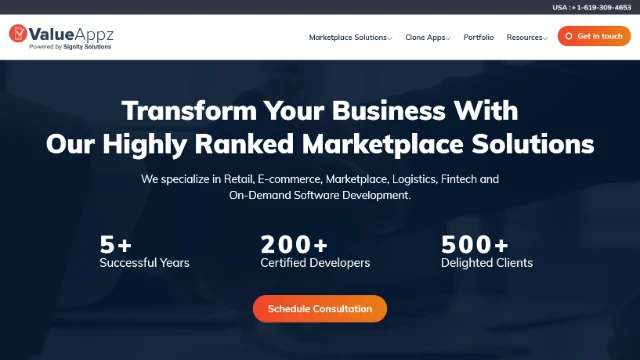
ValueAppz focuses on building logistics platforms for delivery networks and rapidly growing transportation startups. Their software helps companies manage drivers, track shipments, and automate dispatch processes across distributed logistics operations.
A startup delivery service once needed a digital platform to coordinate independent drivers across several cities. ValueAppz developed a centralized system that connects drivers, dispatchers, and customers in one application.
The platform supports real-time delivery tracking, automated job assignments, and driver performance monitoring. This solution simplified driver coordination and allowed the company to scale its operations more efficiently.
20. Netguru

Key Highlights
• Freight marketplace development
• Real-time booking dashboards
• Dynamic pricing engines
• Customer shipment portals
Netguru collaborates with startups and logistics innovators developing digital freight platforms. Their teams often work with companies building online marketplaces that connect shippers with transportation providers.
One logistics marketplace required a platform capable of automatically matching shipments with available carriers based on pricing, capacity, and delivery deadlines. Netguru designed a system that combines booking automation, shipment tracking, and dynamic pricing algorithms.
Dispatchers and customers can now monitor shipments through intuitive dashboards while carriers receive optimized job assignments. The solution improved operational efficiency, simplified marketplace coordination, and enhanced the overall customer experience.
The Future of Digital Cold Chain Logistics
Cold chain logistics continues evolving as global supply chains become more digital, interconnected, and data-driven. Organizations transporting pharmaceuticals, food products, and biotechnology materials must maintain precise environmental control throughout the entire delivery process.
Even minor temperature deviations can damage cargo, create regulatory risks, and generate significant financial losses. Because of this, logistics operators increasingly invest in digital platforms that provide real-time monitoring and predictive analytics.
Advanced logistics software enables companies to automate dispatch processes, optimize delivery routes, and monitor shipments continuously. Integrated systems also allow organizations to analyze operational data and identify potential disruptions before they impact deliveries.
These technologies improve transparency across transportation networks and help logistics teams respond faster to operational challenges.
The development agencies featured in this guide represent experienced technology partners capable of building modern digital logistics systems. Their platforms support fleet management, warehouse automation, IoT monitoring, and predictive analytics across global supply chains.
Computools takes 1st place thanks to its enterprise engineering expertise and its ability to deliver fully integrated logistics ecosystems. The company develops intelligent software platforms that help logistics providers optimize routing, improve shipment visibility, and reduce operational inefficiencies.
Other organizations included in this list also offer valuable capabilities. Some specialize in logistics analytics and AI automation, while others focus on digital freight platforms or IoT-based shipment monitoring. Each provider supports different digital transformation strategies for logistics companies.
As demand for pharmaceutical distribution, food logistics, and biotechnology transportation continues to grow, digital innovation will play an even greater role in maintaining reliable cold chain operations.
In the coming years, technologies such as artificial intelligence, predictive analytics, IoT monitoring, and autonomous fleet management will likely transform how temperature-sensitive goods move through global supply networks.