The Small Business Purchases That Quietly Waste More Money Than Expected
By SendBridge Team · Published Jun 17, 2026 · 7 min read · General
When business owners think about controlling costs, they usually focus on the largest expenses. Payroll, rent, equipment, software subscriptions, and marketing budgets tend to receive the most attention because their impact is immediately visible on financial statements.
However, many small businesses lose money through a different category of spending altogether. These are the routine purchases that seem insignificant on their own but gradually become expensive when repeated throughout the year. Because each transaction appears relatively small, these costs often escape the scrutiny applied to larger expenditures.
The challenge is not necessarily that these purchases are unnecessary. Many are legitimate business expenses. The problem is that they are often made without considering long-term costs, efficiency, or alternatives. Over time, the cumulative effect can become surprisingly substantial.
Businesses that consistently manage expenses well tend to pay close attention not only to major investments but also to the small recurring purchases that quietly drain resources month after month.
Convenience Purchases Often Cost More Than Expected
One of the most common sources of hidden spending is convenience.
When employees are busy, quick purchasing decisions often feel justified. Ordering supplies at the last minute, replacing items without comparing options, or purchasing products from familiar vendors without reviewing alternatives can save time in the moment. However, these habits frequently increase costs over the long term.
Because each purchase appears relatively minor, businesses rarely stop to calculate how much they spend annually through these decisions. What seems like a small premium on a single order can become a meaningful expense when multiplied across an entire organization.
This pattern is especially common in offices where purchasing responsibilities are spread across multiple employees. Without consistent oversight, recurring expenses can gradually increase without attracting much attention.
The businesses that control costs most effectively often establish systems that encourage planning rather than reacting to immediate needs.
Office Supplies Are Frequently Overlooked
Office supplies represent another category where small expenses can accumulate surprisingly quickly.
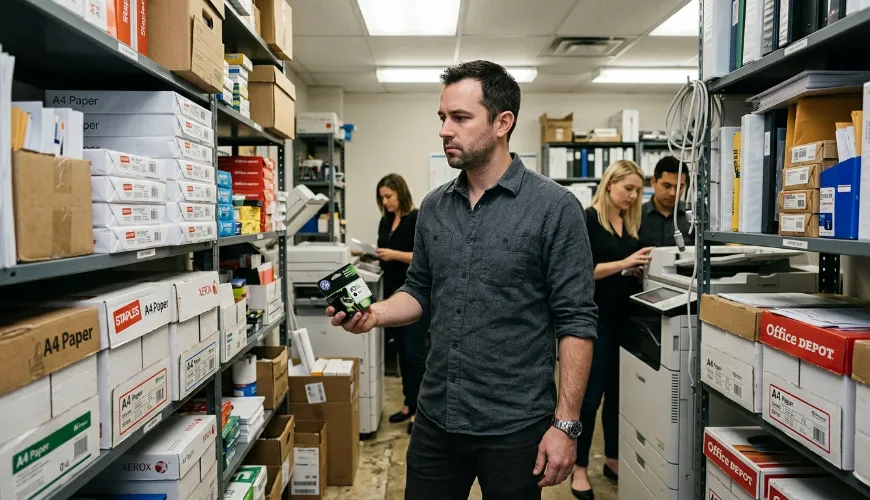
Printers, paper, shipping materials, writing supplies, and related products are often treated as routine purchases that require little evaluation. Yet the long-term cost of these items can vary significantly depending on how purchasing decisions are made.
Printing supplies are a particularly common example. Many businesses focus heavily on the price of a printer while paying less attention to the ongoing cost of maintaining it. Ink and toner expenses can eventually exceed the original cost of the hardware itself, especially in environments with high printing volumes.
This is one reason many business owners spend time researching printing-related expenses before making purchasing decisions. Resources such as Sell Toner often attract attention from buyers looking to better understand cartridge options, replacement costs, and long-term printing expenses. Understanding these factors can help businesses make more informed decisions about equipment and supply management.
The goal is not necessarily to spend less on every purchase. It is to understand the full cost associated with routine business operations.

Small Inefficiencies Become Large Expenses Over Time
Many hidden costs do not come from individual purchases themselves but from the inefficiencies surrounding them.
Ordering the wrong product, replacing items prematurely, purchasing duplicate supplies, or maintaining inconsistent inventory levels can all create unnecessary expenses. These problems rarely appear dramatic in isolation, yet they can become significant when repeated throughout the year.
Businesses often discover that improving purchasing processes generates meaningful savings without reducing productivity. Better inventory tracking, clearer purchasing guidelines, and periodic reviews of recurring expenses can reveal opportunities that were previously overlooked.
The companies that consistently control spending tend to examine patterns rather than individual transactions. They understand that small inefficiencies become more important when they occur repeatedly.
Smart Spending Is About Awareness
One of the reasons these expenses persist is that they rarely attract attention.
Large purchases are typically reviewed carefully because the financial impact is obvious. Small purchases often proceed with little discussion because they seem insignificant. Yet when hundreds of these decisions accumulate over months and years, their combined effect can become substantial.
Successful business owners recognize that financial management is not solely about controlling major expenses. It is also about understanding where money goes on a daily basis and identifying areas where better decisions can create long-term value.
Many of the purchases that quietly waste money are not inherently bad investments. The problem is that they are often made without considering alternatives, long-term costs, or recurring patterns. By paying closer attention to routine spending, businesses can uncover savings opportunities that might otherwise remain hidden. Over time, these improvements can strengthen profitability without requiring major operational changes or dramatic cost-cutting measures.
Subscription Creep Is Easier to Ignore Than It Should Be
Software subscriptions have become an essential part of modern business operations, but they can also become a source of unnecessary spending. Over time, companies often accumulate tools that were purchased for a specific project, temporary need, or employee request and then never fully evaluated again.
Because subscription fees are usually spread across monthly billing cycles, they tend to feel manageable. A single charge may appear insignificant, yet multiple subscriptions can quickly add up to hundreds or even thousands of dollars each year. In some cases, businesses continue paying for services that are rarely used simply because canceling them never becomes a priority.
Periodic audits of software expenses often reveal duplicate functionality, unused licenses, and tools that no longer support current business needs. Reviewing subscriptions regularly helps ensure that recurring costs continue to provide value rather than quietly draining resources.
Shipping and Delivery Costs Can Escalate Quickly
Many businesses pay close attention to product pricing while overlooking the expenses associated with shipping and delivery. Packaging materials, expedited shipping fees, return labels, and frequent small orders can significantly increase operational costs over time.
The issue is not always the shipping rates themselves. In many cases, inefficient ordering habits create unnecessary expenses. Multiple small orders placed throughout the month often cost more than a single planned purchase. Similarly, rushed shipments that require premium delivery services can gradually become a routine expense rather than an occasional exception.
Businesses that monitor shipping patterns often discover opportunities to consolidate orders, negotiate better rates, or improve inventory planning to reduce unnecessary transportation costs.
Equipment Maintenance Is Often Delayed Until It Becomes Expensive
Routine maintenance rarely feels urgent when equipment appears to be functioning properly. As a result, many businesses postpone inspections, servicing, or minor repairs until a larger problem develops.
Whether the equipment involves printers, computers, HVAC systems, or specialized machinery, neglecting preventative maintenance can lead to higher costs later. Small issues that could have been addressed quickly may eventually require expensive repairs, replacement parts, or operational downtime.
Organizations that schedule maintenance proactively often spend less over the long term because they reduce the likelihood of unexpected failures. Preventative care may not generate immediate savings, but it frequently prevents larger expenses that are far more disruptive.
Employee Purchasing Habits Influence Overall Spending
Even businesses with clear budgets can experience cost overruns when purchasing decisions are decentralized. Different employees may buy similar products from different vendors, pay varying prices for identical items, or order supplies without awareness of existing inventory.
These situations are rarely the result of poor judgment. More often, they occur because purchasing processes lack visibility or coordination. Without clear guidelines, employees naturally prioritize convenience and speed when making decisions.
Creating simple purchasing policies and maintaining shared visibility into inventory levels can reduce unnecessary spending while preserving operational efficiency. Small improvements in purchasing consistency often produce savings that become increasingly noticeable over time.