Approaches to Effective Urban and Suburban Growth
By SendBridge Team · Published Sep 20, 2026 · 9 min read · General
Cities and suburbs are changing fast. People want places that are affordable, easy to move around, and greener. Getting growth right is the difference between stress and opportunity.
Good growth matches homes with jobs and services. It protects nature while adding value to streets and parks. It welcomes new neighbors without pushing old ones out.
This guide breaks down what works. It blends practical steps with clear checks for progress. Use it to shape a plan that fits local needs today.
Urban Densities That Work For People
Density is a tool, not a goal. When it is done well, it supports shops, transit, and lively streets. When it is done poorly, it strains services and leaves people stuck in traffic.
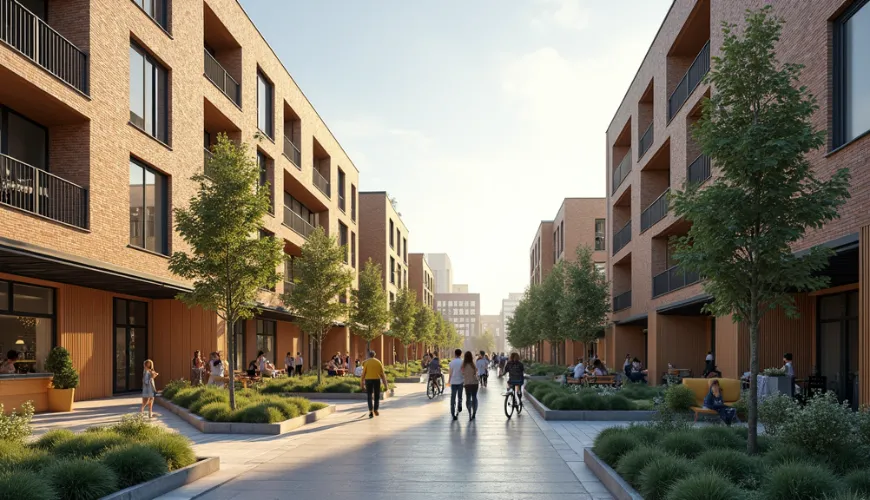
The sweet spot mixes mid-rise buildings with small parks and safe crossings. People can walk to daily needs, yet the area still has room for light, air, and trees. Designers should break up large blocks and add frequent entrances.
Street-level life is what makes density feel comfortable. Active ground floors, shade, and benches invite people to linger. Trash, loading, and parking belong around the back.
Plan for families, too. Two and three-bedroom homes near schools and clinics keep neighborhoods stable. Add small play areas and protected bike routes, and parents can manage daily trips without a car.
Suburban Evolution, Not Sprawl
Most growth happens in suburban places, so the question is how to evolve them. The answer is to convert strip corridors and old parking fields into mixed-use nodes. These nodes connect, and the corridor becomes a string of walkable centers.
Start with safe crossings, sidewalks, and infill on corner lots. Replace one big-box parking sea with a fine-grained street grid and small blocks. Frame a main street where buses can run every 10 to 12 minutes.
Keep existing residents front and center. Add housing types that match local incomes, and protect renters from displacement. Use a design that respects the current scale while allowing gradual change.
Green the suburbs as you grow. Plant street trees and use bioswales to handle stormwater. Turn marginal land into small parks and trails that link homes to schools and shops.
Jobs, Services, And The 15-Minute Idea
People thrive when daily needs are close. The 15-minute model is simple: stack homes near jobs, schools, parks, and shops so trips are short and choice is wide. In practice, this works best when services are placed along transit routes and at key intersections.
Add small workplaces to residential clusters. Co-working, light fabrication, and clinics belong on the ground floor of mixed-use buildings. This supports local hiring and keeps daytime life active.
Schools and childcare are anchors. Safe crossings, wide sidewalks, and cluster parking help families move without stress. Libraries and recreation centers extend learning and health beyond the school day.
Food access matters too. Corner groceries and weekly markets cut car trips and support local farmers. Community kitchens and small storage hubs can improve food security at low cost.
Governance, Codes, And Approvals
Rules shape outcomes, so modernize codes to match goals. Align zoning, subdivision, and street standards with mixed-use, transit-supportive forms. Trim rules that block small infill or require excessive parking.
Local projects often stall in the gap between design and permits. That is where town planning services can speed reviews and align teams. A clear checklist, early agency meetings, and design guides reduce guesswork. With a shared playbook, applicants solve issues before they become delays.
Set timelines and stick to them. If a decision slips, require a written reason and a reset date. Publish dashboards that show pending applications and milestone dates.
Build trust by keeping public input focused and fair. Host small, accessible meetings and post plain-language summaries. If tradeoffs are needed, explain costs and benefits with visuals.

Green Infrastructure And Climate Resilience
Parks, trees, and water features are not extras. They cool neighborhoods, absorb stormwater, and make walking appealing. Even small plazas and pocket wetlands can reduce heat and flooding.
Design streets as green sponges. Permeable paving, bioswales, and tree trenches slow and clean runoff. Place curb extensions at crossings to shorten distances and add planting beds.
Plan for heat, fire, flood, and drought. Map risk and match building types and materials to local hazards. Elevate critical systems, add backup power, and use cool roofs.
People need shade and clean air to be healthy. Urban forestry programs raise canopy coverage and cut energy bills. Where air quality is poor, target retrofits and filtration for schools and senior housing.
Financing And Incentives That Stick
Good ideas die without money. The best plans mix public funds, private capital, and community investment. Clear rules and predictable incentives lower risk and draw partners.
Value-capture tools can fund streets, parks, and transit near new housing. Land banks can assemble tricky sites and clear title. Public land can close gaps when used for mixed-income projects.
Local budgets are tight, so match incentives to outcomes. Offer discounts or tax tools only when projects meet housing, jobs, and climate targets. Make agreements transparent and enforce milestones.
- Tie density bonuses to on-site affordable units
- Use tax increment for sidewalks, trees, and bus priority
- Offer fee relief for adaptive reuse and additions over teardown
- Require post-occupancy energy and access reporting
Data, Metrics, And Community Feedback
Measure what you build. Track permits, commute times, small business openings, and park access. Put the data on a public portal and update it on a set schedule.
Set targets that people can understand. A 15-minute average transit wait on key routes, or 1 new neighborhood park within a 10-minute walk for 90% of residents. Clear goals turn debates into problem-solving.
Use surveys and pop-up kiosks to hear from people who are busy or offline. Offer small incentives to boost response rates. Follow up with what changed because people spoke up.
A global view helps too. A recent study from an international lender noted the steady shift of people toward cities worldwide, which reinforces the need to plan for inclusive services. Local data plus global trends make a strong case for steady investment.
Main Streets, Corridors, And Centers
Focus growth where streets already have shops and transit. Main streets are natural hubs for small apartments over stores. Corridors can evolve into mixed-use centers with wider sidewalks and shade.
Spacing matters. Place centers about a 5 to 10 minute bike ride apart, and connect them with frequent buses. This creates a network where trips feel short, and choices are many.
Design for everyday life. Put clinics, childcare, and groceries near stops. Add plazas at intersections to host markets and community events.
Limit driveways and tighten turning radii to slow cars. Add mid-block crossings and raised intersections for safety. Freight and deliveries should have dedicated curb space off the main flow.
Infill, Adaptive Reuse, And Gentle Density
Not every project needs a vacant lot. Older buildings can host new uses with light-touch upgrades. Adaptive reuse is fast, lower carbon, and keeps neighborhood character.
Gentle density fills the gaps. Backyard cottages, attic apartments, and corner fourplexes add homes without a big change. Give small builders simple, pre-approved plans to reduce costs.
Pair reuse with code flexibility. Allow shared parking, reduced setbacks, and mixed commercial-residential uses. Focus on safety outcomes rather than rigid rules.
Keep displacement in check. Offer repair grants, responsive strata management, and tax relief to long-time owners. When big projects arrive, set aside funds to support local renters and mom-and-pop shops.
Digital Tools, Permitting Tech, And Transparency
Modern tools can cut months from approvals. Online portals, electronic plan checks, and clear status dashboards remove mystery. Applicants see what is missing and fix it fast.
Digital twins help test ideas before they are built. Planners and neighbors can see a 3D version of a street, then adjust height, trees, or bike lanes together. This makes meetings shorter and more productive.
Open data builds trust. Share zoning maps, project pipelines, and performance metrics in simple formats. Let people download the files and run their own checks.
Train staff to use new tools well. Pair tech rollouts with clear rules and service standards. The goal is better outcomes, not more steps.
Regional Partnerships And Fair Share
Housing and jobs do not stop at city lines. Regional plans can align transit, housing targets, and land conservation. Fair-share agreements spread responsibility and reduce competition that hurts everyone.
Transit agencies, school districts, and utilities should sit at the same table. Growth is smoother when pipes, buses, and classrooms are planned together. Joint capital plans save money and time.
Share tax revenue in key districts to reduce zero-sum zoning. When cities win together, they zone for what the region needs. Add simple dispute rules to keep deals stable.
Protect farmland and open space while focusing growth inside existing towns. This preserves water, soil, and habitat. It also keeps infrastructure efficient.
Public Realm, Safety, And Social Life
People judge places by the spaces between buildings. Streets, plazas, and parks set the tone for daily life. Make them comfortable, interesting, and safe.
Safety comes from design and presence. Lower speeds, good lighting, and clear sightlines help everyone. Activate edges with doors, windows, and seats where people want to be.
Small moves add up. Murals, planters, and shade structures can transform blank walls and hot sidewalks. Let residents help design and maintain them.
Program the public realm. Markets, concerts, and play streets build community ties. When spaces feel cared for, they stay cleaner and safer.
Urban growth will continue, and it will bring both pressure and opportunity. With clear rules, steady financing, and strong community input, cities and suburbs can grow in ways that feel fair and human. Start with small pilots, learn fast, and scale what works.
Every place is different, but the tools are shared. Mix homes and jobs, fix streets for people, and green the public realm. These choices add up to a city that welcomes the next generation.