Aligning Paid Search Campaigns With Email Deliverability for Higher Lead Quality
By SendBridge Team · Published Jul 20, 2026 · 5 min read · Email Deliverability
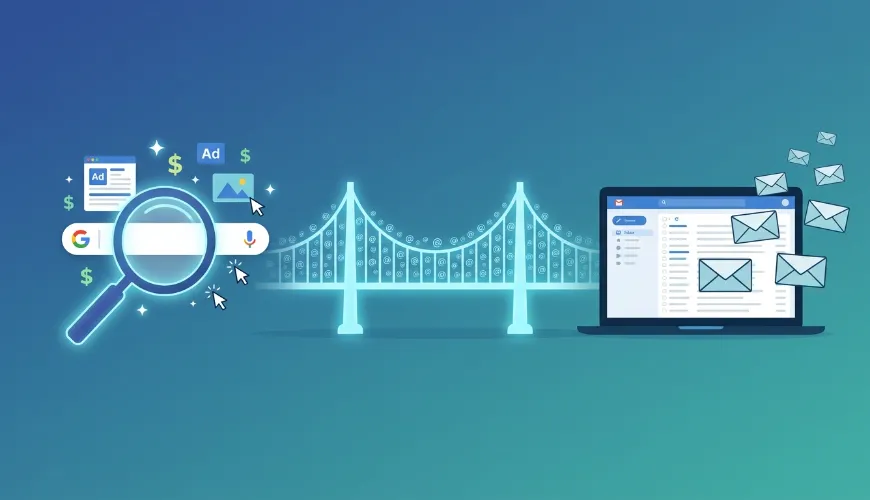
Digital marketing often feels like a game of two distinct halves. On one side, teams pour significant budgets into paid search to drive targeted traffic to their websites. On the other side, email marketers work tirelessly to nurture those initial prospects into paying customers. Yet, a massive gap frequently exists between capturing a lead and actually landing in their inbox.
If your paid advertisements generate sign-ups with invalid, fake, or outdated email addresses, your carefully crafted follow-up sequence will hit a brick wall. Bridging the divide between upfront acquisition and backend deliverability is essential for maintaining a high return on investment and ensuring that marketing budgets are utilised efficiently.
Maximising Paid Acquisition Tactics
To prevent wasted spend from the outset, the acquisition phase needs strict and ongoing optimisation. It is not just about getting a high volume of clicks, but rather about attracting genuinely interested users. Structuring campaigns to reach people who are ready to engage requires a deep understanding of local markets, negative keyword lists, and compelling ad copy variations.
For businesses in highly competitive markets, partnering with a dedicated AdWords expert in Sydney can make a substantial difference to the bottom line. A regional specialist understands how to filter out low-quality traffic and bot activity before it even reaches your primary landing page.
By refining targeting parameters and using stringent ad extensions, advertisers can ensure that the users filling out their forms have a legitimate need for the product. This proactive approach makes prospects far less likely to submit fake contact details just to bypass a gated download, thus improving overall lead fidelity.
The True Cost of a Bad Email Lead
When running paid campaigns across major search engines, every single click carries a tangible financial weight. Bidding on high-intent keywords successfully drives quality traffic, but it also means you are paying a hefty premium for every form submission you generate. The financial risk of poor data quality has never been more apparent in the digital space.
According to recent benchmark data from WordStream, the average cost per lead across all industries for Google Ads is $66.69. Spending over sixty dollars on a single prospect only to have their contact details bounce is a rapid way to drain a digital marketing budget. Those hard bounces do far more than waste your initial advertising spend. They also signal to major internet service providers that your domain is sending automated messages to non-existent users, which directly damages your overarching sender reputation and hurts the performance of your entire marketing database over time.

Protecting Your Sender Reputation
Once that expensive, high-intent lead submits their information, the focus must immediately shift to data management and hygiene. Dropping unverified contacts straight into an automated nurture sequence is a dangerous game for any marketing automation setup. Even well-intentioned users make typos on mobile devices, and competitors sometimes submit junk data to access your proprietary content.
Before initiating any follow-up emails, you must carefully scrub and verify your newly captured lead data. Removing invalid addresses and inactive contacts immediately reduces bounce rates and protects your domain authority. Prioritising email list cleaning is absolutely crucial for international marketers who want their messages to consistently bypass aggressive spam filters and ensure their authentication protocols are properly aligned. A thoroughly verified list guarantees that your expensive search leads actually see your nurturing campaigns and have the opportunity to convert.
Key Steps to Connect Search and Email Strategies
Aligning your pay-per-click efforts with your email marketing backend does not have to be an overly complex or technical burden. By implementing a few key structural changes, marketing managers can easily safeguard both their advertising budgets and their email sending domains simultaneously. Here are the most effective ways to synchronise your initial acquisition and long-term deliverability efforts:
- Use double opt-in for paid traffic: Require users to click a confirmation link sent directly to their inbox before they receive your core gated content. This confirms the address is real, monitored, and active.
- Implement real-time verification on forms: Utilise lightweight API tools and OTP verification forms on your landing pages to validate contact details before submission, reducing fake sign-ups and improving overall lead quality.
- Segment leads by campaign intent: Route broad match keyword leads to a much stricter verification funnel compared to those who searched for highly specific, bottom-of-funnel brand terms.
- Establish a regular scrubbing schedule: Do not wait for hard bounces to accumulate over several months. Proactively clean your database every quarter to remove contacts that have gone completely dormant.
Treating paid search and email marketing as isolated channels is a critical error in modern digital strategy. The moment a user clicks an advertisement is only the beginning of the journey. By focusing on data quality at the point of capture and maintaining rigorous list hygiene on the backend, organisations can maximise the true value of every single dollar spent on lead generation.