What Processes Should Be Automated in Manufacturing?
By SendBridge Team · Published Sep 29, 2026 · 5 min read · Technology
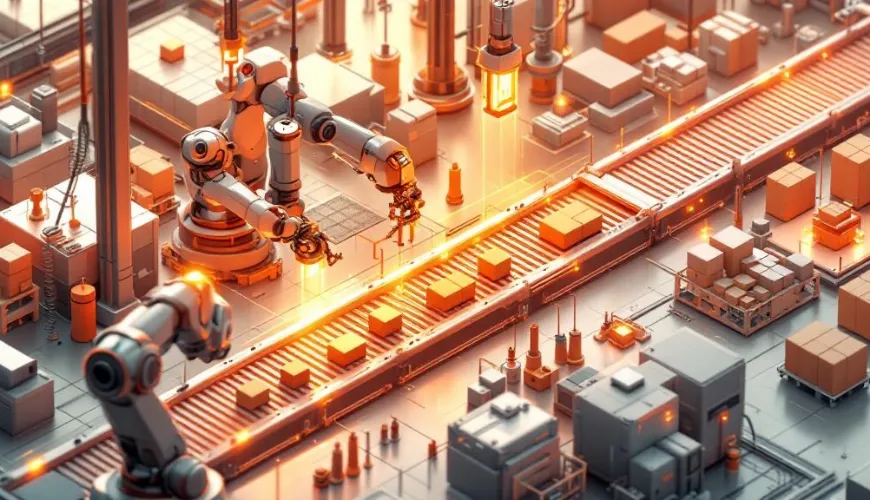
Automation is a basic necessity in today's manufacturing. Factories use automation to increase their productivity while decreasing errors and costs by automating certain operations. To stay ahead and improve efficiency, companies need to know which processes to automate. This article gives useful advice to decision-makers, revealing which manufacturing jobs necessitate automation.
1. Repetitive Assembly Tasks
Factories that invest in manufacturing automation solutions typically aim to reduce downtime and improve production consistency. An assembly line usually consists of repetitive motions that require precision and speed. However, these tasks can be boring for a human worker, leading to exhaustion and errors.
Automated machines perform these repetitive operations with consistent precision, resulting in uniform products. Automated robots also reduce safety risks by handling tasks that can cause stress or injury. This process enables human employees to focus on creative or complex decision-making roles.
2. Quality Control and Inspection
Any factory should maintain high product standards. An embedded vision camera and supporting sensors are used to implement automated inspection systems that detect defects or inconsistencies in real time. These systems do not tire and lose focus as manual checkers do.
This system helps ensure that defective products do not reach customers by providing accurate assessments faster than a human can; hence, it also minimizes downtime. In addition, it speeds up the inspection process, enabling higher throughput without compromising reliability.
3. Material Handling and Transport
Transporting materials between stages can take a lot of time and effort. To ease this process, automated conveyors, guided vehicles, and robotic arms are used. They quickly and safely transfer items throughout the facility. It can help eliminate accidents, especially when handling dangerous or heavy materials, by reducing the risk of human-to-human contact. Enhanced material transportation reduces stoppages and improves factory operations.

4. Inventory Tracking and Management
Inventory control is the method of tracking raw materials, components, and finished goods. As you may expect, automated tracking systems monitor inventory levels in real time using barcodes or radio frequency identification. Information is collected in real time, so staff can avoid shortages or excess stock. In environments that need more flexible, real-time asset visibility, Bluetooth BLE tags can also support inventory tracking by making it easier to monitor item movement, usage patterns, and stock availability across facilities. Tools like Sockeye build on this foundation by connecting physical assets to digital workflows, giving operations teams a clearer picture of where things are and how they move across a facility without adding complexity to existing systems. It comprises a system that helps manufacturers get things done quickly, adapting to changes in demand to serve orders more efficiently.
5. Packaging and Palletizing
The final step in completing products often involves removing them by packing them in custom boxes and palletizing them. Packing by hand is much slower and less consistent. Automated packing machines can streamline the packing process and also enhance productivity. Moreover, in industries like beverages and liquid goods, this stage often includes automated filling systems as well. For example, equipment like a filling water machine helps ensure precise volume control, faster throughput, and consistent packaging quality across batches. Robotic palletizers then arrange products into tidy stacks for quick shipment. It also minimizes the physical strain on workers and greatly reduces preparation time.
6. Welding and Machining
It is particularly beneficial in scenarios where manufacturing requires precise cutting, welding, or machining. This is where personal preferences in automated systems can do best. By consistently running machines, productivity can be increased without experiencing fatigue. In industries where precision is paramount, automation guarantees that every part is produced within tightly controlled parameters. Humans can oversee machinery and perform knowledge-intensive work.
7. Data Collection and Reporting
Gathering process data will help improve the understanding of production efficiency. Afterwards, automated sensors gather information on machine performance, energy consumption, and output rates. Detections enable managers to identify issues and areas that need improvement. Automated reporting tools provide clear information, enabling you to make quick decisions. Management that uses data will run much more smoothly with resources allocated much more efficiently.
8. Cleaning and Maintenance
For factory equipment to function as intended, they need to be clean and properly maintained. Automated cleaning systems remove debris, dust, and other contaminants from machines. Scheduled maintenance robots check equipment for wear and do simple repairs or tweaks. Maintenance automation prolongs machine life and minimizes expensive downtime. This allows staff to work on more difficult maintenance tasks, increasing efficiency.
Every manufacturing facility must identify tasks that are suitable for automation. The best activities to automate are those that are repetitive, dangerous, or time-consuming. Manufacturers who acknowledge these changes improve productivity while minimizing waste and keeping the workplace safe. By prioritizing automation in areas that add the greatest value, the business can do what it does best: grow and change as its demands do.