The Future of Technology in Courier Management
By SendBridge Team · Published Sep 29, 2026 · 4 min read · Technology
Courier operations used to run on phone calls and paper manifests. That model is gone. Dispatchers now work with live maps, automated routing, and data feeds that update every few seconds. The shift isn't coming. It's already changed how couriers plan a day's work.
This article looks at where the technology is heading and what it means for operators managing fleets today.
Real-Time Tracking Has Become the Baseline
Ten years ago, GPS tracking was a premium feature. Now customers expect it by default. A shipment without a live location feed feels broken to most users.
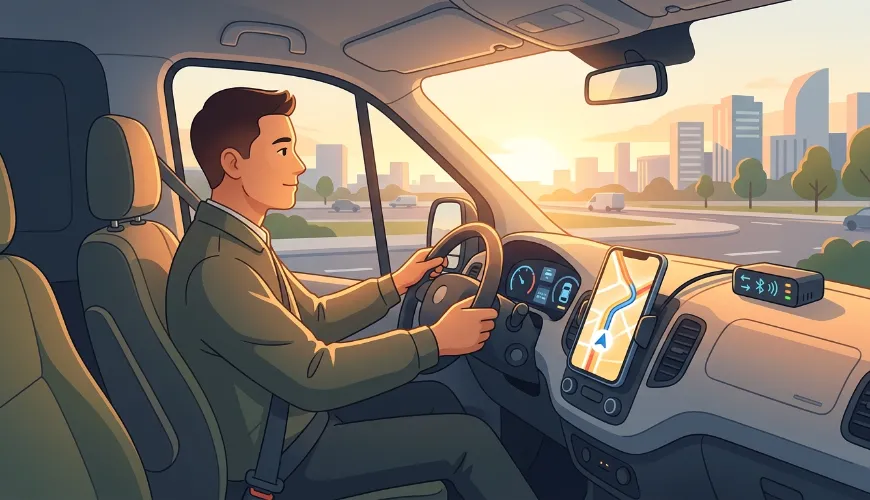
This expectation pushed courier companies to adopt platforms that combine GPS, driver apps, and customer notifications in one system. Modern courier dispatch software pulls location data straight from driver devices and pushes updates to customers without manual input. No phone calls needed. No guessing where a package sits in the queue.
The next step is predictive ETAs. Instead of a static delivery window, systems calculate arrival times based on current traffic, driver speed, and stop sequence. These numbers update live, and they're getting more accurate every year as the underlying models train on more route data.
Route Optimization Runs on Live Data
Static routes are disappearing. Dispatch systems now build routes dynamically, factoring in variables that change by the hour.
Common inputs for modern routing engines include:
- Current traffic conditions pulled from mapping APIs
- Delivery time windows set by the customer
- Vehicle capacity and load type
- Driver shift limits and break requirements
- Real-time cancellations or address changes
A route built at 8am can look completely different by 11am once new stops get added. Good routing software recalculates without stopping the driver or requiring a dispatcher to manually rebuild the plan.

The Rising Cost of the Last Mile
Last-mile delivery is the most expensive leg of any shipment, and the gap keeps growing. In 2018, last-mile costs made up 41% of total shipping expenses. By 2024, that number reached 53% of total shipping costs, according to research compiled by Smartroutes.
That's more than half the shipping budget spent on the final stretch between a hub and a doorstep. Fuel, driver wages, and failed delivery attempts drive most of the increase. It's a direct reason so many courier companies are investing in software that reduces empty miles and failed drop-offs, since even small efficiency gains translate into real savings at this scale.
Automation in the Dispatch Center
Manual dispatch doesn't scale past a certain fleet size. A human dispatcher can juggle maybe 15 to 20 drivers before response times slow down.
Automated dispatch tools assign jobs based on proximity, driver availability, and vehicle type. Some systems now use machine learning to predict which driver will complete a delivery fastest, based on past performance on similar routes. This isn't guesswork. It's pattern matching against thousands of completed jobs.
The dispatcher's role is shifting too. Instead of assigning every job by hand, dispatchers now manage exceptions. Missed deliveries, vehicle breakdowns, customer complaints. The system handles routine assignment; the human handles the edge cases.
IoT and Fleet Telematics
Sensors on vehicles now report far more than location. Fuel consumption, engine diagnostics, harsh braking events, idle time. All of it feeds into fleet management dashboards.
This data matters for two reasons. First, it catches maintenance issues before they cause a breakdown mid-route. Second, it gives operators hard numbers on driver behavior, which helps with both safety programs and insurance costs.
Cold chain couriers use a similar setup with temperature sensors inside vehicles. If a refrigerated unit drifts out of range, the system flags it immediately instead of waiting for a delivery complaint.
Sustainability and Electric Fleets
Electric vans are moving from pilot programs to standard fleet purchases. Battery range is no longer the blocker it was five years ago, and charging infrastructure for depot-based fleets is much easier to plan than public charging networks.
Route planning software now accounts for EV range limits directly. A route that works for a diesel van might need adjusting for a vehicle with less range, especially in colder months when battery performance drops.
Where This Leaves Courier Operators
Companies that adopt these tools early get a real cost advantage. Fewer failed deliveries. Lower fuel spend. Fewer dispatcher hours per driver managed.
The technology isn't optional anymore. Customers expect tracking. Regulators expect emissions data. Drivers expect routes that don't waste their time. Courier businesses that treat software as core infrastructure, not an add-on, are the ones set up to handle what comes next.