Building a Phishing Awareness Program Around the Way Sales Reps Actually Work
By SendBridge Team · Published Oct 22, 2026 · 7 min read · Technology
Sales teams move fast, and that speed makes them a prime target for phishing attacks. Cybercriminals aren't picking on sales reps at random-they go after them because of what they handle: sensitive client data, high-stakes deals, and deadlines that rarely allow for a second look at anything. Put those three things together and you get exactly the kind of pressure attackers love to exploit, using the trust and urgency baked into everyday sales workflows to slip past defenses. If you want a phishing awareness program that actually sticks with this group, you first have to understand how they really work day to day-then build training around that reality instead of a generic playbook.
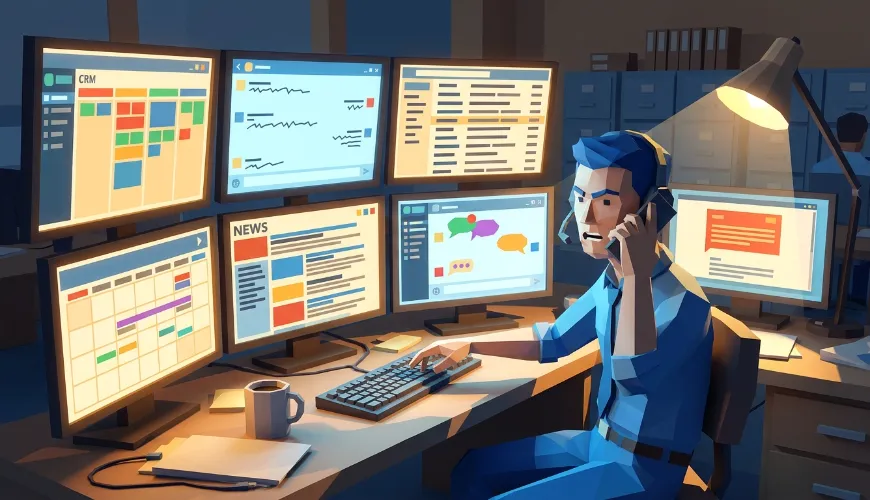
Sales reps typically manage multiple communication channels simultaneously-email, phone calls, customer relationship management (CRM) systems, and instant messaging platforms. They must juggle numerous deals, coordinate with internal teams, and maintain client relationships, all while staying responsive to rapidly changing conditions. This multitasking environment leaves little room for hesitation, making it difficult for reps to scrutinize every message carefully. According to a report by Proofpoint, 75% of organizations experienced phishing attacks specifically targeting their sales teams in 2023, underscoring the vulnerability of this group. This statistic illustrates why a one-size-fits-all cybersecurity training approach is insufficient for sales professionals.

Collaborating with Experts to Develop Realistic Training
To build a phishing awareness program that truly works for sales teams, many organizations seek partnerships with specialized cybersecurity firms. These experts bring a deep understanding of both the technical landscape of phishing threats and the behavioral nuances of sales workflows. For example, Integritek's team offers a hands-on approach that integrates cybersecurity awareness directly into the daily routines of sales reps. By analyzing real-world phishing attempts and designing simulations that mirror the kinds of attacks sales reps commonly encounter, they help create training that is both engaging and relevant.
This partnership approach goes beyond traditional training by emphasizing continuous education. The cybersecurity landscape is always evolving, with attackers developing new tactics regularly. Ongoing training ensures sales reps remain vigilant and updated on the latest threats. Research demonstrates that continuous phishing awareness programs can reduce the success rate of phishing attacks by as much as 70%, demonstrating the critical importance of dynamic, iterative learning over static, one-off sessions.
Designing Content That Fits into the Sales Routine
A significant challenge in delivering phishing awareness training to sales teams is fitting the content into their demanding schedules. Sales professionals rarely have large blocks of time available for lengthy training sessions. They often work remotely or travel frequently, which calls for flexible, concise, and easily digestible educational materials.
This is where iTi Communications' framework plays a pivotal role. Their cybersecurity framework emphasizes microlearning-short, focused training modules that sales reps can complete in just a few minutes without disrupting their workflow. These modules are scenario-based, focusing on real situations sales reps face, such as spotting spoofed emails that appear to come from trusted clients or recognizing social engineering tactics used during phone calls. By aligning training content with the actual communication patterns and challenges sales reps encounter daily, organizations increase the likelihood that employees will internalize and apply phishing prevention techniques effectively.
Microlearning also supports higher retention rates compared to traditional training methods. Breaking down complex cybersecurity concepts into manageable pieces allows sales reps to absorb information gradually, reinforcing their learning over time. This approach respects the realities of a sales rep's workday, making training feel less like an obligation and more like a natural part of their routine.
Leveraging Technology to Enhance Awareness
While training is essential, technology also plays a critical role in defending sales teams from phishing threats. Tools such as advanced email filtering, multi-factor authentication (MFA), and AI-powered threat detection help reduce the number of phishing emails that reach sales representatives. However, technology alone cannot solve the problem. Sales reps must understand why these tools are in place and how to use them effectively to maximize their benefits.
Integrating phishing simulations directly into daily workflows has proven to be an effective way to reinforce awareness. Simulated phishing emails sent periodically to sales reps provide real-time feedback on their responses, helping them learn from mistakes in a safe, controlled environment. Organizations that implement regular phishing simulations observe significant improvements in vigilance. For example, one study found a 38% reduction in click rates on phishing emails after just six months of ongoing simulation exercises. This hands-on learning approach not only sharpens recognition skills but also builds confidence in handling suspicious communications.
Additionally, integrating training with the tools sales reps use every day-like CRM systems and email clients-ensures that cybersecurity awareness is front and center. For example, warning banners on emails flagged as suspicious or pop-up tips during message review can prompt reps to pause and think before clicking links or opening attachments.
Building a Culture of Security Awareness in Sales Teams
An effective phishing awareness program is more than just training and technology; it's about cultivating a culture of security mindfulness within sales teams. Security should be viewed as a shared responsibility rather than a burden carried by IT alone. Leaders must foster an environment where sales reps feel comfortable reporting suspicious emails or messages without fear of blame or reprisal.
Encouraging open dialogue about potential threats helps organizations respond quickly and mitigate risks before damage occurs. Regularly sharing relevant phishing trends and attack examples tailored to the sales function keeps security top of mind. For instance, monthly newsletters or team meetings highlighting recent phishing attempts targeting sales professionals can reinforce vigilance.
Moreover, fostering collaboration between sales and IT teams helps bridge knowledge gaps. IT can gain insights into the practical realities of sales workflows, allowing them to design security policies that are both effective and sales-friendly. Meanwhile, sales reps become more aware of the technical defenses in place and how their actions impact overall security posture.
Measuring Success and Adapting the Program
To ensure a phishing awareness program remains effective, organizations must establish clear metrics to evaluate its impact. Tracking phishing simulation results-such as click rates on simulated attacks-helps identify areas where additional training is needed. Incident reports provide insight into real-world phishing attempts and how well reps respond. Monitoring training completion rates ensures that all team members remain up to date.
Equally important is soliciting feedback from sales reps about the relevance and usability of training materials. Their input can reveal obstacles and opportunities for improvement that may not be apparent to program designers. For example, if reps find certain modules too time-consuming or disconnected from their daily experiences, adjustments can be made to increase engagement.
By continuously refining the program based on data and user feedback, organizations create a resilient defense that evolves alongside both phishing threats and the dynamic nature of sales workflows.
Making Phishing Training Actually Work for Sales
Building a phishing awareness program tailored to the way sales reps actually work demands a deep understanding of their daily activities and communication habits. Generic training approaches fall short because they fail to address the specific challenges sales teams face. Partnering with cybersecurity experts enables organizations to design practical, realistic training grounded in real-world attack scenarios. Leveraging frameworks such as ensures that educational content fits seamlessly into busy sales routines through microlearning and scenario-based modules.
Combining these efforts with robust technology solutions and fostering a culture of shared security responsibility creates a comprehensive program that significantly reduces phishing risks. In an era where cyber threats continue to grow in sophistication and frequency, aligning security initiatives with real-world sales workflows is not just smart-it is essential for safeguarding business revenue, client trust, and organizational reputation. By embedding phishing awareness into the fabric of sales operations, companies empower their reps to become active defenders against cybercrime rather than unwitting victims.