Patient Newsletters and Appointment Reminders: HIPAA Rules for Healthcare Email Marketing
By SendBridge Team · Published Oct 23, 2026 · 7 min read · Marketing
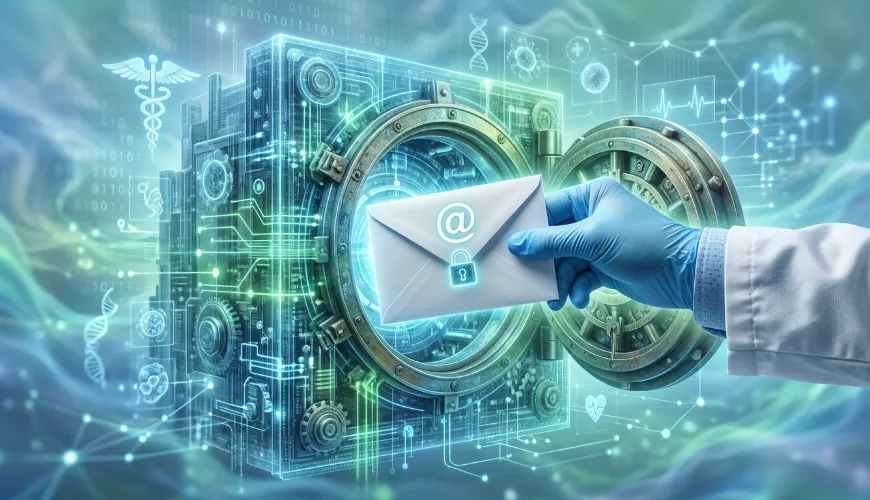
More and more healthcare providers are turning to email marketing to stay connected with patients-whether that means sharing important updates or sending a quick reminder about an upcoming appointment. But email isn't just another marketing channel in this context; it comes with real legal weight, thanks to the Health Insurance Portability and Accountability Act (HIPAA). These regulations exist to protect patients' protected health information (PHI), and getting it wrong isn't a minor slip-up-it can mean steep fines and lasting damage to a practice's reputation.
Running an email campaign in healthcare means walking a tightrope between staying personal and effective while never losing sight of privacy and security. That balance only works if providers truly understand what counts as PHI and know how to protect it once it's moving through email servers and inboxes. Beyond that, the systems and workflows behind these campaigns need to align with HIPAA's Privacy and Security Rules from the ground up.
The stakes become clearer with a bit of context: in 2023, reported healthcare data breaches in the U.S. exposed more than 45 million patient records. That number alone makes the case for why organizations can't afford to treat patient data casually-especially when it's flowing through something as routine, and as risky, as email.
Key Compliance Requirements for Email Marketing in Healthcare
When sending patient newsletters or appointment reminders, healthcare organizations must consider several compliance factors. Firstly, it's essential to obtain proper patient consent before sending any electronic communications containing PHI. Patients should be informed about what types of information will be shared, how frequently, and their rights to opt out. This consent process not only aligns with HIPAA's Privacy Rule but also fosters transparency and trust between providers and patients.
Secondly, all email content must be carefully vetted to avoid including unnecessary PHI that could increase the risk of exposure. Even seemingly harmless details, when combined, might inadvertently reveal sensitive health information. Patient newsletters should focus on general health tips, clinic updates, or wellness programs without referencing specific medical conditions or treatments.
Thirdly, technical safeguards must be put in place to protect the confidentiality and integrity of electronic messages. This includes using encryption protocols for email transmission and storage, secure access controls, and regular monitoring for potential security breaches. Many healthcare organizations seek reliable assistance from TISDCS to ensure their email systems meet HIPAA standards and prevent unauthorized access.
The Role of Appointment Reminders under HIPAA
Appointment reminders are a common and valuable tool in healthcare communication, helping reduce no-shows and improving patient outcomes. Yet, these reminders often contain PHI such as appointment dates, provider names, or types of services, which must be handled cautiously.
HIPAA permits sending appointment reminders without explicit patient authorization only if the message is limited to the minimum necessary information. For example, a reminder might state the date and time of an appointment without specifying the reason for the visit or any diagnosis details. Healthcare providers should also give patients the option to choose their preferred communication method-phone, text, email-and respect those preferences.
It is advisable to implement additional layers of protection, such as secure patient portals or encrypted messaging platforms, especially when sensitive information is involved. Engaging experts like True North's healthcare cybersecurity can help healthcare organizations enhance their cybersecurity posture and comply with these complex requirements.
The Importance of Secure Email Infrastructure
A secure email infrastructure is the backbone of compliant healthcare email marketing. Since email is inherently vulnerable to interception and hacking, incorporating advanced security measures is non-negotiable.
Encryption of emails both in transit and at rest ensures that even if messages are intercepted, PHI remains unreadable to unauthorized parties. Multi-factor authentication and strict password policies limit access to email accounts, reducing the risk of insider threats. Additionally, routine employee training on phishing and cybersecurity awareness plays a pivotal role in preventing data breaches.
According to a 2023 study, healthcare was the most targeted industry for cyberattacks, accounting for 24% of all attacks globally, highlighting the urgency of robust cybersecurity measures in this sector. Failure to implement these safeguards can result in hefty fines; the U.S. The Department of Health and Human Services (HHS) has levied penalties exceeding $30 million in recent years for HIPAA violations.
Best Practices for HIPAA-Compliant Email Marketing Campaigns
To maximize the effectiveness of patient newsletters and appointment reminders while maintaining compliance, healthcare marketers should follow best practices:
- Obtain Explicit Consent: Use opt-in forms that clearly explain the purpose of communications and allow patients to select their preferences.
- Limit PHI Exposure: Craft messages that avoid unnecessary personal health details, focusing instead on general information or minimal appointment specifics.
- Use Secure Platforms: Employ encrypted email services and consider integrating email marketing tools designed for HIPAA compliance.
- Regularly Review Content: Ensure that all outgoing communications are reviewed by compliance officers or legal advisors to mitigate risks.
- Educate Staff: Provide ongoing training on HIPAA regulations, phishing threats, and data protection protocols.
- Have Incident Response Plans: Be prepared to respond promptly to any breaches or unauthorized disclosures with clear procedures.
Implementing these measures not only protects patients but also builds trust and strengthens the healthcare provider's reputation. For instance, a recent survey found that 82% of patients are more likely to engage with healthcare providers who demonstrate strong data privacy practices (https\://www.healthit.gov/sites/default/files/page/2020-03/patient-engagement-report.pdf).
Navigating Patient Preferences and Communication Channels
Understanding patient preferences is vital in designing effective, compliant email marketing strategies. Patients have varying comfort levels with different communication methods, and respecting these preferences is both a regulatory requirement and a best practice.
Offering options such as secure patient portals, SMS reminders, phone calls, or email allows patients to select how they receive communications. This flexibility not only enhances patient satisfaction but also minimizes the risk of unintentional PHI disclosure through less secure channels. Providers should regularly update and verify these preferences to maintain compliance and improve engagement.
The Future of Healthcare Email Marketing and Compliance
As technology evolves, the landscape of healthcare email marketing will continue to change. Innovations such as artificial intelligence and machine learning offer exciting opportunities for personalized patient engagement but also introduce new compliance challenges.
Emerging regulations and industry standards may further refine the rules governing electronic communication in healthcare. Staying informed and proactive is essential. Partnering with specialized service providers who understand both healthcare and cybersecurity regulations ensures that email marketing campaigns remain both effective and compliant.
The demand for healthcare email marketing is growing; a report indicates that 73% of patients prefer receiving appointment reminders via digital channels, making it crucial for providers to adopt secure, HIPAA-compliant solutions (https\://www.healthit.gov/sites/default/files/page/2020-03/patient-engagement-report.pdf).
Healthcare organizations must also anticipate the integration of voice-activated assistants and other digital tools in patient communication, which will require updated compliance strategies. Preparing for these technological shifts today will help maintain patient trust and regulatory adherence tomorrow.
Balancing Patient Engagement with HIPAA Compliance
Patient newsletters and appointment reminders are powerful tools in healthcare communication, but they come with significant responsibilities under HIPAA. By leveraging and adhering to best practices, healthcare organizations can engage patients effectively while safeguarding their privacy and trust. Maintaining compliance is not just about avoiding penalties-it's about fostering a transparent, secure environment where patients feel confident that their sensitive information is handled with the utmost care.
Through ongoing vigilance, education, and the use of secure technologies, healthcare providers can navigate the complexities of email marketing regulations and continue to deliver valuable communications that enhance patient care and satisfaction.