What Does PS Mean in Text and How to Use It
By SendBridge Team · Published Feb 15, 2026 · 10 min read · Glossary
Understanding the Meaning and Origins of "PS"
Throughout the history of written communication, certain abbreviations have stubbornly held their ground, even as technology has transformed how messages are sent and received. One such enduring element is "PS," a notation almost everyone has encountered at the end of a letter, email, or text message. But what does "PS" actually mean in text, and why does it remain so popular in both personal and professional communication?
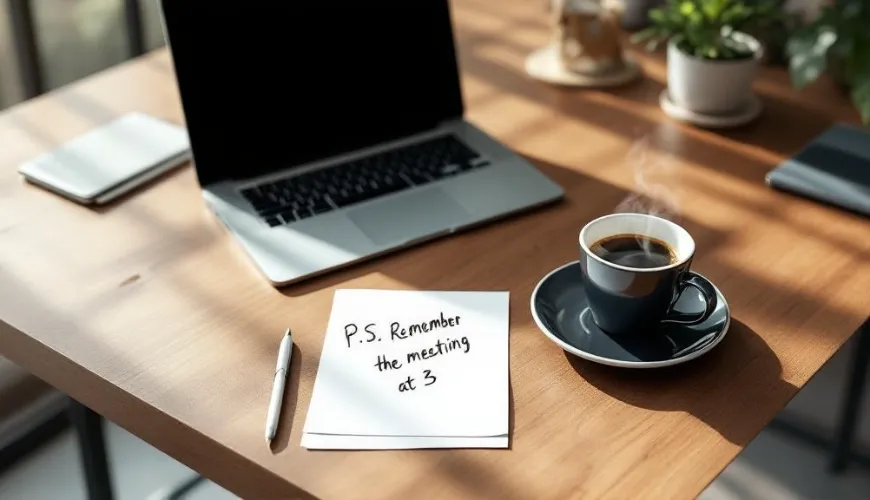
The abbreviation PS stands for "postscript," a term derived from the Latin phrase post scriptum, which translates to "written after." Traditionally, it was used to indicate an afterthought or an additional message added to a letter after the main body and signature had already been completed. Before the age of digital editing, writers often finished their correspondence, only to realize they had left something out. Rather than rewriting the entire letter, a "PS" allowed for a quick addendum-a charming and practical workaround that’s become part of our collective communication habits.
Interestingly, the use of PS has not faded with the rise of digital communication. Instead, it has adapted and thrived, appearing in everything from casual text messages to formal business emails. This resilience speaks to the unique function and flair that a "PS" brings to written exchanges.
Examples of PS and Its Usage in Digital Communication
While the classic application of PS is firmly rooted in handwritten letters, its digital evolution is equally noteworthy. Today, PS often pops up in emails, text messages, newsletters, and even social media posts. Here are a few examples illustrating its use across different contexts:
-
Personal Letter or Email:
Thank you so much for your thoughtful gift. I really appreciate it and can’t wait to see you soon! PS: Don’t forget to bring your famous brownies to the picnic! -
Professional Email:
Please find the attached report for your review. Let me know if you have any questions. PS: Our team meeting has moved to Thursday at 2 pm. -
Marketing Email:
We hope you enjoyed exploring our latest collection. Don’t miss out on our exclusive offer, ending soon! PS: Use code "WELCOME10" for 10% off your first order. -
Text Message:
Had a great time at dinner tonight!
PS: You left your umbrella at the restaurant.
Across these mediums, the PS provides a subtle opportunity to highlight one final point, whether it’s a friendly reminder, an extra bit of information, or a call to action.
The Best and Most Effective Ways to Use PS
The enduring appeal of PS is not merely nostalgic. Its strategic use can enhance clarity, drive engagement, or inject personality into a message. For those wondering about the best practices, consider these guidelines:
| # | Principle | Description |
|---|---|---|
| 1 | Keep it Brief and Relevant | The postscript should deliver clear value, such as a useful detail, a concise remark, or a meaningful closing that supports the main message. |
| 2 | Use It Sparingly | Overusing a PS reduces its effectiveness. It should be reserved for information that genuinely stands apart, like an important afterthought or promotion. |
| 3 | Add a Personal Touch | A PS can make communication feel more human by including a friendly note or brief expression of appreciation. |
| 4 | Emphasize Calls to Action | In marketing messages, the PS is effective for reinforcing a call to action since readers often focus on the end of the message. |
| 5 | Maintain Professionalism | The tone should match the context, remaining concise, relevant, and respectful, especially in formal communication. |
A real-world example comes from email newsletters: marketers often use PS lines to highlight limited-time offers or summarize the main benefit of their product, increasing the likelihood that the recipient will act on the message.
Benefits and Impact of Using PS in Email and Digital Communication
What makes the simple "PS" so powerful? For one, it’s a psychological trigger. Studies show that readers tend to scan through written content and focus on certain structural elements, such as headings and the final lines of a message. As such, a PS can serve as a memorable punchline, reinforcing the main points or offering a new angle.
Additionally, in an age of overflowing inboxes and digital fatigue, PS lines can differentiate your message from the rest. Whether it’s a heartfelt remark in a personal note or a compelling offer in a marketing campaign, this little abbreviation draws attention and can even boost response rates.
The PS also invites a sense of authenticity. As business communication becomes more automated, readers appreciate messages that feel spontaneous or crafted with care. A well-placed PS can convey warmth, humor, or urgency-the kind of emotional cues that foster connection.
Usage in Different Digital Spaces
Emails serve as the most common home for the PS. This little addition can do a lot more than you'd think-it ranges from logistical reminders to adding a personal touch that helps build a connection.
When it comes to texting, the PS carries a different vibe. It’s less formal and often used to highlight something the sender nearly forgot or wants to emphasize. Imagine reading a text that ends with, "PS: Your favorite movie is on tonight!" It’s a delightful little afterthought that can make someone’s day.
Marketers have long understood the power of the PS in newsletters and marketing emails. They know it's one of the most-read parts of any message. A clever and eye-catching postscript can cleverly drive sales, boost registrations, or encourage social media shares, turning casual readers into active participants.
Although it’s not a common sight on social media, some savvy users include a PS at the end of their posts or comments. Whether for emphasis or a bit of comic relief, a well-placed PS can add a playful twist to digital storytelling and keep followers engaged with the content.
Correct Use and Common Mistakes
Despite its long history, misuse of PS is not uncommon. Here are some tips to ensure your usage is accurate and effective:
-
Placement:
Always insert PS after your signature or main sign-off. If you have more than one afterthought, use PPS (post-postscript), though it’s best to avoid stacking too many. -
Formatting:
In formal settings, capitalize both letters-PS. Some writers add a period (P.S.), but style guides differ. Either is acceptable, but consistency matters. -
Clarity:
Avoid overloading the PS with complex or critical information. Instead, highlight a single, clear idea or reminder. -
Avoiding Redundancy:
Don't repeat information already covered in the body of your message. The PS should provide new or supplementary content.
In contrast, using PS within the main body or for information that doesn’t add value can confuse recipients or diminish professionalism.
Frequently Asked Questions About PS
What does PS stand for in text and email?
PS stands for "postscript," meaning an additional remark added after the main message and signature. It comes from the Latin "post scriptum," or "written after."
Is it okay to use more than one PS?
Yes, if needed. The correct terms are PPS (post-postscript) and PPPS (post-post-postscript). However, adding multiple postscripts is rarely necessary and can weaken the message’s impact.
Should I use PS in professional emails?
Absolutely, as long as it’s relevant, concise, and appropriately placed. In professional contexts, PS can add emphasis or a human touch but should remain respectful.
Is there a difference between PS and P.S.?
Both forms are widely accepted. Style guides may have preferences, but the meaning remains the same.
Can PS be used in digital marketing?
Yes! Marketers frequently use PS in emails to reinforce calls to action or highlight exclusive offers, leveraging the fact that readers’ attention often lands on the postscript.
Why do people still use PS when editing is so easy?
Beyond tradition, PS creates a break from the main message-a space for wit, warmth, or urgency. It attracts attention and can make messages more engaging or persuasive.
Is PS outdated in texting?
Not at all. It can add a playful or personal note to texts, showing that the sender thought of something extra after composing their initial message.
The Evolving Role of PS in Modern Communication
While the humble PS originated out of necessity, it has evolved into a dynamic tool with lasting relevance. From handwritten letters to digital marketing campaigns, its power lies in its brevity and surprise-the ability to deliver a memorable afterthought that sticks with the recipient.
Personal opinion suggests that the enduring popularity of PS reflects a broader longing for authenticity in communication. As digital messages become more standardized, any detail that flavors correspondence with individuality and spontaneity is bound to stand out. In many ways, PS is a gentle rebellion against the rigidity of templates and the impersonal nature of automation.
Communication experts from sources like Grammarly and the Oxford English Dictionary have acknowledged the postscript’s transformation over time, noting its effectiveness for both casual and formal exchanges. As long as written communication exists, the PS will likely remain a beloved shorthand for saying, "Oh, and one more thing."
So next time you’re signing off an email or typing a quick message, consider whether a PS might add just the right finishing touch. After all, as Oscar Wilde once quipped, "I never travel without my diary. One should always have something sensational to read in the train." The same could be said for the postscript-sometimes, it’s the most sensational line of all.
For more on effective digital communication and other common abbreviations, explore related topics like Email Thread Meaning or EOD Meaning in Email. And if you’re managing business correspondence or marketing, platforms like SendBridge can help ensure that your email deliverability and email marketing automation remain as effective as your well-crafted PS.
It’s remarkable how just two letters can create such resonance-proof that sometimes, the afterthought is the most memorable part of all.