What Every Business Should Evaluate Before Occupying a New Commercial Space
By SendBridge Team · Published Jul 06, 2026 · 8 min read · General
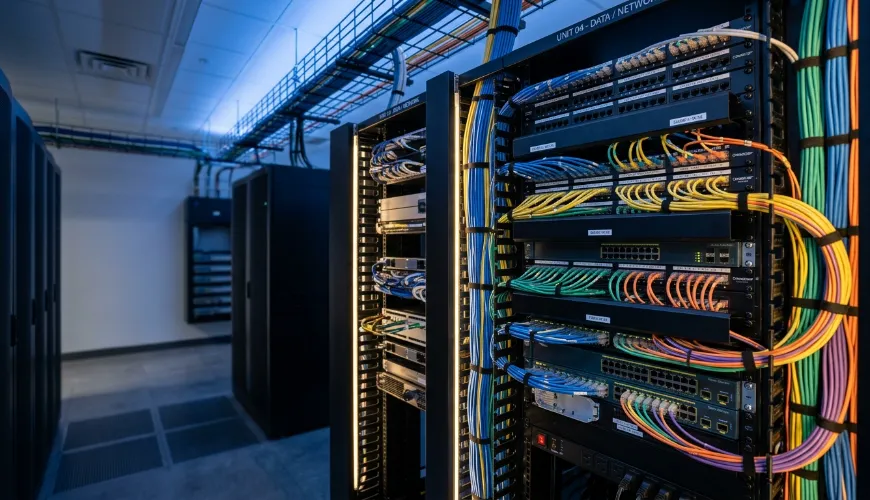
Moving into a new commercial space involves dozens of decisions, from lease negotiations to office layouts. Yet one critical element is often overlooked until it becomes a costly problem: low voltage infrastructure.
Whether your business relies on cloud applications, VoIP phones, security systems, wireless networks, access control, or video conferencing, the quality of the building's low voltage wiring directly impacts daily operations.
In the US, businesses across New Jersey and Pennsylvania frequently discover infrastructure limitations only after move-in. Existing cabling may be outdated, pathways may lack capacity, or network drops may not support current bandwidth requirements. Addressing these issues after occupancy often results in unexpected costs, project delays, and operational disruptions.
Understanding what to evaluate before signing a lease or beginning a buildout can help prevent these challenges.
What Is Low Voltage Wiring?
Low voltage wiring refers to cabling systems that carry data, communications, security, and control signals rather than standard electrical power.
When it comes to modern buildings and facilities, low voltage systems form the backbone of connectivity and security infrastructure. One of the most fundamental components is structured network cabling, which provides the organized framework that keeps everything running smoothly. This typically includes CAT5e and CAT6 cabling, which are the workhorses for most data transmission needs in offices and commercial spaces.
For higher bandwidth requirements and longer distance transmissions, fiber optic cabling has become increasingly essential. These systems work hand-in-hand with Voice over IP (VoIP) systems, which have largely replaced traditional phone lines in modern workplaces. Additionally, wireless access point connectivity ties into these wired networks to provide the seamless Wi-Fi coverage that everyone expects nowadays.
Security and building management rely heavily on low voltage infrastructure as well. Access control systems regulate who can enter different areas of a building, while fire alarm systems provide crucial life safety protection. These are often interconnected with other building systems for comprehensive monitoring and response.
Finally, there's the audio-visual and surveillance side of things. Audio and video systems handle everything from conference room presentations to public address announcements throughout a facility. Security and surveillance networks keep watch over premises with camera systems and monitoring equipment, all of which depend on that low voltage cabling infrastructure to function properly.
These systems form the backbone of modern business operations by supporting communication, connectivity, security, and productivity.
Why Low Voltage Infrastructure Matters Before Move-In
Many commercial spaces contain existing cabling from previous occupants. While this may appear beneficial, the infrastructure may not align with your organization's current requirements.
Potential issues include:
- Insufficient network speeds
- Limited cable pathway capacity
- Poorly documented cabling systems
- Aging or damaged cabling
- Inadequate fiber connectivity
- Poor network drop placement
- Limited telecom room capacity
Identifying these challenges before occupancy allows businesses to budget appropriately and incorporate upgrades into tenant improvement projects rather than addressing them under time-sensitive conditions later.
For businesses planning a relocation as part of their expansion, physical logistics deserve the same level of attention as IT infrastructure. Coordinating office equipment, furniture, and critical assets with a reliable provider specialising in moving cross country can help minimise downtime and ensure operations resume quickly in the new location. Aligning your moving schedule with infrastructure upgrades and workspace readiness creates a smoother transition while reducing the risk of costly delays and operational disruptions.

Questions Businesses Should Ask During a Site Evaluation
A low voltage assessment can provide valuable insight into the readiness of a commercial space.
Important questions include:
Where Does Carrier Service Enter the Building?
The main point of entry for internet and telecommunications services affects how easily providers can deliver service and how future upgrades can be implemented.
What Type of Cabling Is Currently Installed?
Businesses should determine whether existing infrastructure consists of:
- CAT5e
- CAT6
- CAT6A
- Fiber optic cabling
Different cable types support different bandwidth requirements and future growth plans.
Are Pathways and Conduits Available for Expansion?
Cable trays, conduits, and pathways should have sufficient capacity for future additions without requiring major reconstruction.
Are Existing Network Drops Located Correctly?
Current network outlet locations may not align with workstation layouts, conference rooms, manufacturing equipment, or collaborative workspaces.
Is Fiber Available Between Floors or Buildings?
Multi-floor facilities often require backbone fiber connectivity to maintain performance across departments and locations.
Benefits of Professional Low Voltage Wiring Services
Partnering with an experienced low voltage contractor during planning and occupancy can help businesses avoid costly surprises.
When you invest in quality structured cabling, you're setting your business up for improved network performance that makes a real difference in daily operations. Modern cabling infrastructure handles everything from cloud applications to video conferencing with the kind of reliability that keeps your team moving forward. Whether you're transferring large files or running business-critical systems, a solid foundation means fewer headaches and better results.
Nobody wants to deal with network issues that bring work to a grinding halt. That's where properly designed systems really shine-they're built to minimize those frustrating connectivity problems that can tank productivity and leave everyone staring at loading screens. Less downtime means your team can actually focus on what matters instead of waiting around for IT to fix yet another connection problem.
Here's something that often gets overlooked: a well-planned cabling system gives you scalability for future growth. As your business expands and you bring on more employees or add new technology, you won't need to tear everything apart for extensive rewiring projects. The infrastructure grows with you, which is exactly what you need in today's fast-moving business environment.
Professional installations also come with something that'll make your life much easier down the road-better documentation. We're talking proper labeling, thorough testing, certification reports, and detailed records of your entire infrastructure. When you need to make changes later (and you will), having all this information at your fingertips simplifies everything.
Let's talk about the bottom line for a second. Getting your cabling infrastructure right during initial construction or buildout delivers long-term cost savings that really add up. It's significantly cheaper to do things properly from the start than to retrofit everything later when the space is occupied and operational. Think of it as paying a little more upfront to avoid paying a lot more down the road.
Why Documentation Matters
One of the most overlooked aspects of low voltage infrastructure is documentation.
A professional installation should include:
- Cable test results
- Network drop maps
- Patch panel labeling
- Floor plans
- Fiber documentation
- Certification reports
Without proper documentation, troubleshooting and future expansions become significantly more difficult and expensive.
Industries That Benefit From Professional Low Voltage Wiring Services
Reliable low voltage infrastructure is essential across many industries.
| Industry | Description |
|---|---|
| Healthcare | Hospitals, medical offices, and laboratories require dependable network connectivity to support communications, patient systems, and operational efficiency. |
| Education | Schools and campuses rely on structured cabling and wireless connectivity to support classrooms, administrative offices, and learning technologies. |
| Manufacturing | Industrial facilities depend on network infrastructure for equipment connectivity, communications, and operational visibility. |
| Hospitality | Hotels and resorts require reliable guest Wi-Fi, communication systems, and network connectivity throughout the property. |
| Financial Services | Financial institutions rely on secure, high-performance infrastructure to support business continuity and operational efficiency. |
| Government Facilities | Government agencies require scalable, dependable network infrastructure that supports communication and operational requirements. |
The Value of Working With an Experienced Low Voltage Contractor
Low voltage systems influence nearly every aspect of modern business operations. Selecting a contractor with experience in structured cabling, fiber optics, voice and data systems, and network infrastructure can help ensure the system is designed correctly from the beginning.
An experienced contractor can assist with:
- Site surveys and infrastructure assessments
- Network cabling design
- Fiber optic installation
- Voice and data cabling
- Access control integration
- Fire alarm system cabling
- Testing and certification
- Ongoing infrastructure support
For businesses planning a new office, facility expansion, or commercial buildout, involving a low voltage specialist early in the process can reduce costs, improve performance, and support future growth.
Build a Stronger Infrastructure Foundation
Reliable connectivity starts with proper planning. Whether you're moving into a new facility, expanding operations, or evaluating an existing building, professional low voltage wiring services help ensure your infrastructure supports business performance today and future growth tomorrow.
For example, Network Drops has provided network cabling and infrastructure solutions throughout New Jersey and Pennsylvania since 1986. Their licensed and insured team delivers customized low voltage installations designed around your facility, operational requirements, and long-term technology goals.
FAQs
How early should low voltage wiring be planned during a commercial buildout?
Low voltage planning should begin during the design phase before walls and ceilings are completed. Early planning typically reduces installation costs and improves project coordination.
What is included in low voltage wiring services?
Services often include structured cabling, fiber optic installation, VoIP cabling, wireless network infrastructure, access control systems, fire alarm cabling, and testing.
How often should commercial cabling infrastructure be upgraded?
The timeline depends on business requirements, network demands, and existing infrastructure. Many organizations evaluate upgrades when expanding operations, relocating, or implementing new technology.
Can existing cabling be reused?
In some cases, existing cabling can remain in service if it meets current performance requirements and passes testing. A professional site assessment can determine suitability.