How Financial Operations Teams Can Improve Cross-Border Transaction Efficiency Through Better Digital Workflows
By SendBridge Team · Published Jun 29, 2026 · 5 min read · General
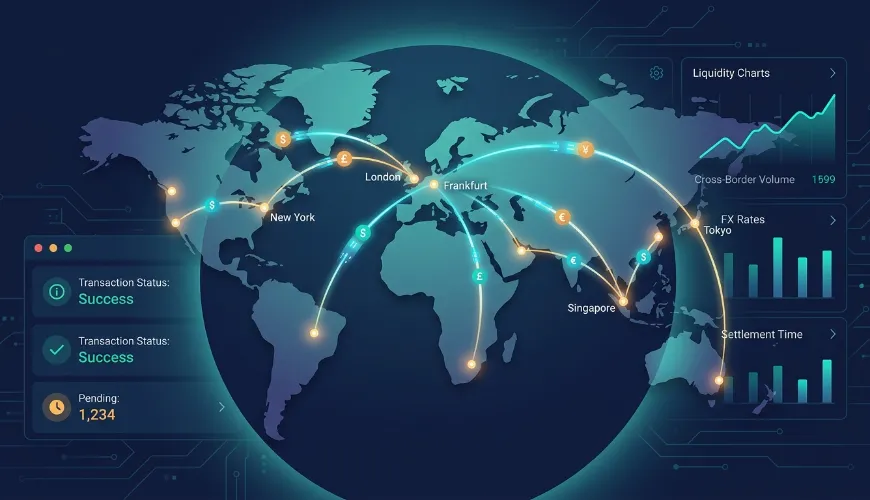
Cross-border payments still move slower than most finance leaders expect. A recent Spark study of cross-border payment messages sent through the SWIFT network found the average processing time was 27 hours, and only 64 percent arrived within 24 hours.
If your team manages payroll, supplier invoices, or intercompany transfers across regions, those delays translate into tied-up cash and constant status updates. However, better digital workflows can change that.
Standardize Data and Documentation Across Jurisdictions
Inconsistent data is one of the biggest hidden drains on cross-border efficiency. Different regions collect different tax IDs, beneficiary details, and compliance documents, which creates rework when fields do not match.
According to the 2024 progress update from the Financial Stability Board, improving transparency and standardization remains central to meeting global targets for faster and cheaper cross-border payments.
For financial operations teams, that starts with harmonized templates and centralized documentation libraries.
Consider building a single, structured intake workflow that requires consistent data before a payment request moves forward. Clear data standards reduce exception handling and shorten approval cycles across borders.
Also, it could be helpful to utilize the services of a specialist lawyer who works at both the local and global level.
For instance, a data privacy lawyer in the UK who operates in London and globally can assist with things like data protection agreements, data breaches, and regulatory responses across jurisdictions.
Automate Compliance Reviews With Embedded Controls
Manual compliance checks slow down even well-funded teams. Wholesale cross-border payments often involve multiple validation layers that delay settlement and tie up working capital, as noted by Deloitte.
Embedding compliance logic directly into your workflow changes the pace of operations. Sanctions screening, AML flags, and document verification can run automatically before a transaction reaches the treasury for release.
Modern digital workflows should include:
- Real-time sanctions and watchlist screening at the point of data entry
- Automated document validation tied to jurisdiction-specific rules
- Escalation paths that route only true exceptions to human reviewers
Structured oversight still matters, especially in complex deals involving multiple lenders, SPVs, or jurisdiction-specific financing requirements.
In those situations, companies often seek structured finance legal assistance to align documentation, regulatory obligations, and lender expectations before funds move.

Gain Real-Time Visibility Into Payment Status and Liquidity
Lack of visibility creates friction between finance, operations, and leadership. When a payment disappears into correspondent banking networks, teams resort to emails and spreadsheets to track status. Corporate treasuries need better tools to see where money sits.
Real-time dashboards that integrate bank APIs and ERP systems allow teams to:
- Monitor transaction status by corridor and counterparty
- Forecast liquidity impact across currencies
- Identify recurring delay points tied to specific banks or regions
Greater transparency reduces internal tension and supports smarter working-capital decisions. Faster answers mean fewer fire drills during month-end close.
Integrate Payment Systems With Core Finance Platforms
Disconnected systems create duplicate work. Payment instructions may live in one platform, compliance notes in another, and reconciliation data somewhere else entirely.
Finance teams should connect ERP, treasury management systems, and payment gateways through secure APIs. Automated data flows eliminate manual uploads and reduce the risk of mismatched fields.
Integrated workflows also improve audit readiness. When payment approvals, compliance checks, and settlement confirmations sit in one digital trail, preparing for regulatory review becomes far less disruptive.
Optimize Corridor Strategies Using Data Insights
Not all cross-border corridors perform the same. Time zones, intermediary banks, and local cut-off times can significantly affect speed and predictability.
Corridor dominance and automation levels influence how quickly funds arrive. If your team repeatedly experiences delays in a specific region, data can guide smarter routing decisions.
Digital workflows should capture structured metadata for every transaction. Over time, analytics can reveal which corridors require earlier cut-offs, additional buffers, or alternative settlement methods.
Proactive corridor management turns reactive troubleshooting into strategic planning. Finance teams move from asking what happened to deciding what should happen next.
Building a Workflow That Supports Speed and Control
Cross-border transaction delays are not just a banking issue. Workflow design inside your organization plays a major role in how quickly payments move from request to settlement.
Standardized data, embedded compliance, real-time visibility, integrated systems, and corridor analytics… They all contribute to stronger cross-border transaction efficiency.
Financial operations teams that treat digital workflow design as a strategic priority often see faster approvals, fewer exceptions, and better liquidity control.
If you're rethinking your global finance processes, consider reviewing how your current systems handle documentation, approvals, and oversight across jurisdictions. For complex financing structures or regulatory-heavy transactions, collaborate with legal professionals.
Has this article been useful? If so, be sure to take a moment to explore some of our other informative content!