A Repeatable Cyber Crisis Management Response Process Explained
By SendBridge Team · Published Aug 28, 2026 · 4 min read · General
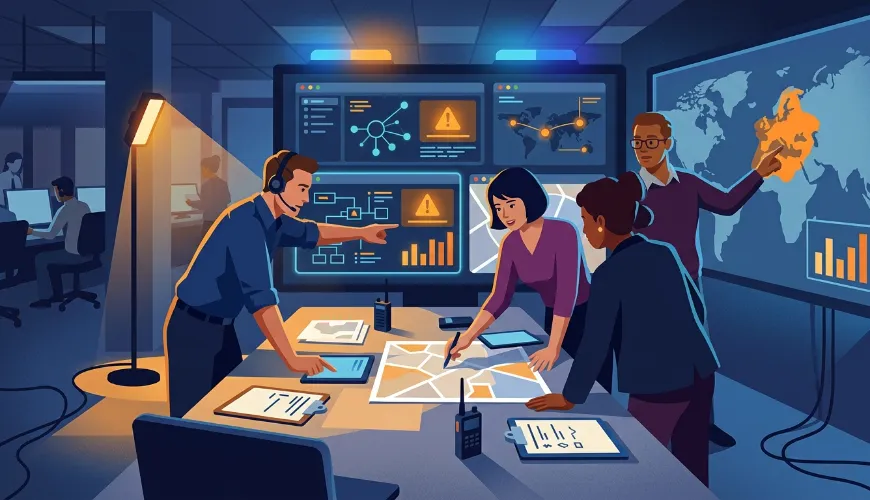
Cyber incidents test more than technical defenses. They challenge leadership, staff coordination, customer communication, legal judgment, and recovery discipline. A repeatable response process gives each group clear actions before pressure peaks. It also creates measurable checkpoints, helping organizations identify delays, assign ownership, and improve after every exercise.
The strongest programs treat crisis handling as an operating process, not an emergency improvisation. Preparation connects people, procedures, technology, communications, and evidence into one practical response rhythm daily. Here is how every organization can better prepare themselves for a cybercrisis.
Establish a Shared Foundation
Before an incident, leadership teams can review Ready1 cyber crisis management resources to see how structured preparation supports coordinated action. A useful process starts with a shared definition of severity, named decision rights, tested contact lists, and approved communication routes. Each element reduces uncertainty during the first hour, when incomplete facts can cause conflicting instructions. Regular rehearsals expose missing skills, stale documents, and unclear escalation paths before an actual disruption makes those gaps expensive quickly.
Define the Trigger
Every plan needs a practical trigger model. Severity levels should reflect business impact, affected identity systems, operational downtime, legal exposure, and public concern. Clear thresholds tell staff when local teams can act, when executives must join, and when outside specialists require notification. Trigger rules should appear in plain language, supported by examples. That approach limits debate, speeds escalation, and helps decision makers focus on containment rather than arguing about labels during a stressful event period.
Assign Responsibilities
Ownership should be visible before an alert arrives. A response chart can name the incident lead, technical leads, business representatives, communications contact, legal adviser, human resources partner, and external vendors. Each role needs authority, backup coverage, and a short list of first actions. Contact records require routine checks because staff changes and supplier turnover creates hidden gaps. Skill-based teams also help leaders add specialists without slowing the initial coordination effort during a crisis event.

Secure Communications
Cybersecurity impacts businesses severely and puts internal communications at risk. Hence, communication channels must work when normal systems become unreliable. Teams should preapprove secure messages, alternate contact methods, audience groups, and update intervals. A central bridge can connect technical responders, executives, partners, and affected departments without scattering decisions across email threads. Message templates should state known facts, current risks, assigned actions, and the next review time. Consistent updates reduce rumors, protect trust, and give leaders a shared record for later review after the incident ends.
Manage Information
Incident records should capture decisions, timestamps, tasks, evidence, approvals, and unresolved questions. A live log helps teams see what happened, who acted, and which items still need attention. Access controls should protect sensitive material while allowing authorized participants to find current guidance quickly. Version control matters because outdated instructions can send responders in the wrong direction. Accurate records support handoffs, regulatory reviews, insurance claims, and post-incident learning for everyone involved once normal operations resume.
Exercise and Measure
There are various types of web attacks. To take a proactive step against these attacks, tabletop exercises are important. These exercises turn written plans into observable behavior. Facilitators can present a realistic scenario, inject new facts, and watch how teams prioritize choices. Metrics should cover alert speed, attendance, decision time, message delivery, task completion, recovery milestones, and documentation quality. Findings need owners and deadlines, not vague promises. Repeating the exercise after changes confirms whether fixes worked. Over time, results show which controls deserve funding, training, or clearer executive attention during future response events.
Improve Continuously
After-action reviews should examine both technical results and human decisions. Leaders can compare intended steps with actual behavior, then separate policy flaws from training gaps or tool failures. Changes should enter a tracked improvement list with priority, owner, target date, and proof requirement. Governance meetings can review progress and retire obsolete guidance. This cycle keeps response material useful, strengthens accountability, and makes each rehearsal more valuable than the last one for the organization.
Building a Cyber Crisis Process That Actually Works
Cyber crisis management becomes repeatable when preparation, authority, communication, records, exercises, and improvement operate as one process. Clear triggers reduce hesitation, defined roles prevent duplication, and reliable updates support sound decisions. Measured rehearsals reveal weaknesses while incidents are still hypothetical. Afterward, disciplined reviews turn lessons into action. Organizations that maintain this rhythm can respond with greater control, recover essential services sooner, and provide stakeholders credible information throughout the disruption and its recovery without losing focus.