Importing a Purchased Contact List: Legal, Deliverability and Security Checks Before You Upload
By SendBridge Team · Published Oct 16, 2026 · 7 min read · Email List Cleaning

In the cutthroat arena of B2B marketing, buying a contact list can look like a tempting shortcut-an easy way to supercharge outreach and pad out the customer base fast. The idea of instant access to thousands of fresh leads is hard to resist, and plenty of businesses end up skipping the slower, organic route to list-building because of it. The trouble is, loading these contacts straight into your marketing platform without checking them first can land you in real trouble: legal headaches, weak email performance, and even data security gaps. If you want to actually benefit from a purchased list instead of getting burned by one, it pays to run things by the Crestline tech team first and have them walk through consulting with the Crestline tech team before anything gets uploaded.
Recent research backs this up-roughly a quarter of marketers lean on third-party lists to fill out their databases, but only about 30% of them bother vetting the data beforehand. That gap says a lot. It points to a real weakness in how these lists get handled and makes the case for a tighter, more deliberate review process before any purchased contacts go live.
So why does this due diligence matter so much? Purchased lists are usually stitched together from several different sources, which means the quality-and sometimes the legality-of the data can be all over the map. Skip the verification step, and you risk emailing people who never opted in, chasing dead addresses, or even reaching contacts whose information was compromised in a past breach. The fallout isn't just inconvenient-it can mean regulatory fines, a tarnished sender reputation, and eroded customer trust, all of which chip away at your marketing results and brand credibility over time.
Legal Compliance: Navigating the Regulatory Landscape
The foremost priority when importing a purchased list is ensuring compliance with data privacy and anti-spam laws. Globally, regulations such as the European Union's General Data Protection Regulation (GDPR), the United States' CAN-SPAM Act, and Canada's Anti-Spam Legislation (CASL) impose strict rules on how businesses can collect, store, and use personal data for marketing purposes.
A key legal requirement is that every contact in your list must have provided explicit consent to receive communications. This means that either the individual opted in directly with your organization or that the list provider obtained consent in a manner fully compliant with applicable laws. Simply purchasing a list does not transfer consent, and using contacts without proper permission can result in hefty fines and legal action. For example, GDPR violations can incur penalties up to €20 million or 4% of global annual turnover, whichever is higher.
To safeguard your business, it is essential to engage in Daystar's cybersecurity standards. This process involves verifying the provenance of the list, confirming the methods by which consent was collected, and ensuring documentation is available to demonstrate compliance. Taking these steps not only reduces legal risk but also strengthens relationships with recipients who expect responsible data handling.

Deliverability Checks: Protecting Your Sender Reputation
Even when a purchased list complies with legal requirements, poor list quality can cause significant deliverability problems. Invalid, inactive, or role-based email addresses inflate bounce rates, which negatively impact your sender reputation with Internet Service Providers (ISPs). A poor sender reputation reduces inbox placement rates, increases the likelihood of emails landing in spam folders, and can ultimately lead to blacklisting of your domain or IP address.
Industry data indicates that email campaigns with bounce rates exceeding 5% are 70% more likely to trigger spam filters. Moreover, emails sent to unengaged recipients can lower open and click-through rates, further harming campaign performance.
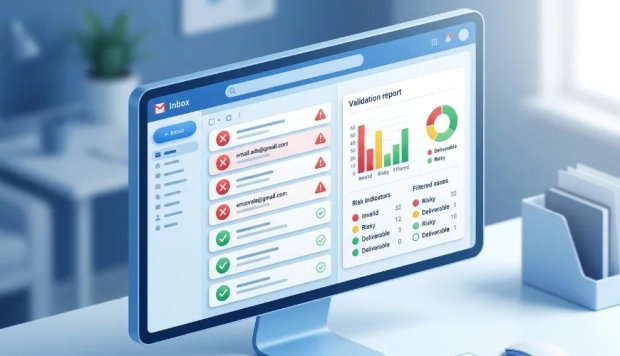
To mitigate these risks, it is critical to thoroughly clean and validate the purchased list before import. Employing advanced email verification services helps identify and remove invalid, duplicate, or role-based addresses. These tools also flag disposable or risky domains commonly associated with spam traps. Once cleaned, segmenting the list and sending emails in small batches allows marketers to "warm up" new contacts and monitor engagement metrics closely, reducing the chance of deliverability issues.
Security Considerations: Safeguarding Sensitive Information
Security is an often-overlooked yet vital aspect when working with purchased contact lists. These lists may contain sensitive personal information, including names, email addresses, phone numbers, and even job titles or company details. Importing data from unreliable or unknown sources can expose your systems to malware, phishing attacks, or other cybersecurity threats.
Furthermore, mishandling personal data can violate privacy regulations and damage customer trust. Data breaches not only incur regulatory fines but also create reputational harm that can be difficult to recover from.
To prevent such scenarios, organizations must implement rigorous security protocols during the data import process. This includes encrypting data both at rest and in transit, restricting access to authorized personnel only, and conducting regular audits of data handling procedures. A best practice is to adhere to , which ensures that your cybersecurity measures align with industry standards and regulatory requirements. Demonstrating this commitment to data protection reinforces trust with contacts and stakeholders alike.
Best Practices Before Uploading a Purchased Contact List
To systematically address the array of legal, deliverability, and security concerns, businesses should follow a comprehensive checklist before importing any purchased contact list:
-
Verify the source and consent: Confirm that the vendor obtained explicit consent from contacts and complies with all relevant data privacy laws. Request documentation or certification where possible.
-
Clean and validate the list: Use reputable email verification tools to identify invalid, duplicate, role-based, or risky addresses. Remove any suspicious entries to improve list quality.
-
Segment and warm up: Break the list into smaller segments and initiate outreach gradually. Monitor engagement metrics such as open rates, click-through rates, and bounce rates closely to identify issues early.
-
Implement strong security measures: Ensure that data is encrypted during transfer and storage. Limit access to the list to authorized personnel and conduct regular security audits.
-
Maintain thorough documentation: Keep records of consents, data sources, and processing activities to support compliance audits or investigations.
-
Monitor ongoing performance: After import, continuously track key metrics including spam complaints and unsubscribe rates, adapting strategies as needed to maintain deliverability and engagement.
The Cost of Neglecting Pre-Import Checks
Failing to perform these essential pre-import checks can have severe consequences. Financial penalties for non-compliance with regulations like GDPR can reach astronomical levels-up to €20 million or 4% of global turnover. Beyond fines, legal battles and public relations crises can drain resources and erode customer confidence.
Poor deliverability resulting from unchecked lists also reduces marketing ROI significantly. Industry studies estimate that companies lose roughly 20% of potential revenue due to undelivered or ignored emails. Moreover, a damaged sender reputation can take months to repair, stalling future campaigns and growth.
Security breaches stemming from negligent data handling can lead to identity theft, phishing attacks, and loss of proprietary information. In the digital age, consumers and partners expect businesses to uphold high standards of data protection-failing to do so risks long-term damage to brand equity.
Prioritize Due Diligence for Successful Email Marketing
Importing a purchased contact list can seem like a fast track to expanding your outreach and accelerating sales pipelines. However, without rigorous legal, deliverability, and security checks, this shortcut can quickly turn into a costly detour.
By engaging early in the process, businesses ensure they meet all regulatory requirements and respect recipient consent. Complementing this with thorough list cleaning and validation protects your sender reputation and enhances campaign performance. Lastly, adhering to safeguards sensitive data and demonstrates responsible stewardship.
Together, these precautions lay the foundation for successful, compliant, and secure email marketing campaigns. In today's data-driven environment, investing in due diligence is not just a best practice-it's an essential strategy for sustainable growth and trust in your brand.