Shared Sales and Info Mailboxes: The Access Problem Nobody Owns Until It Leaks
By SendBridge Team · Published Oct 16, 2026 · 7 min read · Technology
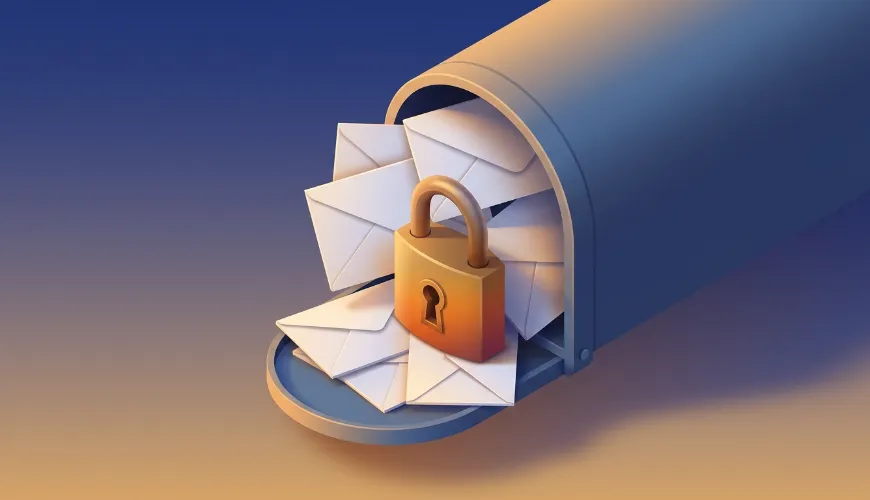
In many B2B organizations, shared sales and information mailboxes are a staple-used for managing customer inquiries, distributing leads, and coordinating internal communications. While they can improve responsiveness and streamline team collaboration, these shared mailboxes often come with a significant, yet overlooked, security challenge: unclear access ownership. This problem frequently remains invisible until a data leak or breach occurs, putting sensitive corporate and client information at risk.
Recent studies highlight the severity of email-related security issues. For instance, 94% of malware is delivered via email, emphasizing how crucial proper mailbox management is to cybersecurity strategies. The core dilemma is that nobody in the organization takes explicit ownership of controlling and securing these shared mailboxes, creating a blind spot in access management.
Addressing this issue requires expertise in IT governance and security protocols. Some organizations choose to hire Edgeworx Solutions to implement robust access controls and continuous monitoring. By leveraging managed IT services, firms can establish clear ownership models, enforce least-privilege principles, and automate audit trails for shared mailbox usage-reducing the risk of inadvertent leaks.
The challenge is compounded by the fact that shared mailboxes are often seen as "common property," used by multiple roles across sales, marketing, and customer service teams. This diffuse usage model leads to ambiguous responsibility, where IT departments may assume business units manage access, and vice versa. The lack of clear ownership means that permissions can become outdated or mismanaged without anyone realizing it until a serious incident occurs.
Organizations often underestimate how critical these mailboxes are to daily operations and security posture. Shared mailboxes may contain sensitive customer data, strategic sales information, or internal communications that, if leaked, could damage reputation and lead to regulatory penalties. A Ponemon Institute study found that the average cost of a data breach in 2023 was $4.45 million, highlighting the potential financial impact of inadequate access controls.

Why Shared Mailboxes Become Vulnerable
Unlike individual mailboxes tied to a single user identity, shared mailboxes often have multiple users with varying levels of access. Over time, as teams evolve or projects shift, access permissions may be granted liberally but rarely audited or revoked. This leads to "permission creep," where former employees, contractors, or third-party vendors retain access unnecessarily.
The consequences can be severe. Unauthorized users may inadvertently or maliciously expose confidential sales data, pricing information, or customer details. Additionally, without clear ownership, it becomes difficult to trace accountability when messages go missing or are altered. Companies may find themselves in compliance trouble, especially with data protection regulations like GDPR or CCPA, where strict control over personal data access is mandated.
Organizations should also adopt standardized access request workflows. Rather than granting permissions ad hoc, requests should be documented, approved, and logged. Integrating access management tools with identity and access management (IAM) systems can further enhance control, ensuring only authorized users gain entry.
Security training is another essential component. Employees must be aware of the risks associated with shared mailboxes and understand their responsibilities in handling sensitive communications. According to a recent report, 60% of data breaches involve insiders, highlighting the importance of ongoing education.
For companies lacking internal resources, partnering with a specialized provider can be invaluable. For example, entrusting mailbox governance to enkompas's team can help enforce best practices and provide rapid incident response capabilities, minimizing the potential impact of any access-related issues.
Best Practices for Managing Shared Mailbox Access
Establishing a secure and manageable shared mailbox environment starts with defining ownership. Assigning a dedicated mailbox administrator or team ensures that access rights are reviewed regularly and updated as needed. This role is critical to maintaining oversight and responding promptly to any suspicious activity.
Regular audits are also a critical practice. Scheduled reviews of mailbox permissions help identify "permission creep" and stale accounts. Automated tools can assist by flagging inactive users or unusual access patterns, enabling IT teams to take corrective actions swiftly.
Moreover, enforcing the principle of least privilege-granting users only the minimum access necessary to perform their roles-reduces the attack surface. For instance, some users may only require read access, while others need send-as or full control rights. Differentiating these access levels and managing them carefully limits potential misuse.
Technology Solutions and Automation
Modern email platforms offer several features that support secure shared mailbox management. Role-based access control (RBAC), multi-factor authentication (MFA), and audit logging are crucial tools that should be enabled and configured properly. Unfortunately, many organizations underutilize these functionalities due to lack of awareness or resource constraints.
Automation can also play a pivotal role. Automated alerts for unusual access patterns or bulk mail forwarding can signal potential breaches early. Additionally, periodic automatic reviews of mailbox permissions can identify and revoke stale access without manual intervention.
A layered security approach that combines technology, processes, and people is essential. Consider that 88% of organizations report improved security posture after implementing comprehensive access management solutions. This underscores the tangible benefits of investing in mailbox governance as part of broader cybersecurity frameworks.
Furthermore, integrating shared mailbox management into broader IT service management (ITSM) workflows can improve visibility and accountability. For example, linking mailbox access changes to ticketing systems ensures all modifications are tracked and approved. This integration also facilitates compliance reporting and forensic investigations.
Some organizations are exploring advanced solutions such as artificial intelligence (AI)-driven anomaly detection, which can identify suspicious access behavior in real time. These innovations add an extra layer of protection by proactively alerting security teams to potential threats before they escalate.
The Human Factor: Culture and Responsibility
Technical controls alone are insufficient without a culture of security awareness and responsibility. Encouraging employees to treat shared mailboxes with the same caution as personal accounts is vital. Clear policies that articulate acceptable use, data handling requirements, and consequences for violations help reinforce accountability.
Regular communication from leadership about the importance of mailbox security can also motivate adherence to best practices. For example, internal newsletters, training sessions, and simulated phishing exercises keep security top of mind.
Moreover, fostering collaboration between IT, legal, compliance, and business units ensures that mailbox governance aligns with organizational goals and regulatory demands. This cross-functional approach helps close gaps that might otherwise be exploited.
Ownership Is the First Line of Defense
The access problem inherent in shared sales and info mailboxes is a risk that often goes unaddressed until a leak forces action. With multiple users having varying levels of control, and no clear ownership established, organizations expose themselves to significant vulnerabilities.
By recognizing the importance of assigning mailbox ownership, implementing strict access controls, and leveraging expert partners when necessary, businesses can protect sensitive communications and maintain trust with their clients. Proactive management of shared mailboxes is not merely an operational detail-it is a critical component of modern B2B security strategy.
Addressing this issue early can prevent costly data breaches and regulatory fines, safeguard brand reputation, and improve overall organizational resilience. The question is not if shared mailbox access will become a problem, but when-and how prepared an organization will be to respond.
Taking ownership today means investing in processes, technology, and people to secure a vital communication asset before it becomes tomorrow's headline. The time to act is now.