Donor and Alumni Email Lists Carry Real Risk: Protecting Them at Nonprofits and Schools
By SendBridge Team · Published Oct 15, 2026 · 8 min read · Technology
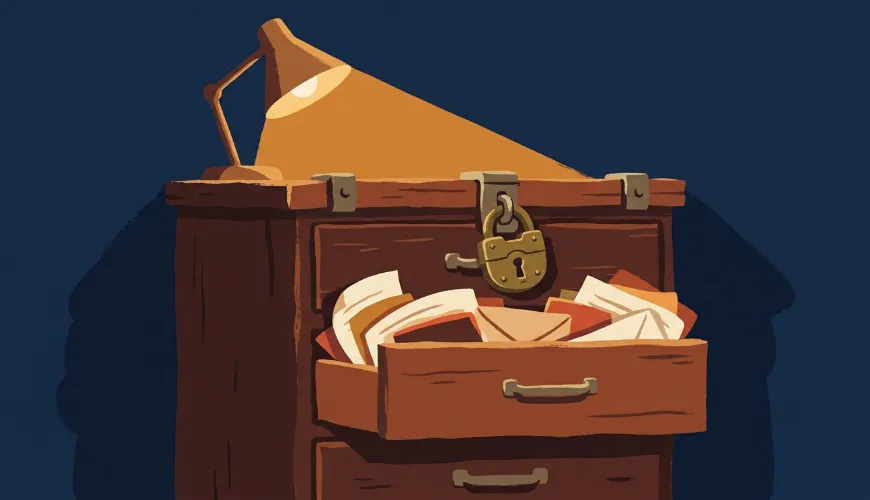
Nonprofits and educational institutions rely heavily on their donor and alumni email lists. These lists represent years of relationship building, fundraising efforts, and community engagement. Each email address is not just a contact but a gateway to significant financial support and advocacy for their mission. Maintaining the integrity of these lists is essential to sustaining ongoing support and fostering long-term relationships.
However, with this valuable asset comes a real risk that organizations must address proactively: the security and privacy of their email lists. Cybersecurity threats targeting nonprofits and schools have become increasingly sophisticated, and the consequences of a breach extend far beyond just the immediate loss of data.
According to the 2023 Data Breach Investigations Report by Verizon, 61% of data breaches involved credentials and access management failures, highlighting the vulnerability of email lists containing donor and alumni information. This statistic underscores the need for stringent security controls around these critical databases.
Moreover, research by the Nonprofit Technology Network (NTEN) found that 35% of nonprofits experienced a cybersecurity incident in the past two years, illustrating that no organization is immune. These incidents can disrupt operations, damage reputations, and erode donor trust, which nonprofits and schools can ill afford.

Understanding the Risks to Email Lists
Email lists in the nonprofit and educational sectors often contain personally identifiable information (PII), including names, addresses, donation histories, and sometimes financial details. This makes them prime targets for cybercriminals seeking to exploit the data for phishing campaigns, identity theft, or ransomware attacks. The exposure of such sensitive information can compromise not only individual donors and alumni but also the reputation and financial stability of the organization.
Phishing attacks targeting nonprofits have increased by 20% year-over-year, according to a report by the Anti-Phishing Working Group. When donor and alumni emails are compromised, attackers can impersonate trusted organizations to extract further donations fraudulently or spread malware to supporters.
Organizations must also contend with insider threats, which can be accidental or malicious. Employees or volunteers with access to email lists might inadvertently expose data through careless handling or be exploited by attackers themselves. A report from the Ponemon Institute found that 52% of data breaches in nonprofits were caused by insiders, emphasizing the importance of internal controls.
Additionally, regulatory compliance such as the General Data Protection Regulation (GDPR) in Europe and the California Consumer Privacy Act (CCPA) in the United States imposes strict requirements on how organizations handle personal data. Violations due to negligence in protecting email lists can result in hefty fines, legal challenges, and loss of public trust. Nonprofits and schools must therefore ensure that their data handling practices meet these evolving standards to avoid costly penalties.
Early Steps to Protect Donor and Alumni Email Lists
The first line of defense is understanding the specific risks associated with managing donor and alumni email lists. Organizations should begin with a thorough risk assessment to identify vulnerabilities in their current data management systems. This step often requires specialized knowledge, which is why consulting with experts at Charter Technology Solutions who specialize in securing sensitive data for nonprofits and educational institutions is highly recommended. These experts can conduct comprehensive assessments, identify security gaps, and recommend tailored cybersecurity solutions that align with the organization's unique needs.
Implementing multi-factor authentication (MFA) and encryption for email databases is crucial. MFA adds an extra layer of security by requiring multiple forms of verification before granting access, significantly reducing the risk of unauthorized entry. Encryption ensures that even if data is intercepted or stolen, it remains unreadable and unusable by attackers.
In addition, organizations should establish strict password policies, including the use of complex passwords and regular changes. Automated password management tools can assist in maintaining strong credential hygiene across staff accounts.
Strengthening Security Through Employee Training and Policies
Technology alone cannot fully protect donor and alumni email lists without the support of well-informed staff. Human error is a leading cause of data breaches, often through falling victim to phishing scams or mishandling sensitive information. Therefore, regular cybersecurity awareness training is essential for all employees who have access to donor and alumni data.
Training programs should focus on recognizing phishing attempts, safe email practices, and proper data handling procedures. Employees must also be educated on the importance of strong password management and the risks of sharing credentials.
In addition, organizations should develop clear policies around data access and retention. Access to donor and alumni information must be restricted on a need-to-know basis, minimizing the number of individuals who can view or modify sensitive data. Routine audits and penetration testing can further identify weaknesses before they are exploited.
It is also advisable to conduct simulated phishing exercises to test employee readiness and reinforce training lessons. These exercises help identify vulnerabilities in human defenses and provide targeted coaching.
The Role of Managed IT Services in Protecting Email Lists
Many nonprofits and schools lack the internal IT resources to manage the complex and ever-changing landscape of cybersecurity effectively. Partnering with a trusted IT provider like Citadel Blue can provide continuous monitoring, threat detection, and rapid incident response, which are often beyond the capacity of in-house teams.
Managed IT providers bring expertise in deploying advanced security technologies and ensuring compliance with data protection regulations. They offer scalable solutions that grow with the organization, adapting to evolving cyber threats and regulatory requirements.
Statistics show that organizations utilizing managed security services reduce the likelihood of a breach by up to 40%, according to a study by Ponemon Institute. This proactive approach not only safeguards donor and alumni data but also preserves organizational credibility and donor confidence, which are vital for long-term success.
Furthermore, managed service providers can assist with backup and disaster recovery planning, ensuring that critical data can be restored quickly in the event of an incident, minimizing downtime and disruption.
Best Practices Beyond Technology
While technology and external expertise are vital, nonprofits and schools should adopt a holistic security mindset that encompasses people, processes, and technology. Some best practices include:
- Regular software updates and patch management: Keeping all systems and applications up to date closes known vulnerabilities that attackers exploit.
- Data minimization: Collect only the necessary information and limit how long it is stored.
- Data segmentation: Separate donor and alumni data from other systems to reduce the impact of a breach.
- Clear data retention and destruction policies: Define how long data is kept and ensure secure deletion once it is no longer needed.
- Incident response planning: Develop and regularly update a plan to respond quickly and effectively to data breaches or cyberattacks.
- Transparency with donors and alumni: Communicate openly about how their data is protected, reinforcing trust and demonstrating the organization's commitment to privacy.
Conducting regular risk assessments and security audits also helps organizations stay ahead of emerging threats and adapt their defenses accordingly.
The Importance of Building a Culture of Security
Beyond policies and technology, fostering a culture of security within the organization is critical. Leadership should prioritize cybersecurity as a strategic imperative, allocating sufficient resources and emphasizing its importance in all operations.
Regularly engaging staff through training, updates, and open communication encourages vigilance and accountability. Recognizing and rewarding good security practices can motivate employees to take ownership of protecting donor and alumni information.
Nonprofits and schools should also consider involving board members in cybersecurity discussions to ensure governance oversight and alignment with organizational goals.
Embedding security considerations into every aspect of the organization's operations - from fundraising campaigns to alumni communications - helps create an environment where data protection is everyone's responsibility.
Protecting Your Most Valuable Data Asset
Donor and alumni email lists are invaluable resources that power fundraising and community engagement at nonprofits and schools. However, these lists carry inherent risks that must be managed proactively. By leveraging the expertise of , collaborating with a, and adopting robust cybersecurity practices, organizations can protect their vital data assets.
In an environment where cyber threats grow increasingly sophisticated, safeguarding donor and alumni information is not merely an IT issue but a strategic imperative. Taking comprehensive steps ensures that nonprofits and educational institutions can continue their missions securely and maintain the trust of their communities. Protecting these valuable lists preserves not only data but also the relationships and goodwill essential to the organization's success.
By investing in people, processes, and technology, nonprofits and schools can build resilience against cyber threats and secure the future of their vital work.