Why AI Image Generators Are Changing the Way Brands Test Visual Hooks
By SendBridge Team · Published Jun 07, 2026 · 8 min read · Marketing
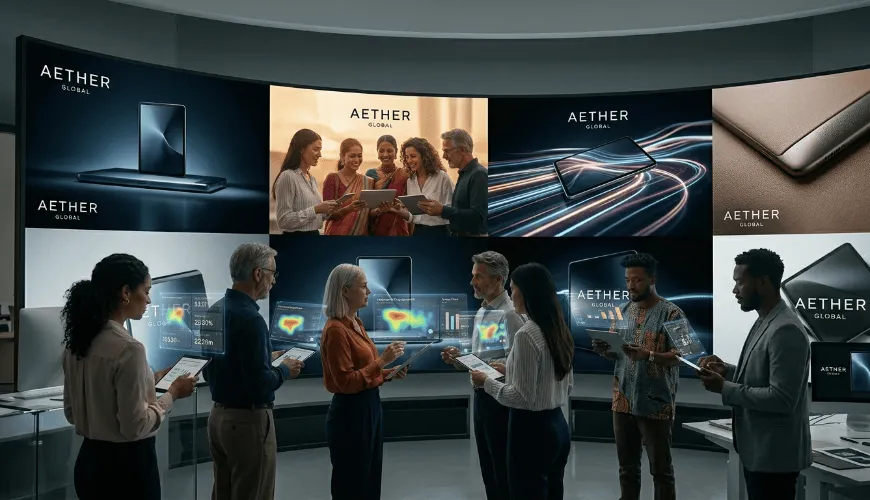
The first few seconds of a campaign matter more than ever. People scroll through content extremely fast on Instagram, TikTok, Facebook, YouTube Shorts, and ecommerce platforms. Before users read a headline or check product details, they react to the visual first. That first impression usually decides whether someone keeps scrolling or pays attention. This is why brands focus heavily on visual hooks today.
A visual hook is the part of the creative that grabs attention immediately. Sometimes it is a bold color combination. Sometimes it is dramatic lighting, unusual styling, emotional facial expressions, or a unique background that makes the content stand out.
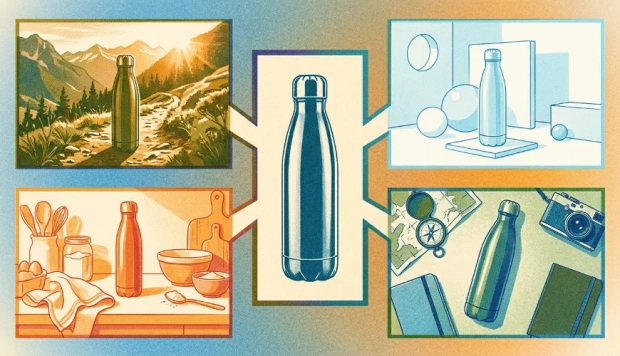
Modern marketing teams constantly test these elements because even small visual changes can affect campaign performance. A different product angle may improve click-through rates. A brighter background may increase engagement. A lifestyle-focused visual may perform better than a clean studio setup.
The challenge is that traditional creative testing takes time. Most teams cannot afford long production cycles every time they want to test new visual concepts. This is one reason why platforms like Higgsfield are becoming more valuable for modern brands. An ai image generator allows teams to create and test visual hooks much faster without rebuilding campaigns manually from the beginning.
Creative testing is no longer limited to brands with huge production budgets. AI-assisted workflows now help businesses experiment with visual styles at a much larger scale.
Why do visual hooks matter so much in digital campaigns?
Digital platforms have become extremely competitive. Every day, people consume massive amounts of content across social media, ecommerce stores, streaming platforms, and mobile apps. Brands compete for attention against thousands of other posts and advertisements.
Because of this, the visual presentation of a campaign becomes extremely important. People make fast decisions online. If the visual does not attract attention immediately, the audience usually keeps scrolling without interacting further.
This is why brands constantly test thumbnails, ad creatives, product imagery, landing page banners, and social media visuals. Even small changes can create major performance differences. Many marketing teams also use an AI flyer generator and other AI-powered design tools to quickly generate promotional visuals, campaign flyers, and branded creative assets for testing different audience reactions before launching large-scale campaigns.
For example, a fashion brand may discover that street-style photography performs better than studio visuals for younger audiences. A skincare company may learn that soft natural lighting increases engagement more than heavily edited product images.
These small creative insights can directly influence campaign performance. Visual hooks shape emotional responses before users even process the actual marketing message. That makes visual testing one of the most important parts of digital advertising today.
Why are traditional creative testing workflows becoming difficult?
Testing creative concepts manually takes a lot of time and coordination. Most marketing teams begin with one campaign direction. After the initial version gets approved, designers create additional variations for testing. Then the process repeats again through revisions, resizing requests, export formatting, and stakeholder feedback.
This workflow becomes difficult when brands want to test several creative ideas simultaneously. A company may want to compare minimal visuals against bold lifestyle imagery. They may test luxury presentations versus casual styling. They may also want different variations for different audience groups and platforms.
Producing all these assets manually requires significant creative effort. Design teams often become overloaded during major campaigns because every variation needs editing and approval. As deadlines get tighter, marketers usually reduce the number of concepts they test. You can avoid this bottleneck by incorporating Icons8 Ouch to quickly generate high-quality, customizable illustrations that keep your visual assets consistent without requiring manual design work from scratch.
That limits creative experimentation. This is one reason why many businesses now rely on Higgsfield to improve campaign testing through an AI image generator workflow that supports faster content production.
How does an AI image generator improve visual experimentation?
An ai image generator helps brands test creative ideas much faster than traditional workflows. Instead of manually redesigning every campaign variation, teams can quickly experiment with different visual directions, backgrounds, styles, moods, and compositions.
Higgsfield allows marketers to create multiple creative concepts without extending production timelines for weeks.
For example, an ecommerce brand selling watches may want to compare luxury-inspired visuals against casual lifestyle imagery. A travel company may test tropical vacation aesthetics against premium urban experiences.
Traditionally, these experiments would require separate production shoots and long editing processes. Now teams can create several visual directions within much shorter timeframes.
This flexibility gives marketers more opportunities to identify which visual hooks actually connect with their audience. Instead of depending on assumptions, brands can make creative decisions based on performance data and audience response.
Why are brands testing more visual variations today?
Audience behavior changes constantly online. What performs well this month may stop working a few weeks later. Trends on social media move quickly, and consumer attention shifts faster than before.
Because of this, brands no longer rely on one creative direction for every campaign. They continuously test different visual hooks to understand what attracts attention most effectively.
For example, a beauty brand may test:
- Minimal product-focused visuals
- Bright lifestyle photography
- Luxury-inspired campaign styling
- User-generated style creatives
- Editorial-style compositions
Each visual direction creates a different emotional response. Even when the product stays exactly the same, audience engagement can change dramatically depending on how the campaign looks.
Higgsfield helps businesses create these variations faster through an ai image generator system designed for scalable creative experimentation. That flexibility helps brands improve campaign performance without slowing production schedules.
Why are ecommerce companies using AI-generated visuals more often?
Ecommerce brands constantly need fresh creative assets. They create product banners, social media ads, promotional graphics, email campaign visuals, marketplace content, and seasonal sales creatives throughout the year.
At the same time, online shopping behavior changes quickly depending on trends, seasons, and audience preferences. A product style that performs well during one campaign may feel outdated during the next promotion.
This creates constant pressure for creative teams. Higgsfield helps ecommerce businesses produce visual variations faster while keeping campaigns visually consistent across platforms.
An ai image generator allows brands to test multiple campaign directions without rebuilding every asset manually.
For example, a furniture company may compare minimalist interiors against luxury home environments to understand which visual style drives stronger engagement.
Fashion brands may test streetwear-inspired campaigns against premium editorial aesthetics. The ability to create and compare these visuals faster helps ecommerce teams optimize campaigns more efficiently.
How are social media teams using AI-generated visual hooks?
Social media rewards speed and experimentation. Brands constantly compete for attention while trends change almost daily. Content that feels fresh today may feel outdated next week.
Because of this, social teams need the ability to test creative ideas quickly.
Higgsfield helps marketers experiment with different visual styles across Instagram, TikTok, and other social platforms without long production delays. An ai image generator allows teams to test lighting styles, compositions, product presentation, and campaign moods much faster.
This becomes especially useful during product launches, seasonal campaigns, influencer collaborations, and viral trends. Brands can quickly identify which visual hooks create stronger engagement before scaling campaigns further. That speed helps businesses stay competitive across crowded digital platforms where audience attention changes constantly.
Why are AI image generators becoming important for modern marketing teams?
Modern marketing is heavily dependent on the ability to test and adapt. Companies no longer can launch one imaginative marketing campaign expecting it to work consistently across all channels. They continually analyze their audience's behavior and test new ideas and improve their visuals in accordance with engagement patterns. This need for agility is exactly why Moindes Limited builds performance marketing systems that adapt to market shifts through continuous testing and real-time data analysis.
Traditional workflows are often not able to support this level of experimentation in a timely manner.
That's why more and more businesses depend on Higgsfield and similar platforms for creative work to enhance the visually-based testing processes. Ai image generator can help marketers create, analyze and refine visual hooks faster, while ensuring quality and uniformity.
As the competition for digital advertising continues to increase across advertising, ecommerce as well as social networks, businesses require systems that allow for continual creative experimentation, without slowing the production timelines.
Companies that enhance the quality of their visual tests now will enhance engagement and campaign performance in the coming years in the years to come.